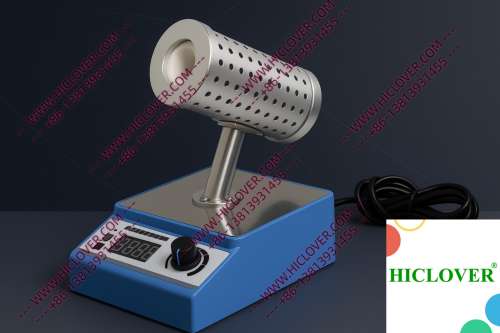
In the fast-paced world of laboratory research and clinical diagnostics, maintaining a safe environment is paramount. With rising biosafety challenges necessitating compliance with strict sterilization protocols, the demand for efficient and reliable laboratory sterilization equipment has only escalated. Among the innovative solutions addressing these challenges is the Micro Incinerator (also known as an Infrared Inoculating Loop Sterilizer), a device that provides rapid thermal sterilization through advanced infrared heating technology.
Understanding the Technical Principles of Micro Incinerators
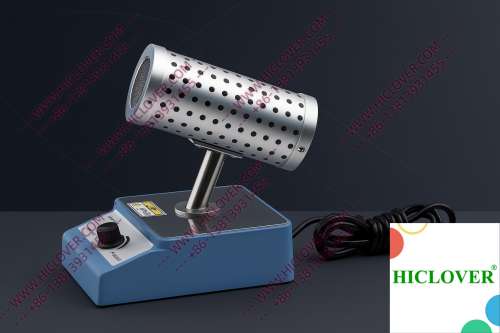
The fundamental operation of a Micro Incinerator revolves around its ceramic heating chamber, which generates high temperatures without the risks associated with open flames. Unlike traditional sterilization methods such as alcohol lamps and Bunsen burners, the infrared technology employed in micro incinerators enables precise temperature control that is both efficient and safe. These devices typically feature an enclosed structure that minimizes the risk of aerosol generation, ensuring a clean and contamination-free work environment.
Applications of Micro Incinerators in Laboratory Settings
The versatility of Micro Incinerators allows their use in various laboratory settings. For instance:
- Biosafety Cabinets: In BSL-2 and BSL-3 laboratory environments, Micro Incinerators can be safely integrated into biosafety cabinets to facilitate the sterilization of inoculating loops without risking exposure to aerosols or flame.
- Field Testing Laboratories: Particularly in mobile field laboratories where operational tools and methodologies need to be portable and effective, Micro Incinerators provide a reliable sterilization solution, ensuring that researchers can adhere to best practices even outside conventional lab settings.
- University Teaching Labs: Academic institutions leverage these devices to integrate hands-on sterilization processes into their curricula, allowing students to familiarize themselves with both the technology and compliance standards necessary for modern laboratory practice.
- What are the key benefits of using a Micro Incinerator for sterilization?
The Micro Incinerator offers several advantages, including superior safety with flame-free operation, rapid thermal sterilization, precise temperature control, and reduced risk of aerosol generation.
- Can Micro Incinerators be used in BSL-3 laboratories?
Yes, Micro Incinerators are compliant with biosafety standards applicable in BSL-3 laboratory environments, ensuring safe and effective sterilization practices.
- Are there any specific maintenance requirements for Micro Incinerators?
Regular cleaning of the ceramic heating chamber and routine checks for electrical integrity are recommended to ensure optimal performance and longevity.
- How do Micro Incinerators contribute to environmental sustainability in laboratories?
By eliminating open flames and minimizing aerosol generation, Micro Incinerators help maintain critical sterility levels while reducing the potential for environmental contamination.
- Where can I purchase Micro Incinerators in Suzhou?
High-quality Micro Incinerators can be sourced from laboratory supply distributors or directly from manufacturers specializing in laboratory sterilization equipment in Suzhou.
Compliance and Environmental Considerations
Complying with global biosafety standards is crucial within any laboratory environment. The World Health Organization (WHO) has established stringent guidelines regarding laboratory sterilization practices to mitigate contamination risks. Micro Incinerators align with these standards by eliminating the use of open flames, making them suitable for cleanroom operations where aerosol generation must be rigorously controlled. This compliance aspect is vital in ensuring safety across varying laboratory environments—from clinical diagnostics in hospitals in Suzhou to research institutions worldwide.
Advantages of Micro Incinerators Compared to Traditional Flame Sterilizers
When considering sterilization equipment, comparing Micro Incinerators to traditional flame sterilizers (such as alcohol lamps and Bunsen burners) unveils several advantages:
| Feature | Micro Incinerator | Flame Sterilizer |
|---|---|---|
| Safety | Flame-free operation reduces fire risks. | Open flame poses significant fire hazards. |
| Temperature Control | Rapid and precise thermal sterilization. | Manual and inconsistent heat application. |
| Portability | Compact design for diverse lab settings. | Requires stable surfaces; less portable. |
| Aerosol Generation | No aerosol risk during operation. | Aerosols inevitably produced with flame exposure. |
Frequently Asked Questions
Conclusion: Enhance Your Lab’s Sterilization Process Today
With the increasing complexities of laboratory sterilization demands, Micro Incinerators present a robust solution for modern laboratories. Their operational safety, compliance with global biosafety standards, and versatility across various applications make them an essential component in laboratory sterilization workflows. If you’re interested in enhancing your sterilization processes within your laboratory environment in Suzhou or beyond, consider investing in a Micro Incinerator. Contact us today to learn more about our selection of cutting-edge sterilization equipment tailored for your needs.
Categories:
Tags: