
Laboratory biosafety remains one of the foremost challenges in contemporary scientific settings. For laboratories operating under BSL-2 or BSL-3 standards, the need for reliable sterilization equipment is pronounced, especially when handling infectious agents. In this context, Micro Incinerators and Infrared Inoculating Loop Sterilizers have risen to prominence due to their efficiency, safety, and compliance with stringent regulatory requirements.
Understanding the Micro Incinerator and Its Technical Principles
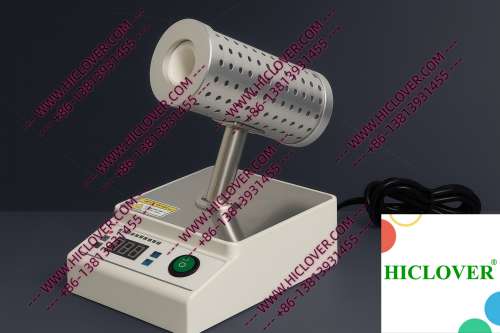
The Micro Incinerator utilizes advanced infrared heating technology that provides rapid thermal sterilization without the risks associated with traditional flame sterilizers, such as alcohol lamps or Bunsen burners. These devices employ an enclosed ceramic heating chamber to generate high temperatures, effectively eliminating bacteria and other pathogens from inoculating loops and other laboratory instruments.
The design minimizes the risk of contamination by ensuring the operator maintains a safe distance from the heat source. The high-temperature disinfection achieved by these units is crucial in clean rooms where aerosols can pose a significant risk, thus ensuring a clean and sterile environment for sensitive laboratory operations.
Applications of Micro Incinerators in Modern Laboratories
Micro Incinerators have found diverse applications across various laboratory settings. Here are two notable scenarios:
- Biosafety Cabinets: In BSL-2 and BSL-3 laboratories, Micro Incinerators are frequently integrated within biosafety cabinets. They allow for the secure sterilization of inoculating loops and other tools without compromising the sterile environment of the cabinet.
- Teaching Labs: University laboratories utilize these sterilizers for microbiology education. Students gain hands-on experience with sterilization techniques that meet stringent biosafety requirements, preparing them for real-world applications.
Compliance with Biosafety Standards
Compliance with laboratory sterilization standards is non-negotiable in settings handling potentially hazardous biological material. The WHO provides guidelines which emphasize the necessity of maintaining stringent biosafety protocols to prevent contamination and spread of pathogens. In clean rooms, the use of non-flame sterilization tools, such as Micro Incinerators, aligns with these guidelines, ensuring aerosol-free handling during experiments and manipulations.
Advantages Versus Traditional Flame Sterilizers
| Feature | Micro Incinerator | Flame Burners |
|---|---|---|
| Safety | Non-flame, reducing fire hazards | Open flame, increasing risk of burns or accidents |
| Efficiency | Rapid thermal sterilization | Variable time and temperature control |
| Contamination Control | Minimized aerosol generation | Potential for aerosol dispersal |
| Ease of Use | User-friendly design with limited manual adjustments | Requires careful handling and skill level |
Cost Considerations for Laboratory Sterilization Equipment in Wuxi
When evaluating sterilization equipment such as Micro Incinerators for laboratories in Wuxi, understanding the cost structure is vital. Factors contributing to the price include the technical specifications, compliance with regulatory standards, and the durability of the equipment. Compared to traditional flame sterilizers, which may incur additional costs related to maintenance and safety compliance, Micro Incinerators offer a clear advantage through their efficiency and long-term operational savings.
Frequently Asked Questions
- What is the primary benefit of using a Micro Incinerator over a traditional flame sterilizer?
The primary advantage is enhanced safety, as Micro Incinerators eliminate the risks associated with open flames and provide reliable rapid thermal sterilization.
- Can Micro Incinerators be used in field testing labs?
Yes, due to their portable design and ability to operate without a flame, Micro Incinerators are ideal for use in mobile testing environments.
- How do Micro Incinerators contribute to biosafety compliance?
They meet WHO biosafety recommendations by minimizing aerosol generation and ensuring effective sterilization, making them suitable for BSL applications.
- What is the typical lifespan of a Micro Incinerator?
Properly maintained Micro Incinerators can last several years, providing reliable performance throughout their operational life.
- Are there any specific training requirements for using a Micro Incinerator?
While no extensive training is needed, users should familiarize themselves with safety protocols and operating procedures to maximize efficacy.
Conclusion: Investing in Modern Sterilization Solutions
As laboratories in Wuxi and beyond increasingly prioritize biosafety, the adoption of advanced sterilization equipment like Micro Incinerators becomes a strategic investment. The advantages offered over traditional flame sterilizers not only enhance safety and efficiency but also ensure compliance with ever-evolving health standards. If you’re ready to upgrade your sterilization solutions, contact us today to discuss purchasing options tailored to your specific laboratory needs.
Categories:
Tags: