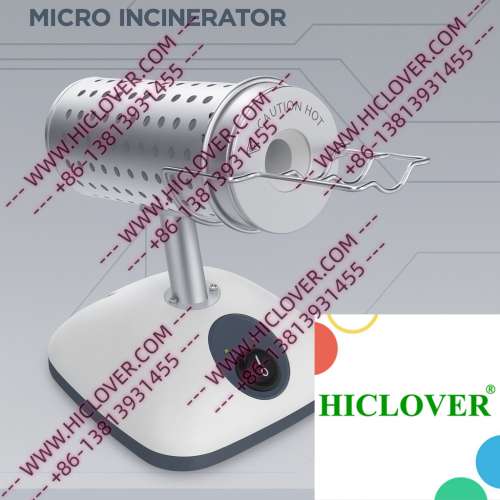
In the ever-evolving landscape of laboratory practices in Hefei hospitals, biosafety challenges are at the forefront of laboratory operations. The demand for effective sterilization protocols is critical in ensuring contamination control within clinical diagnostics, BSL-2, and BSL-3 microbiology labs. As research centers and educational institutions focus on increasing their operational efficiency, the use of laboratory sterilization equipment, especially the Micro Incinerator and Infrared Inoculating Loop Sterilizer, has gained substantial traction.
The Challenges of Conventional Sterilization
Traditional flame sterilizers, such as alcohol lamps and Bunsen burners, although widely used, pose several challenges. The risk of flame-related accidents, aerosol generation, and the need for extensive safety measures make these options less favorable in contemporary labs. Additionally, the variability in flame intensity can lead to inconsistent sterilization results. With the introduction of infrared sterilization technology, a modern solution emerges, addressing both these safety concerns and operational demands.
Technical Principles of Infrared Sterilization
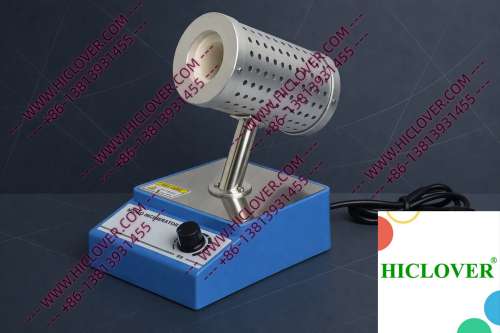
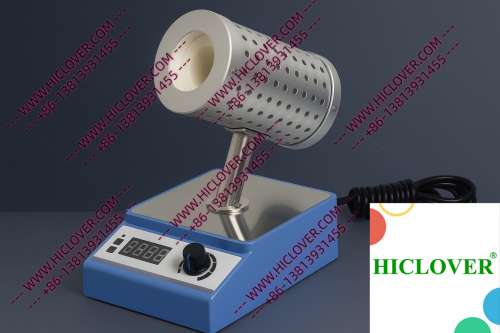
The Micro Incinerator utilizes infrared heat to ensure rapid thermal sterilization, effectively neutralizing microorganisms within seconds. At its core is an enclosed ceramic heating chamber that allows for precise temperature control. This system operates by emitting focused infrared rays, which heat the inoculating loop evenly, providing a reliable and safe sterilization method.
- Rapid Thermal Sterilization: Bacterial or fungal cells are destroyed almost instantly.
- Aerosol-Free Handling: Unlike traditional methods, it minimizes bio-aerosol generation.
- Clean-Bench-Safe: Perfect for use in cleanrooms and biosafety cabinets.
Innovative Applications in Laboratories
As Hefei’s scientific and educational laboratories modernize, the Micro Incinerator finds multiple applications. Here are two specific scenarios where this technology significantly enhances laboratory workflow:
1. Biosafety Cabinets
Within biosafety cabinets, where sterile conditions are imperative, the Micro Incinerator serves as a reliable sterilization tool. Researchers can safely sterilize inoculating loops without the risk of open flames, which could disrupt the laminar airflow. This not only ensures a sterile work environment but also enhances the productivity of lab personnel.
2. Teaching Labs
In university teaching labs, the use of an Infrared Inoculating Loop Sterilizer encourages safe practices among students. With its easy-to-use interface, it allows students to engage in practical experiments without the inherent risks associated with flame sterilizers. This innovative approach to sterilization cultivates a culture of safety and compliance.
Compliance with Safety Standards
In adhering to global biosafety standards, such as those outlined by the World Health Organization (WHO), the importance of employing non-flame sterilization techniques cannot be overstated. Many labs are now required to maintain environments free from flames to protect sensitive equipment and personnel. The Micro Incinerator complies with all relevant sterilization standards, ensuring safe and effective operation in cleanroom and laboratory environments.
Micro Incinerator vs. Traditional Flame Sterilizers
| Feature | Micro Incinerator | Flame Sterilizers |
|---|---|---|
| Safety | Enclosed system reduces risk of burns and bio-aerosols | Open flame increases risk of accidents |
| Efficiency | Instant sterilization in seconds | Variable flame intensity affects consistency |
| Portability | Compact and flexible for lab and field use | Bulkier and harder to transport |
FAQs About Micro Incinerators
1. What is the operational lifespan of the Micro Incinerator?
The Micro Incinerator is designed for durability, potentially lasting several years with proper maintenance.
2. Can the Micro Incinerator be used in a mobile lab setting?
Yes, its compact design makes it ideal for mobile or field testing labs where portability is essential.
3. How do I maintain the Micro Incinerator?
Regular cleaning of the ceramic heating chamber and periodic checks of electrical components ensure optimal performance.
4. Is it suitable for BSL-3 lab applications?
Absolutely! The Micro Incinerator meets stringent safety requirements for BSL-3 laboratories.
5. Are there different models available?
Yes, various model configurations cater to diverse laboratory needs, including varying temperature ranges and sizes.
Conclusion: The Future of Sterilization in Hefei Labs
As laboratories continue to prioritize safety and efficiency, the Micro Incinerator is at the forefront of that evolution. With its innovative design and compliance with biosafety standards, it provides an unmatched alternative to traditional sterilization methods. For laboratories in Hefei seeking to revolutionize their sterilization processes, investing in the Micro Incinerator will undoubtedly enhance laboratory biosafety and operational efficiency. Reach out today to explore our selection of cutting-edge sterilization solutions!
Categories:
Tags: