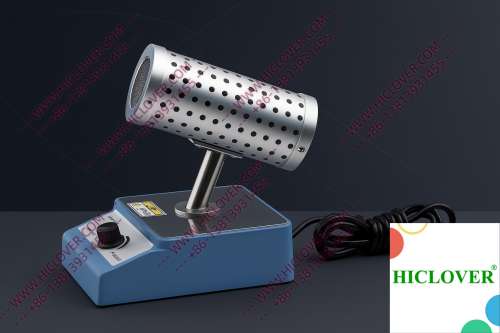
In the realm of laboratory diagnostics and biosafety, the challenges of effective sterilization remain paramount. For hospitals and research facilities in Medan, Indonesia, ensuring that laboratory environments are free from contamination is critical. The need for reliable sterilization equipment such as the Micro Incinerator / Infrared Inoculating Loop Sterilizer has become increasingly vital to support workflows, particularly in microbiological and clinical diagnostics.
The Technical Principle Behind Infrared Loop Sterilizers
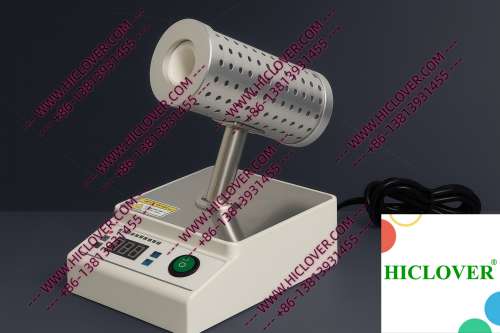
Micro Incinerators utilize advanced infrared heat technology for rapid thermal sterilization of inoculating loops, needles, and other small laboratory tools. This equipment operates through a ceramic heating chamber which achieves high temperatures quickly—typically between 800°C to 1000°C. The enclosed design eliminates the risks associated with open flame sources such as alcohol lamps and Bunsen burners, making it a safer, clean-bench-safe alternative.
In comparison to traditional flame sterilizers, infrared sterilizers deliver faster heat-up times and more precise temperature control. This not only improves efficiency but also minimizes the risks of heat-related damage to sensitive equipment or materials within the laboratory environment.
Compliance with Biosafety Standards
For laboratories operating at BSL-2 and BSL-3 levels, stringent adherence to biosafety guidelines is non-negotiable. WHO biosafety recommendations and laboratory sterilization standards require strict controls over contamination. The absence of open flames is particularly important in clean rooms, where aerosols and particulates can compromise sterile environments.
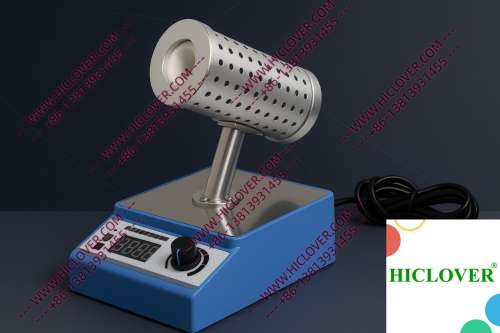
Infrared loop sterilizers align perfectly with these regulations, offering a safer alternative to combustion-based methods. Their efficiency in sterilizing inoculating loops ensures compliance with safety protocols, preventing cross-contamination in clinical diagnostics and research laboratories.
Application Scenarios in Medan’s Laboratories
- Biosafety Cabinets: In BSL-2 microbiology labs, the Micro Incinerator can be integrated into biosafety cabinets for safe and efficient sterilization of loops used during culturing pathogens.
- Teaching Laboratories: University settings in Medan benefit from employing infrared sterilizers in teaching labs, where students learn sterile techniques without the hazards of open flames.
- Mobile Field Testing: For field testing laboratories, where space and resources may be limited, the compact design of loop sterilizers enables them to conduct sterilization securely away from conventional lab settings.
Comparative Analysis: Infrared Loop Sterilizers vs. Flame Burners
| Feature | Micro Incinerator | Flame Burners |
|---|---|---|
| Heating Method | Infrared heat | Open flame |
| Safety | Clean-bench-safe | Risk of contamination and fire hazards |
| Speed of Sterilization | Rapid thermal sterilization | Variable, dependent on flame control |
| Temperature Control | High precision | Less controlled, difficult to maintain |
| Portability | Compact and mobile | Usually stationary |
Addressing Market Needs in Medan
The demand for effective laboratory sterilization equipment in Medan is driven by the city’s growing healthcare sector and scientific research community. Hospitals, universities, and research centers are in search of reliable, efficient sterilization solutions that ensure compliance while enhancing laboratory workflows.
High-quality Micro Incinerators represent a valuable investment for these institutions. With their superior performance, they reduce the potential for contamination, thereby safeguarding both laboratory personnel and research outcomes.
FAQs About Micro Incinerators and Sterilization Equipment
What is the primary benefit of using a Micro Incinerator over traditional flame sterilizers?
Micro Incinerators provide rapid thermal sterilization without the risks associated with open flames, thus increasing safety and lowering contamination chances in labs.
Are Micro Incinerators suitable for all types of laboratories?
Yes, they are highly adaptable and suitable for BSL-2 and BSL-3 environments, teaching labs, and field testing laboratories.
How does an infrared sterilizer ensure compliance with WHO biosafety standards?
Infrared sterilizers eliminate flames, reducing aerosol risks and allowing for controlled environments that meet stringent biosafety regulations.
Can the Micro Incinerator be used for sterilizing larger equipment?
Typically, they are designed for small laboratory tools like inoculating loops and needles. For larger equipment, alternative sterilization methods may be necessary.
What is the typical cost range for a high-quality Micro Incinerator in Medan?
Prices can vary depending on the features, but high-quality models generally range from $300 to $600, considered a worthwhile investment for laboratory safety and efficiency.
Conclusion
In summary, the shift towards infrared loop sterilizers, particularly Micro Incinerators, reflects a significant advancement in laboratory sterilization practices in Medan. Their safety, efficiency, and compliance with biosafety standards make them an ideal choice for various lab settings. For hospitals, universities, and research centers looking to enhance their laboratory operations, investing in a Micro Incinerator is a decision that not only bolsters safety but also elevates operational excellence.
For further inquiries or to request a quote, please contact us today to discover how we can support your laboratory sterilization needs. Your next step towards improved biosafety practices starts here!
Categories:
Tags: