
As Pakistan continues to tackle its waste management challenges, the laboratory landscape is evolving toward advanced, environmentally friendly sterilization solutions. Among these, Micro Incinerators stand out as key players in laboratory sterilization workflows, providing a bridge between traditional sterilization techniques and modern technology—essential for maintaining biosafety in various laboratory environments.
The Challenge: Laboratory Biosafety and Sterilization Demands
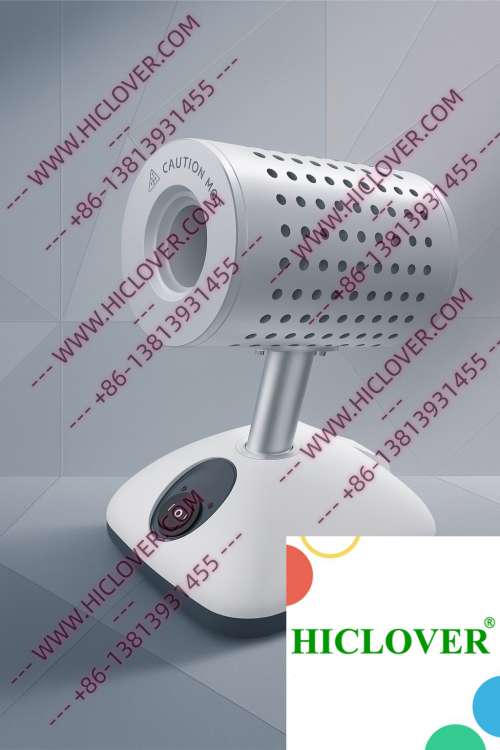
Laboratories, especially in biomedical sectors, face increasing pressure to adopt effective sterilization methods that ensure safety and compliance with international regulations. The demands include rapid thermal sterilization, contamination control, and safe handling of inoculating loops and other apparatuses. Traditional methods, such as Bunsen burners and alcohol lamps, while common, pose significant risks of open flames and resultant aerosols, complicating the sterile environment required within biosafety cabinets and clean rooms.
Understanding Micro Incinerators: Technical Principles
The Micro Incinerator, particularly the Infrared Inoculating Loop Sterilizer, operates on the principle of infrared heat, which offers several advantages over flame-based methods. The enclosed ceramic heating chamber provides an efficient and rapid high-temperature disinfection, reaching temperatures significantly above 800°C without the risk of flames. This innovation not only enhances safety within the lab but also allows for contamination-free handling crucial for laboratory workflows.
Key Features of Micro Incinerators
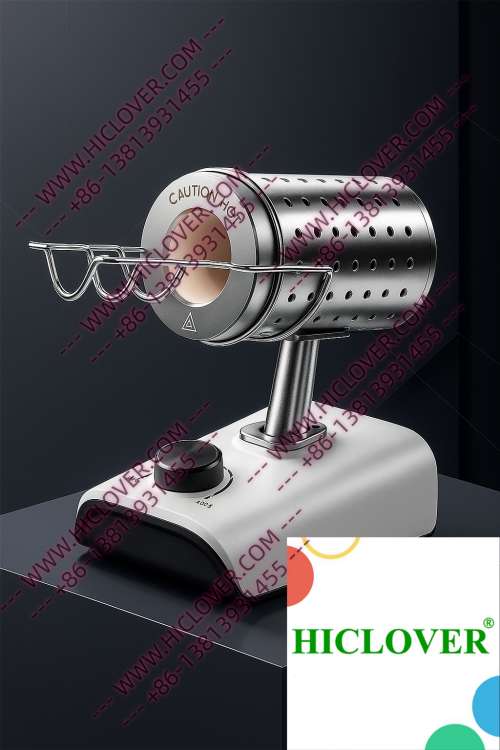
- Rapid Thermal Sterilization: Achieves sterilization in mere seconds.
- Clean-Bench Safe: No flames means that there’s reduced risk of contamination in clean environments.
- Ergonomic Design: Lightweight and portable, suitable for mobile labs or field testing.
- Easy Maintenance: Minimal upkeep required, thereby reducing operational costs.
- Environmentally Friendly: Lower carbon footprint compared to traditional flame sterilizers.
Application Scenarios: Real-World Impact
Micro Incinerators have been implemented across diverse laboratory settings in Pakistan, demonstrating their adaptability. Here are two notable application scenarios:
1. Biosafety Cabinets
In BSL-2 and BSL-3 microbiology labs, where pathogens are handled, the need for stringent sterilization protocols is paramount. Placing a Micro Incinerator within the biosafety cabinet allows scientists to sterilize inoculating loops and instruments without exposing themselves or the environment to harmful aerosols typically generated by flame-based sterilizers.
2. University Teaching Labs
Educational institutions, such as those in Lahore and Karachi, have embraced Micro Incinerators to provide students with hands-on sterilization training. As they work on microbiological experiments, students benefit from learning the importance of using advanced, safe, and environmentally responsible sterilization techniques that are compliant with laboratory standards.
Compliance with Biosafety and Sterilization Standards
Micro Incinerators align with key international biosafety guidelines, including those set by the World Health Organization (WHO) and the Centers for Disease Control and Prevention (CDC). Compliance is critical, particularly in labs where strict sterilization standards are mandated. Unlike traditional flame sterilizers that can introduce contaminants, Micro Incinerators offer an aerosol-free handling capability, allowing for safe operations in clean rooms and closed laboratory environments.
“The adoption of micro incinerators in Pakistan’s labs not only enhances safety but sets a precedent for responsible waste management practices.”
Comparison of Sterilization Solutions
| Features | Micro Incinerator | Traditional Flame Burners |
|---|---|---|
| Temperature Control | Precise, adjustable | Variable, often inconsistent |
| Safety | No open flames | Risk of fire and aerosols |
| Speed of Sterilization | Seconds | Minutes |
| Environmental Impact | Low | Higher carbon footprint |
| Portability | Highly portable | Heavier and cumbersome |
Frequently Asked Questions
- What is a Micro Incinerator?
A Micro Incinerator is a laboratory sterilization device that utilizes infrared heat for effective sterilization, designed to eliminate any risk of contamination. - How does a Micro Incinerator improve safety in labs?
It provides sterilization without open flames, significantly reducing risks associated with fire hazards and aerosols. - Can it be used in field testing environments?
Yes, its lightweight and portable design allows for easy use in mobile labs or field testing scenarios. - What are the benefits compared to traditional sterilization methods?
Micro Incinerators offer rapid sterilization, lower environmental impact, and improved safety protocols. - Is it compliant with international biosafety standards?
Yes, Micro Incinerators meet WHO and CDC guidelines, making them suitable for use in biological safety labs.
Conclusion: Advancing Laboratory Safety and Efficiency
As Pakistan strives to enhance its laboratory capabilities, the integration of Micro Incinerators offers a cutting-edge solution that aligns with contemporary sterilization practices while adhering to biosafety standards. By transitioning from traditional flame methods to innovative technologies, laboratories can improve their sterilization workflows, safeguard their environments, and train the next generation of scientists more effectively. To explore our range of Micro Incinerators and how they can be incorporated into your facility, please contact us for more information.
Categories:
Tags: