
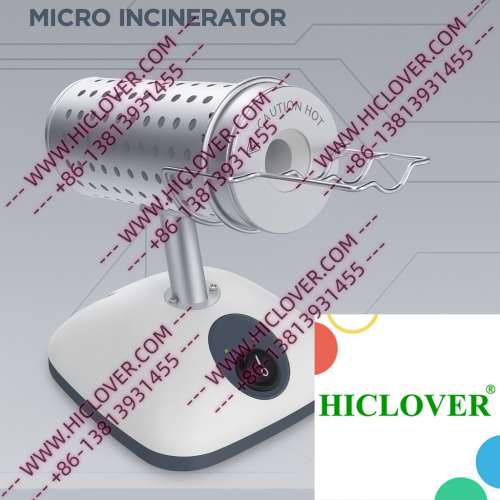
As India continues to enhance its medical practices, particularly in biosafety and laboratory operations, the integration of advanced sterilization methods becomes imperative. A particular focus is being directed towards the Micro Incinerator or Infrared Inoculating Loop Sterilizer. This innovative equipment offers crucial advantages over traditional flame sterilizers, addressing widespread laboratory biosafety challenges and workflow demands.
Understanding the Importance of Laboratory Sterilization
In the realm of microbiological research and clinical diagnostics, effective sterilization of inoculating loops and other instruments is vital. The risks associated with contamination can lead to significant repercussions, including erroneous results and biohazard exposure. Traditional flame-based sterilization methods, such as alcohol lamps and Bunsen burners, have served their purpose, but they pose numerous safety risks, particularly in clean rooms and high-compliance environments.
Technical Principles of the Infrared Inoculating Loop Sterilizer
The Micro Incinerator functions through rapid thermal sterilization, utilizing infrared heat generated from a ceramic heating chamber, which allows it to reach high temperatures quickly and uniformly. Unlike alcoholic flames, this technology ensures:
- Cleaner Operations: No soot or residual contamination.
- Improved Safety: Less risk of burns or fire hazards in controlled environments.
- Efficiency: Quick cycles enhance workflow, reducing waiting times.
- WHO-biosafety regulations for laboratories handling infectious agents.
- ISO standards for medical devices, ensuring safety and effectiveness.
- Laboratory sterilization protocols that mandate the elimination of microbial contaminants.
- Regulations prohibiting the use of open flames in clean rooms, mitigating risks of aerosol exposure.
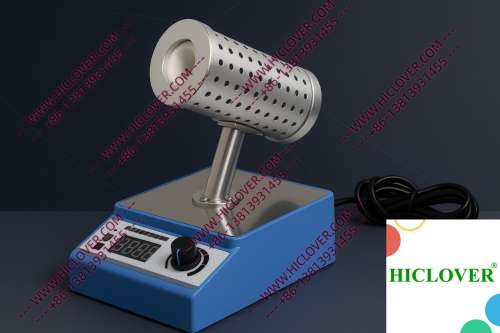
This enclosed infrared design focuses the heat directly to the inoculating loop, achieving optimal sterilization without unnecessary heat loss or aerosol generation, a common concern in many microbiology labs.
Application Scenarios in Real Laboratories
1. University Teaching Labs
In educational settings, safety and efficiency are paramount. Laboratories housing aspiring microbiologists can benefit significantly from the Micro Incinerator. Preserving a clean-bench-safe environment while conducting inoculation techniques becomes achievable without the inherent risks associated with flames. The compact design can quickly sterilize multiple loops, streamlining teaching processes and providing students with a hands-on approach to modern sterilization techniques.
2. Biosafety Cabinets in Clinical Diagnostics
In BSL-2 and BSL-3 microbiology labs, maintaining a sterile environment is critical. The Micro Incinerator facilitates contamination control, allowing precise operations within biosafety cabinets. It supports workflows that entail the handling of pathogenic materials, following WHO biosafety guidelines and compliance with sterilization standards designed to mitigate cross-contamination risks. This integration boosts confidence among researchers and clinicians by ensuring a higher level of biosafety and operational efficiency.
Compliance with Biosafety Standards
Integrating equipment like the Micro Incinerator is not merely about efficiency; it’s also about adhering to stringent biosafety standards. Key compliance requirements include:
By employing infrared sterilization, facilities can maintain compliance while ensuring safety and efficiency in their sterilization processes.
Comparative Analysis: Micro Incinerator vs. Flame Sterilizers
| Feature | Micro Incinerator | Flame Sterilizers |
|---|---|---|
| Safety | No open flame, lower risk of burns | Open flame, higher risk of fires and burns |
| Cleanliness | No soot or chemical residues | Produces soot and potential contamination |
| Efficiency | Longer heating time and variable efficiency | |
| Aerosol Generation | None | Potentially high with flame disruption |
| Technical Complexity | User-friendly and straightforward operation | Requires user skill and vigilance |
FAQs about Micro Incinerators and Laboratory Sterilization
What are the advantages of using a Micro Incinerator over a traditional flame sterilizer?
The Micro Incinerator offers enhanced safety, cleanliness, and efficiency, with rapid thermal sterilization that eliminates soot and reduces fire risk.
Can the Micro Incinerator be used in clinical settings?
Yes, it is particularly useful in BSL-2 and BSL-3 clinical diagnostics, supporting compliance with WHO biosafety standards.
How does infrared technology benefit laboratory practices?
Infrared technology allows for precise and rapid sterilization, reducing the time needed for cleaning and increasing throughput in busy labs.
Is the Micro Incinerator compliant with international biosafety regulations?
Absolutely! It adheres to WHO guidelines and ISO standards for laboratory equipment, ensuring high biosafety compliance.
What maintenance is required for the Micro Incinerator?
Minimal maintenance is needed; regular cleaning of the ceramic heating chamber is recommended to ensure optimal performance.
Conclusion
The integration of the Micro Incinerator into Indian medical practices presents a significant opportunity for advancing laboratory sterilization methods. By prioritizing safety, compliance, and efficiency, research institutions, hospitals, and universities can greatly enhance their biosafety protocols. Consider investing in a Micro Incinerator—transform your sterilization processes today for a cleaner, safer laboratory environment. For detailed information or to make a purchase, please contact us!
Categories:
Tags: