
In the dynamic realm of laboratory biosafety, the importance of effective sterilization methods cannot be overstated. Laboratories, particularly those operating at Biosafety Level 2 (BSL-2) and Level 3 (BSL-3), face immense challenges in ensuring contamination control while adhering to rigorous safety protocols. With the rise of portable micro incinerators, Argentina’s communities are now witnessing a transformative shift in laboratory sterilization workflows.
Understanding the Technical Principles of Micro Incinerators
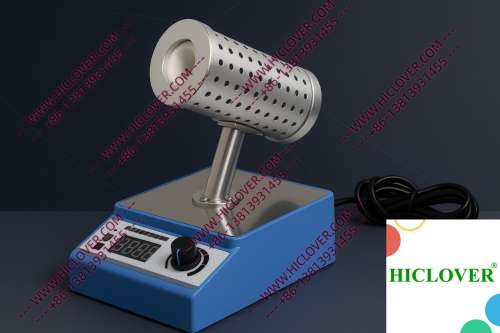
One of the most innovative tools in this evolving landscape is the Micro Incinerator, or Infrared Inoculating Loop Sterilizer. This device operates on the principle of rapid thermal sterilization, employing infrared heat within an enclosed ceramic tube to deliver precise and consistent temperatures. Unlike traditional flame sterilizers, such as Bunsen burners or alcohol lamps, which pose combustion risks and can create aerosols, the Micro Incinerator provides a clean-bench-safe environment for handling laboratory instruments and materials.
Advantages Over Traditional Flame Sterilizers
- Enhanced Safety: No open flame means reduced fire hazards, making the workspace safer, especially in clean rooms.
- Aerosol-Free: Minimizes the risk of contaminating the lab environment.
- Rapid Heating: Achieves high temperatures quickly for efficient sterilization.
- Temperature Control: Accurate temperature setting ensures consistent results, unlike variable flame lengths.
- What is the primary advantage of using a Micro Incinerator over traditional sterilization methods?
The primary advantage is enhanced safety and efficiency, as it eliminates the risk of flames and aerosols while achieving rapid thermal sterilization.
- Can Micro Incinerators be used in field testing environments?
Absolutely! Their portable design makes them ideal for field testing labs, allowing for safe sterilization on-site.
- What types of laboratories benefit most from Micro Incinerators?
Micro Incinerators are particularly beneficial in university teaching labs, clinical diagnostics, and BSL-2 or BSL-3 microbiology labs.
- Are Micro Incinerators compliant with WHO standards?
Yes, these devices meet WHO biosafety standards and are designed for optimal performance in maintaining a sterile environment.
Applications in Laboratory Settings
Micro Incinerators are versatile and can be utilized in a variety of laboratory settings. Below are two primary scenarios where these devices excel:
1. Teaching Labs in Universities
In university settings, particularly within microbiology departments, instructors emphasize the necessity of proper sterilization techniques. Micro Incinerators are integral for teaching students about contamination control before they work with live cultures. Students can swiftly sterilize inoculating loops without the distractions or hazards presented by flame-based methods, thereby focusing on learning fundamental microbiological procedures.
2. Mobile and Field Testing Labs
In Argentina, where some communities require mobile laboratory solutions due to geographic constraints, Micro Incinerators become essential. In remote areas, field testing for disease outbreaks relies on portable biosafety systems. Equipped with an infrared inoculating loop sterilizer, technicians can sterilize equipment on-site, maintaining safety protocols even outside traditional lab environments.
Biosafety Compliance and Environmental Considerations
Compliance with international biosafety standards is critical in laboratory operations. The World Health Organization (WHO) emphasizes the need for proper sterilization techniques to safeguard public health, especially in clinical diagnostics and research labs. The use of Micro Incinerators aligns with WHO guidelines, providing a non-flame solution that minimizes environmental impact while ensuring effective disinfection.
Moreover, traditional flame sterilizers pose challenges in cleanroom settings where contamination risks must be minimized. A sterile environment can be compromised by the particulates generated from flame combustion. Micro Incinerators, with their sealed design and focused heat application, offer a compliant and eco-friendly alternative.
Comparison of Micro Incinerator vs. Flame Burners
| Feature | Micro Incinerator | Flame Burners |
|---|---|---|
| Safety | No open flame | Inherent fire risks |
| Environmental Impact | Aerosol-free handling | Potential for airborne contamination |
| Heating Mechanism | Infrared technology | Open flame |
| Usability | Compact & portable | Requires stable surface & space |
FAQs About Micro Incinerators
Conclusion: Embrace a New Era of Sterilization
With the urgent need for effective and safe sterilization methods in laboratories across Argentina, the adoption of portable Micro Incinerators promises a substantial improvement in biosafety practices. These innovative devices not only enhance sterilization workflows but also align with global compliance standards, making them essential for laboratories in diverse settings.
For those looking to incorporate Micro Incinerators into their operations, we encourage reaching out for product inquiries or exploring options for your laboratory’s unique needs.
Categories:
Tags: