
In the challenging realm of laboratory biosafety, especially within Colombia’s rural regions, the demands of sterilization workflows present unique difficulties. The importance of effective waste management cannot be overstated, particularly when handling biohazardous materials. Traditional sterilization methods, such as alcohol lamps and Bunsen burners, often fall short in terms of efficiency, safety, and compliance with modern laboratory standards.
Transforming Sterilization Workflows with Micro Incineration
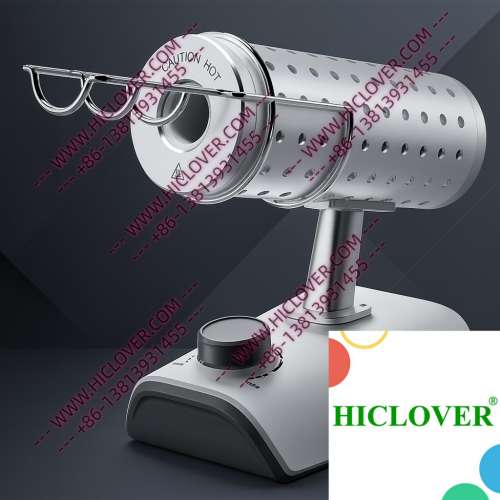
The Micro Incinerator, or Infrared Inoculating Loop Sterilizer, stands out as an advanced solution for these challenges. This innovative device leverages infrared heat to achieve rapid thermal sterilization, capable of reaching high temperatures within a matter of seconds. Its enclosed ceramic tube design ensures that the sterilization process is both swift and effective, minimizing the risk of contamination.
Technical Principles of the Micro Incinerator
At the heart of the Micro Incinerator’s functionality is its infrared heating technology. This system not only delivers consistent high temperatures but also ensures a clean, flame-free operation. The ceramic heating chamber effectively vaporizes biological material instead of burning it, which reduces the production of hazardous smoke or aerosols often associated with traditional flame sterilizers.
Application Scenarios
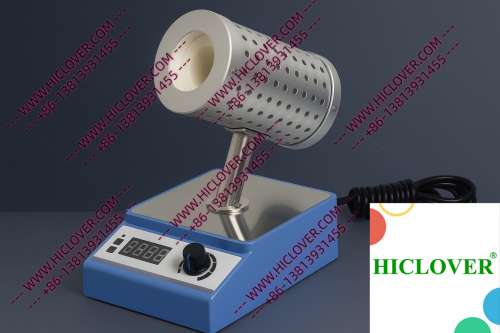
- Biosafety Cabinets: In BSL-2 and BSL-3 microbiology labs, the Micro Incinerator serves as a vital tool for maintaining sterile conditions. Its rapid sterilization capabilities allow for quick decontamination of inoculating loops, eliminating any risk of cross-contamination during sample transfer.
- Field Testing Labs: For mobile or field testing labs, the portability and efficiency of the Micro Incinerator make it ideal for remote locations where access to traditional sterilization methods may be limited. Its lightweight design allows for easy transport, ensuring that field scientists can maintain sterilization standards irrespective of location.
Compliance and Environmental Considerations
In a climate where adherence to regulations is crucial, particularly within the healthcare and research sectors, the Micro Incinerator complies with WHO biosafety standards and local Colombian regulations for laboratory sterilization. Traditional flame sterilizers pose challenges in clean rooms, where the introduction of open flames can compromise air quality and increase the risk of contaminants. By contrast, the Micro Incinerator’s flame-free design promotes a safer work environment, which is particularly beneficial in clinical diagnostics and teaching labs.
Advantages of Micro Incinerator Over Traditional Flame Sterilizers
| Feature | Micro Incinerator | Traditional Flame Sterilizers |
|---|---|---|
| Aerosol-free handling | ✔️ | ❌ |
| Rapid thermal sterilization | ✔️ | ❌ |
| Stable temperature control | ✔️ | ❌ |
| Portable design | ✔️ | ❌ |
| Flame-free operation | ✔️ | ❌ |
Frequently Asked Questions (FAQs)
- How does the Micro Incinerator ensure effective sterilization?
The Micro Incinerator utilizes infrared heat to achieve rapid, high-temperature sterilization, effectively eliminating all biological materials without generating harmful aerosols.
- What are the main benefits of using a Micro Incinerator in laboratory settings?
Some key benefits include enhanced safety due to flame-free operation, portability for field use, and rapid sterilization times, which improve overall workflow efficiency.
- Can the Micro Incinerator be used in BSL-3 laboratories?
Yes, the Micro Incinerator is suitable for use in BSL-3 laboratories, as it meets the necessary biosafety and sterilization standards required in such facilities.
- Is the Micro Incinerator environmentally friendly?
Yes, its operation eliminates the need for flames, reducing the carbon footprint and waste produced compared to traditional sterilization methods.
- What types of materials can be sterilized using the Micro Incinerator?
The Micro Incinerator is ideal for sterilizing inoculating loops, syringes, and other small laboratory tools that require quick and effective decontamination.
Conclusion
As Colombia and its rural areas confront increasingly pressing waste management and biosafety challenges, the Micro Incinerator emerges as a strong contender in the field of laboratory sterilization equipment. By adopting this innovative solution, hospitals, universities, and research centers can ensure compliance, enhance safety, and streamline their sterilization workflows. For those looking to invest in reliable and efficient laboratory sterilization equipment, we invite you to reach out for a consultation on how the Micro Incinerator can enhance your laboratory processes.
Categories:
Tags: