
In the world of laboratory work, biosafety is paramount. Managing contamination risks during sterilization workflows can be a challenge, especially when handling various microbial cultures. As researchers and lab technicians strive to maintain sterile conditions, high-efficiency sterilization equipment, such as Micro Incinerators or Infrared Inoculating Loop Sterilizers, are becoming essential tools in modern laboratories. These innovative devices not only enhance safety but also streamline sterilization processes, catering to a wide range of applications across different lab environments.
The Technical Principle Behind Micro Incinerators
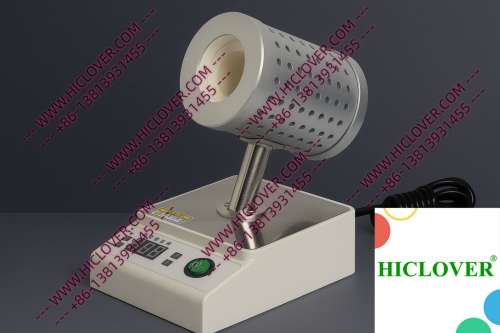
Micro Incinerators utilize infrared heating technology to achieve rapid thermal sterilization, effectively eliminating microbial contaminants without the risk associated with open flames. Unlike traditional flame sterilizers, such as alcohol lamps or Bunsen burners, these devices use an enclosed ceramic heating chamber that reaches high temperatures in seconds, providing a safe and efficient method for sterilizing inoculating loops, needles, and other lab instruments.
The core of the Micro Incinerator is its embedded ceramic tube, which reaches temperatures upwards of 800°C (1472°F). This high-temperature disinfection process ensures complete combustion of organic materials, resulting in aerosol-free handling that minimizes contamination risk. With a simple and quick operational mechanism, users can sterilize tools in under 10 seconds, making it an ideal solution for busy laboratory environments.
Applications in Real Laboratories
1. Biosafety Cabinet Utilization
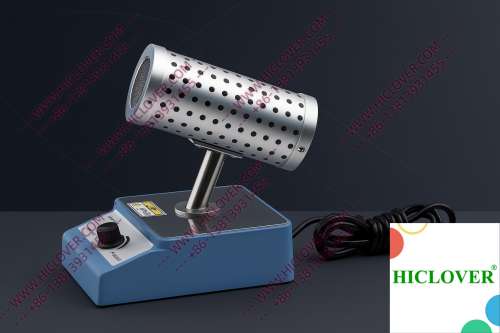
In BSL-2 and BSL-3 microbiology labs, where stringent contamination control measures are essential, Micro Incinerators play a crucial role. When working within a biosafety cabinet, sterilizing inoculating loops and other instruments quickly ensures that no pathogens are released into the environment. The compact design allows it to fit seamlessly into the workflow, enabling scientists to conduct their experiments efficiently and safely.
2. Field Testing Scenarios
Mobile or field testing labs often encounter unique sterilization challenges, particularly in remote areas where traditional sterilization methods may not be feasible. Micro Incinerators can be powered by battery or portable generators, making them ideal for field research. For instance, in clinical diagnostics or environmental sampling, researchers can quickly sterilize equipment on-site. This capability not only enhances efficiency but also significantly reduces the risk of cross-contamination.
Compliance and Environmental Considerations
Moreover, adherence to biosafety standards is crucial in laboratory operations. The World Health Organization (WHO) emphasizes the importance of proper sterilization techniques to prevent laboratory-acquired infections. Using Micro Incinerators aligns with these standards, as they comply with best practices in lab sterilization. Unlike open flames, which are hazardous and not advisable in clean rooms, Micro Incinerators provide a flame-free sterilization solution that ensures a safer work environment.
- WHO Biosafety Guidelines: Aligns with sterilization best practices.
- Lab Sterilization Standards: Meets stringent laboratory requirements.
- Clean Room Safety: Eliminates flame hazards associated with traditional methods.
Comparison: Micro Incinerator vs. Flame Burners
| Feature | Micro Incinerator | Flame Burners |
|---|---|---|
| Temperature Control | Precise, stable | Variable, less control |
| Safety | Flame-free, reduces fires | Open flame, fire hazard |
| Contamination Risk | Aerosol-free | Higher risk |
| Speed | Instant heating, <10 seconds | Time-consuming |
FAQs
What is a Micro Incinerator?
A Micro Incinerator is a high-efficiency sterilization device that uses infrared heat to rapidly sterilize laboratory tools, providing a reliable alternative to open flame methods.
How does infrared technology enhance sterilization?
Infrared technology allows for instantaneous and uniform heating, ensuring that instruments are fully sterilized without the risk of aerosol contamination.
Can I use a Micro Incinerator in field settings?
Yes! Micro Incinerators are portable and can be powered by battery or generators, making them suitable for field testing scenarios.
Why are flame sterilizers less preferable in clean rooms?
Flame sterilizers pose fire hazards and can generate aerosols, which are detrimental in clean environments. Micro Incinerators provide a safer, flame-free alternative.
What types of sterilization can be performed?
Micro Incinerators are versatile and can effectively sterilize inoculating loops, needles, and other laboratory implements across various settings.
Conclusion
In conclusion, Micro Incinerators represent a significant advancement in laboratory sterilization technology, addressing the challenges faced in contemporary lab environments. With rapid thermal sterilization capabilities, compliance with biosafety standards, and versatile applications, these devices are transforming how laboratories manage contamination control. Whether you’re in a BSL-2 lab, conducting field research, or teaching in a university setting, adopting a Micro Incinerator can enhance both safety and efficiency in your workflows. For more information on how our Micro Incinerator solutions can meet your needs, don’t hesitate to reach out today.
Categories:
Tags: