
In the fast-paced world of modern laboratories, the demand for effective biosafety solutions and efficient sterilization workflows has never been more critical. With the growing emphasis on contamination control, particularly in BSL-2 and BSL-3 microbiology labs, lab safety protocols must evolve. The use of traditional flame sterilizers such as alcohol lamps or Bunsen burners often presents challenges, including the risk of open flames and inconsistent sterilization outcomes. Enter the micro incinerator, revolutionizing laboratory sterilization with innovative technology.
Technical Principles of Micro Incinerators
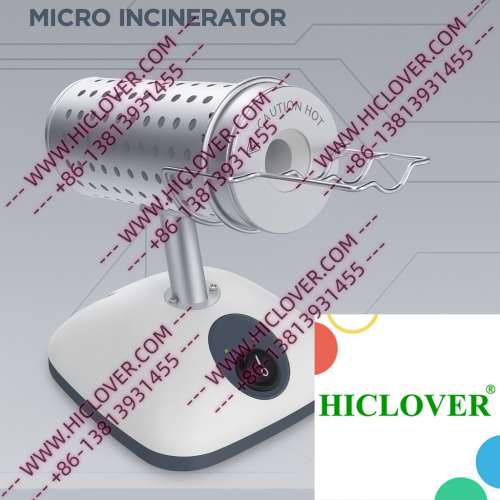
Micro incinerators, or infrared inoculating loop sterilizers, utilize rapid thermal sterilization to achieve high efficiency in decontaminating inoculating loops, needles, and other laboratory tools. Equipped with a ceramic heating chamber, this device generates infrared heat that reaches temperatures sufficient for high-temperature disinfection, typically above 850°C (1562°F).
The enclosed ceramic tube design of the micro incinerator not only allows for focused heat concentration but also promotes safety by minimizing the risk of aerosol generation during the sterilization process. This feature is particularly important in clean rooms and during operations involving sensitive biological samples, where contamination risks must be mitigated.
Applications in Real Laboratories
1. Biosafety Cabinet Operations
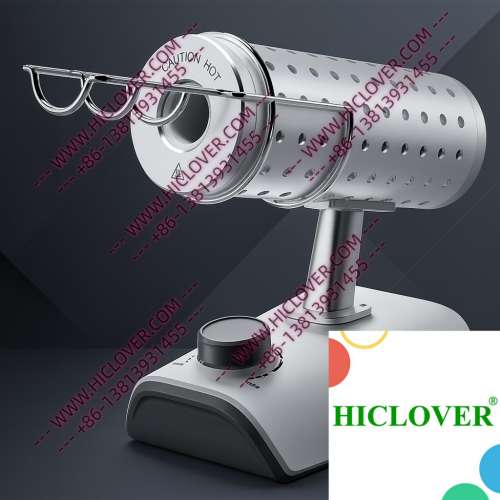
In a typical biosafety cabinet setup, researchers utilize micro incinerators to sterilize tools between handling samples. The compact design of the micro incinerator ensures it fits seamlessly within the cabinet’s workspace. By eliminating the use of open flames, labs can significantly reduce the risk of fire hazards and maintain a cleaner airflow, thus safeguarding both the samples and the personnel.
2. Mobile or Field Testing Labs
Field testing scenarios, such as environmental sampling, require portable and efficient sterilization solutions. Micro incinerators offer an excellent alternative, allowing researchers to perform on-site sterilization without the bulk and risks associated with traditional flame-based sterilizers. Their lightweight and robust design ensures that they can withstand various outdoor conditions while providing reliable sterilization results.
Compliance and Environmental Considerations
Adhering to WHO biosafety standards and laboratory sterilization regulations is paramount. Many institutions are moving towards flame-free options in BSL-2 and BSL-3 labs to minimize fire risks and enhance overall safety. Micro incinerators comply with these stringent guidelines, providing organizations with peace of mind for both operational procedures and regulatory compliance.
Furthermore, the use of micro incinerators reduces environmental impact, as they operate without the need for alcohol or other flammable cleaning agents. This innovation shifts laboratory operations towards more sustainable practices, aligning with global efforts to promote eco-friendly lab environments.
Key Advantages Over Traditional Flame Sterilizers
- Safety: Zero-flame operation reduces fire hazards and risks of burns.
- Efficiency: Infrared technology promotes quick thermal sterilization.
- Portability: Compact design makes them ideal for field use.
- Minimal Aerosol Production: Enclosed sterilization prevents contamination through aerosols.
- Cost-effective: Reduced fuel costs and longer lifespan vs. traditional options.
Frequently Asked Questions
What is a micro incinerator used for?
A micro incinerator is used for the rapid sterilization of laboratory instruments such as inoculating loops, needles, and scalpels, enhancing contamination control.
How does the micro incinerator compare to traditional flame sterilizers?
Compared to traditional flame sterilizers, micro incinerators offer enhanced safety, faster heating times, and reduced risk of contamination through aerosols. They also eliminate the need for combustibles.
Are micro incinerators compliant with international biosafety standards?
Yes, micro incinerators are designed to meet WHO biosafety standards, making them suitable for laboratories that require high levels of safety and sterility.
Can I use a micro incinerator in a biosafety cabinet?
Absolutely! Micro incinerators are compact and safe for use inside biosafety cabinets, allowing for effective sterilization without compromising lab safety.
How energy-efficient are micro incinerators?
Micro incinerators are energy-efficient, requiring less energy than traditional flame sterilizers, thereby contributing to reduced overall laboratory operational costs.
Conclusion
In an era where laboratory efficiency and safety are paramount, micro incinerators stand out as a transformative solution for sterilization needs. By choosing an infrared inoculating loop sterilizer, laboratories enhance their workflow while promoting higher standards of biosafety. For laboratories aiming to invest in reliable and efficient sterilization equipment, we invite you to explore our range of micro incinerators today. Elevate your sterilization processes and contact us for tailored solutions!
Categories:
Tags: