
Laboratory safety is a paramount concern, especially when dealing with biohazardous materials and microorganisms. In BSL-2 and BSL-3 microbiology labs, the requirement for effective sterilization methods is critical. Traditional methods such as alcohol lamps and Bunsen burners face scrutiny for their inefficiencies and safety risks. Laboratory professionals increasingly recognize the need for innovative solutions to address these biosafety challenges. This is where the Micro Incinerator and Infrared Inoculating Loop Sterilizer come into play, offering a practical answer to contamination control and sterilization workflow demands.
Technical Principles of Micro Incinerators
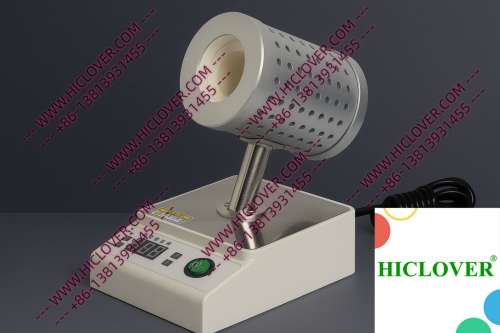
The core functionality of the Micro Incinerator revolves around rapid thermal sterilization. Utilizing an enclosed ceramic heating chamber, this device generates infrared heat that reaches high temperatures in seconds. This method not only ensures thorough sterilization but does so without producing aerosols, making it ideal for safe handling in clean environments.
Unlike traditional flame sterilizers, which can introduce contaminants through open flames, the Micro Incinerator operates with an enclosed design. This mechanism eliminates the risk of creating harmful aerosols or exposing sensitive materials to ecological pollutants. Furthermore, the absence of an open flame makes it clean-bench-safe, suitable for delicate laboratory environments.
Applications of the Micro Incinerator
1. Biosafety Cabinet Operations
In a typical biosafety cabinet, the Micro Incinerator excels in sterilizing tools and equipment used for handling biological specimens. For instance, during microbial cultures, researchers often need to quickly sterilize inoculating loops between samples. The Micro Incinerator’s rapid heating eliminates the risk of cross-contamination while allowing researchers to maintain a sterile field.
2. Mobile or Field Testing Labs
Field testing labs that operate in remote or outdoor settings also benefit significantly from this technology. For example, environmental microbiologists often require on-site sterilization of sampling tools to prevent contamination of water and soil samples. Utilizing the Infrared Inoculating Loop Sterilizer in the field allows these professionals to ensure sample integrity and reliability without the limitations of traditional flame-based methods.
Compliance and Environmental Considerations
The adoption of Micro Incinerators aligns seamlessly with WHO biosafety recommendations and lab sterilization standards. With stringent guidelines in place to mitigate the risks associated with biohazardous materials, it becomes imperative for laboratories to embrace technologies that promote safety and efficiency.
Moreover, the Micro Incinerator’s design contributes significantly to maintaining the sterile conditions required in cleanrooms. Its electric operation negates the fire hazards associated with open flames, thus complying with cleanroom safety protocols. This feature is particularly important in clinical diagnostics and pharmaceutical laboratories, where any form of contamination can have dire consequences.
Comparison of Micro Incinerators and Traditional Flame Sterilizers
| Feature | Micro Incinerator | Traditional Flame Sterilizer |
|---|---|---|
| Heat Source | Infrared electric heating | Open flame |
| Ease of Use | Rapid heating; fewer handling risks | Requires careful flame management |
| Contamination Risk | No aerosols; clean-bench-safe | High; risk of spectral contamination |
| Energy Efficiency | High; quick operation | Variable; depends on fuel type |
| Compliance | Exceeds biosafety standards | May not comply in cleanroom environments |
Frequently Asked Questions (FAQs)
- What types of laboratories benefit most from using a Micro Incinerator?
Micro Incinerators are ideal for BSL-2 and BSL-3 microbiology labs, clinical diagnostic labs, and university teaching labs. - How does a Micro Incinerator ensure safety during sterilization?
Its enclosed design prevents aerosol generation and fire hazards, making it appropriate for use within biosafety cabinets and cleanroom environments. - Is the Micro Incinerator compliant with international safety standards?
Yes, it meets WHO biosafety recommendations and other lab sterilization standards, ensuring safe operation in sensitive environments. - Can the Micro Incinerator be used for field testing?
Absolutely. The Micro Incinerator’s portable design makes it suitable for sterilization in remote locations, ensuring the integrity of field samples. - What are the advantages of infrared sterilization over traditional methods?
Infrared sterilization provides quicker heating, eliminates contamination risks associated with flames, and offers higher energy efficiency compared to traditional alternatives.
Conclusion
The Micro Incinerator represents a revolutionary step forward in laboratory sterilization practices, addressing key biosafety challenges while demonstrating environmental compliance. Its application across various laboratory settings—from teaching labs to field testing—illustrates its versatility and effectiveness in promoting contamination control. As the demand for sustainable waste management solutions continues to rise, investing in a Micro Incinerator is a proactive approach towards enhancing laboratory safety and efficiency. For those interested in acquiring this state-of-the-art technology, please reach out to us for consultation and purchase options.
Categories:
Tags: