
In today’s rapidly evolving world of scientific research and clinical diagnostics, laboratories are faced with increasing biosafety challenges. Maintaining sterilization standards is not just a regulatory requirement; it’s a necessity that safeguards both researchers and the integrity of their work. Among the critical tools in achieving effective laboratory sterilization are Micro Incinerators and Infrared Inoculating Loop Sterilizers. These devices represent a significant leap forward from traditional methods like alcohol lamps and Bunsen burners, offering enhanced safety, efficiency, and compliance with international lab standards.
The Technical Principles Behind Infrared Loop Sterilizers
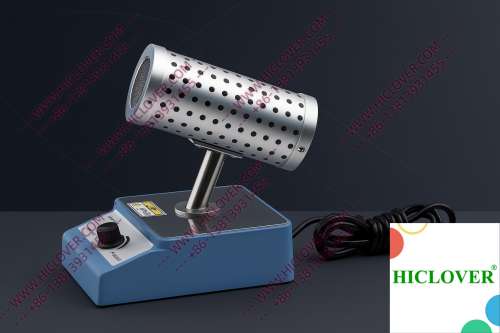
At the heart of a Micro Incinerator is its innovative use of infrared heat. This technology employs a ceramic heating chamber that reaches high temperatures within seconds, allowing for rapid thermal sterilization of inoculating loops. Unlike conventional flame sterilizers, which can produce aerosols and present a fire hazard, infrared sterilizers operate in a clean, enclosed environment, significantly reducing the risk of contamination.
- Rapid Thermal Sterilization: Infrared sterilizers can heat up to 800°C, ensuring complete disinfection in seconds.
- Enclosed Design: The ceramic tube protects researchers from exposure to flames and reduces contamination risks.
- Aerosol-Free Handling: This reduces the risk of airborne contaminants and enhances safety in sensitive lab environments.
Applications in Real Laboratory Settings
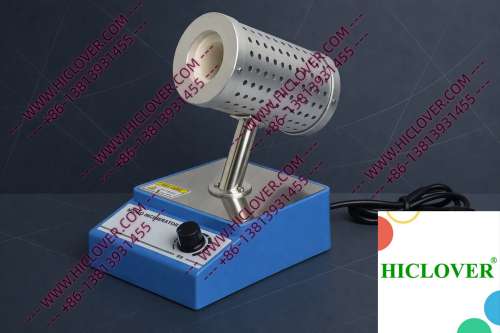
Micro Incinerators and Infrared Inoculating Loop Sterilizers are poised to revolutionize sterilization practices in various laboratory settings. Here are two common application scenarios:
1. University Teaching Labs
In university teaching labs, students and instructors require safe and efficient means of sterilization. Utilizing an Infrared Inoculating Loop Sterilizer in these environments allows for immediate sterilization of inoculation tools, providing students with hands-on experience while minimizing contamination risks. The rapid heating capability enhances the learning process by reducing downtime between experiments.
2. BSL-2 and BSL-3 Microbiology Labs
In higher containment labs, like BSL-2 and BSL-3 facilities, the sterile handling of microorganisms is paramount. The use of Micro Incinerators here prevents the potential hazards associated with open flames. Additionally, their design complies with critical biosafety regulations such as those set by the WHO, offering peace of mind in pathogens-intensive environments.
Regulatory Compliance and Environmental Considerations
Adhering to strict regulatory standards is essential for laboratory operations. WHO biosafety guidelines emphasize the necessity of non-flame sterilization methods that minimize risks in cleanroom environments. Traditional flame sterilizers can create hazardous conditions due to their open flames; however, Micro Incinerators address this concern by providing a clean, encapsulated sterilization method.
Moreover, using infrared sterilization in cleanrooms helps in maintaining air quality and minimizes the potential for aerosol generation. Compliance with sterilization standards not only safeguards personnel but also ensures reliable results, crucial for scientific research and clinical diagnostics.
Comparison: Micro Incinerator vs. Traditional Flame Burners
| Feature | Micro Incinerator | Traditional Flame Burners |
|---|---|---|
| Heating Method | Infrared | Open Flame |
| Temperature Control | High precision | Variable |
| Safety | Low risk of contamination | Higher risk of fire hazards |
| Speed of Sterilization | Seconds | Variable |
| Cleanroom Compliance | Yes | No |
FAQs About Micro Incinerators and Infrared Loop Sterilizers
What safety features distinguish Micro Incinerators from traditional flame sterilizers?
Micro Incinerators are designed with infrared technology and enclosed ceramic tubes, minimizing the risk of flames and aerosols, thus offering a safer alternative in laboratory settings.
How quickly can an Infrared Inoculating Loop Sterilizer achieve optimal sterilization temperatures?
These devices typically reach temperatures of 800°C in just a few seconds, allowing for rapid sterilization.
Are Micro Incinerators compliant with WHO biosafety guidelines?
Yes, they meet or exceed overall biosafety standards, particularly in environments requiring high levels of contamination control.
Where are Micro Incinerators most commonly used?
They are widely utilized in BSL-2 and BSL-3 labs, university teaching labs, and mobile field testing conditions due to their versatility and safety features.
What are the benefits of using these devices in clinical diagnostics?
Using Micro Incinerators ensures rapid and safe sterilization of instruments, enhancing the reliability of diagnostic processes and reducing contamination risks in sensitive environments.
Cairo’s commitment to cleanliness is reflected in the adoption of state-of-the-art sterilization technologies, like Micro Incinerators and Infrared Inoculating Loop Sterilizers, in laboratory settings. With their rapid thermal sterilization capabilities and inherent advantages over traditional flame sterilizers, these devices are essential for ensuring safety, compliance, and operational efficiency in today’s labs.
To learn more about how Micro Incinerators can elevate your laboratory’s cleanliness standards and enhance your workflows, feel free to contact us or request a quote today!
Categories:
Tags: