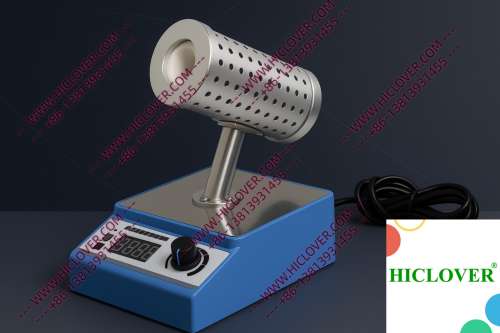
As the demand for stringent biosafety measures in laboratory environments increases, Melbourne’s labs are stepping up their game to address the practical challenges of contamination control in sterilization workflows. The adoption of advanced laboratory sterilization equipment, particularly the Micro Incinerator or Infrared Inoculating Loop Sterilizer, is proving to be a game-changer in ensuring effective and safe sterilization practices.
Understanding the Technical Principles
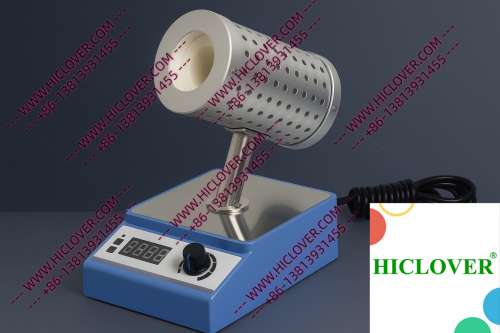
The Micro Incinerator utilizes infrared heat through a specially designed enclosed ceramic tube. This technology allows for rapid thermal sterilization of inoculating loops and other small instruments while minimizing the risks associated with traditional flame sources. The ceramic heating chamber achieves high temperatures quickly, enabling both efficient and effective sterilization without the risk of open flames.
Comparison: Micro Incinerator vs. Traditional Flame Sterilizers
| Feature | Micro Incinerator | Flame Sterilizers |
|---|---|---|
| Heat Source | Infrared | Open Flame |
| Safety | Clean-bench-safe, aerosol-free | Risk of fire hazards and contamination |
| Temperature Control | Precise and adjustable | Difficult to regulate |
| Environment Impact | Minimal emissions | Flame byproducts |
Application Scenarios in Real Labs
The practical applications of the Micro Incinerator extend to several laboratory environments, including:
- Biosafety Cabinets: In BSL-2 and BSL-3 microbiology labs, the Micro Incinerator offers a compact and effective solution for sterilizing loops between cultures. Its enclosed design not only prevents aerosol generation but also maintains the integrity of sterile zones.
- Teaching Labs: University teaching laboratories benefit from the Micro Incinerator’s ease of use, allowing students to practice safe sterilization techniques without the supervision concerns posed by traditional flames. This feature supports educational training that adheres to modern biosafety standards.
Compliance with Safety and Sterilization Standards
Ensuring compliance with international biosafety standards, such as those set by the World Health Organization (WHO), is critical for all laboratory operations. The Micro Incinerator aligns with numerous lab sterilization standards, providing a safe alternative where flame-based sterilization is prohibited, particularly in sensitive environments like clean rooms.
The absence of an open flame mitigates any fire hazard, thus facilitating compliance with safety protocols that require non-flame methods in laboratory settings. Consequently, laboratories can maintain a safer operational workflow while adhering to biosafety regulations.
FAQs
1. What are the advantages of using a Micro Incinerator over traditional flame sterilizers?
The Micro Incinerator offers several benefits, including precise temperature control, reduced risks of contamination through aerosol-free operation, and enhanced safety in sterile environments.
2. Can the Micro Incinerator be used in field testing labs?
Yes, the compact design of the Micro Incinerator makes it suitable for mobile labs and field testing environments, ensuring effective sterilization without the need for flammable substances.
3. Are there specific maintenance requirements for the Micro Incinerator?
The Micro Incinerator requires minimal maintenance, primarily focusing on keeping the ceramic heating chamber clean for optimal performance.
4. How does the Micro Incinerator support biosafety in teaching labs?
It provides a safe and effective means of sterilizing equipment, enabling hands-on learning without introducing risks associated with open flames, thus enhancing the overall educational experience.
5. Is the Micro Incinerator energy efficient?
Yes, the Micro Incinerator is designed to operate efficiently, consuming less energy compared to traditional flame sterilization methods while delivering rapid performance.
Conclusion
The integration of Micro Incinerators into the daily operations of Melbourne’s laboratories is a step forward in enhancing biosafety and sterilization processes. By minimizing contamination risks and adhering to compliance standards, these devices not only improve laboratory workflows but also contribute to a safer working environment. If you’re looking to upgrade your laboratory sterilization equipment or want to learn more about Micro Incinerators, we encourage you to reach out to our team today for expert advice and purchasing options.