
In today’s increasingly complex laboratory environments, safety and cleanliness are paramount. Significant challenges arise in biosafety and sterilization workflows, necessitating effective solutions to combat contamination risks. As science advances, so do the tools we use. Among these, Micro Incinerators, specifically the Infrared Inoculating Loop Sterilizer, stand out as an innovative choice, addressing many issues faced in various laboratory settings.
The Technical Principle Behind Micro Incinerators
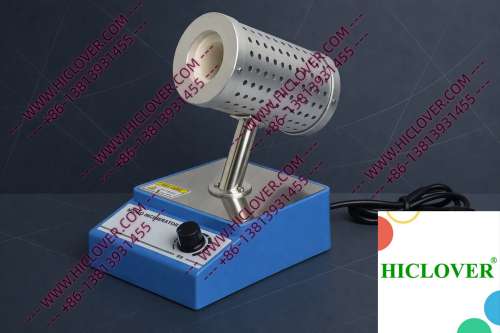
At the heart of the Micro Incinerator is its infrared heating technology. This device operates by utilizing an enclosed ceramic tube that generates infrared radiation, allowing for rapid thermal sterilization of inoculating loops, needles, and other laboratory equipment. A highly controlled, high-temperature disinfection process is achieved without an open flame, greatly enhancing safety in the laboratory environment.
Unlike traditional flame-based sterilizers such as alcohol lamps or Bunsen burners, Micro Incinerators provide a clean-bench-safe solution for controlling aerosol emissions, reducing risks of biological contamination. Infrared heating offers consistent and efficient heat transfer, ensuring that even the most tenacious pathogens are eliminated swiftly and thoroughly.
Application Scenarios in Laboratory Settings
1. Biosafety Cabinets
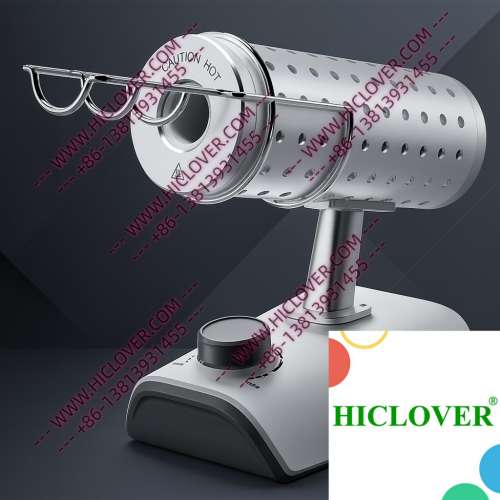
In BSL-2 and BSL-3 laboratories, where pathogens pose a significant risk, using a Micro Incinerator complements the stringent biosafety measures in place. For instance, when preparing microbial cultures, researchers can conveniently sterilize inoculating loops right within the safety of a biosafety cabinet. This practice minimizes contamination risk while ensuring compliance with laboratory sterilization standards.
2. Teaching Labs
University teaching laboratories represent another essential application scenario for Micro Incinerators. Here, students are trained to perform aseptic techniques while utilizing a high-quality, reliable sterilization method. The infrared sterilizer provides a safe, hands-on learning experience, promoting biosafety compliance while reinforcing proper lab protocols. Instructors appreciate the ease of use, allowing them to focus on teaching rather than worrying about safety risks associated with flame use.
Compliance and Safety Considerations
The World Health Organization (WHO) and various regulatory agencies establish guidelines for laboratory safety, emphasizing the need for sterile equipment to prevent contamination. Micro Incinerators meet these requirements effectively, particularly in clean rooms where the presence of open flames is strictly prohibited. Their designs promote environmental compliance, safeguarding both personnel and the surrounding area against potential hazards.
Additionally, adopting infrared sterilization technology aligns with laboratory sterilization standards, fostering adherence to best practices in contamination control. Safety regulations that mandate the use of controlled sterilization methods can depend on reliable solutions like Micro Incinerators to mitigate risks.
Advantages of Micro Incinerators Over Traditional Flame Sterilizers
| Features | Micro Incinerator | Flame Sterilizers (e.g., Bunsen Burners) |
|---|---|---|
| Safety | Flame-free Reduced aerosol generation |
Open flame Higher risk of fire |
| Speed | Rapid thermal sterilization | Variable heating times |
| Control | Temperature precision | Flame control variability |
| Convenience | One-touch operation | More manual effort required |
Frequently Asked Questions
- What is a Micro Incinerator used for?
A Micro Incinerator is used for sterilizing laboratory equipment such as inoculating loops and needles using infrared heat, effectively eliminating pathogens. - How does the infrared sterilization process work?
Infrared sterilization heats objects rapidly by emitting infrared radiation within a controlled ceramic tube, ensuring thorough disinfection. - Are Micro Incinerators compliant with biosafety standards?
Yes, Micro Incinerators meet WHO and other regulatory biosafety standards, making them suitable for BSL-2 and BSL-3 laboratories. - Can Micro Incinerators be used in teaching labs?
Absolutely! They are ideal for teaching labs, providing a safe method for students to practice sterile techniques without the risks associated with flames. - How do Micro Incinerators compare to traditional flame sterilizers in terms of safety?
Micro Incinerators are significantly safer due to their flame-free operation, reducing the risk of fire and aerosol exposure compared to traditional flame sterilizers.
Enhancing Efficiency in Various Lab Environments
Whether in clinical diagnostics, field testing, or university teaching settings, Micro Incinerators improve workflow and safety. Their compact size, ease of use, and reliability make them an excellent choice for laboratories across various regions, from bustling urban centers like New York to emerging research hubs in Asia.
Conclusion
Micro Incinerators, particularly the Infrared Inoculating Loop Sterilizer, are revolutionizing laboratory sterilization practices. They offer a safe and efficient alternative to traditional flame sterilizers, aligning with global biosafety standards while enhancing operational workflow in diverse laboratory settings. If you’re looking to upgrade your sterilization equipment, consider investing in a Micro Incinerator to improve lab safety and cleanliness. For inquiries or purchases, please reach out to us!
Categories:
Tags: