
In today’s research and clinical environments, effective contamination control is paramount. Laboratories face increasing biosafety challenges as they strive to maintain sterile conditions and uphold stringent compliance standards. One critical aspect of this effort is the choice of sterilization equipment. Selecting the right sterilization heater, such as the Micro Incinerator or Infrared Inoculating Loop Sterilizer, can significantly enhance workflow efficiency and bolster safety.
The Science Behind Infrared Sterilization
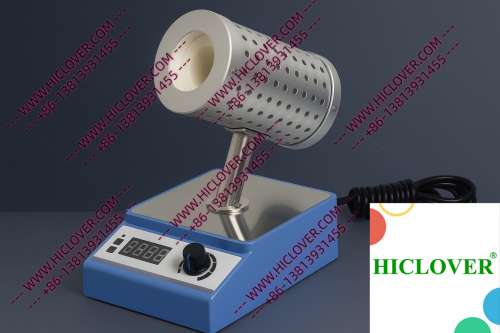
Understanding the principles of infrared heating is essential when evaluating sterilization techniques. Infrared sterilizers use high-temperature infrared radiation to disinfect inoculating loops and other tools rapidly. This method involves an enclosed ceramic heating chamber that emits consistent, stable heat, ensuring complete sterilization without flames, which is particularly crucial in environments where contamination is a concern.
Advantages of Infrared Sterilization
Compared to traditional methods such as alcohol lamps or Bunsen burners, infrared devices offer several key benefits:
- Rapid Thermal Sterilization: Infrared sterilizers achieve desired temperatures swiftly, reducing wait times.
- Controlled Temperature: The enclosed design minimizes burn risk and enhances user safety.
- Clean-Bench Safe: The absence of an open flame prevents the release of aerosols, maintaining a clean work environment.
- Environmentally Friendly: Unlike combustion methods, infrared sterilization produces no hazardous byproducts.
- Adherence to local and international sterilization standards, ensuring equipment is suitable for specific pathogen handling.
- Prohibition of open flames in clean rooms, as this can compromise sterilization integrity and expose users to risks.
- Utilization of equipment that minimizes environmental impact while providing effective sterilization.
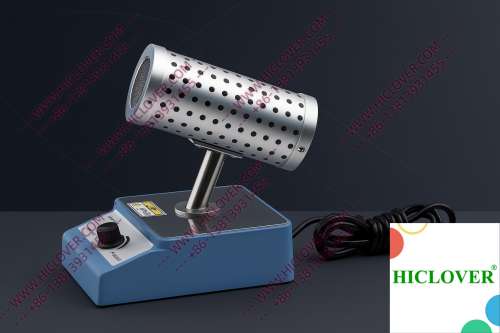
Application Scenarios in Real Labs
Effective sterilization techniques can have diverse applications across various laboratory environments. Below are two practical examples:
1. Biosafety Cabinets in Microbiology Labs
In BSL-2 and BSL-3 laboratories, where safety is paramount, operators often work with potentially pathogenic microorganisms. Utilizing a Micro Incinerator in these settings can meet strict safety guidelines by ensuring all inoculating loops and tools are thoroughly sterilized without introducing flames into a controlled environment. This not only accelerates workflows but also enhances biosafety by limiting contamination risks.
2. Field Testing and Teaching Labs
When it comes to mobile or field testing environments, researchers require sterilization methods that are portable yet effective. Infrared sterilizers provide a lightweight and easy-to-use solution for field researchers who must ensure equipment remains sterile during sampling and analysis. In educational settings, where students perform experiments, the Micro Incinerator allows for a safe and efficient learning environment, promoting proper sterilization practices among budding scientists.
Compliance and Environmental Considerations
Many laboratories must comply with standards set forth by organizations like the WHO regarding biosafety and sterilization procedures. The key compliance issues include:
In many urban centers, such as New York or London, universities and research institutes prioritize environmentally friendly sterilization methods, creating a demand for efficient, flame-free alternatives. Compliance with these regulations is essential for operating laboratory equipment safely while fulfilling biosafety requirements.
Micro Incinerator vs. Traditional Flame Sterilizers
| Feature | Micro Incinerator | Flame Burners |
|---|---|---|
| Sterilization Speed | Rapid | Moderate |
| Temperature Control | Precise & Consistent | Variable |
| Safety | Enclosed, no open flame | Open flame hazards |
| Environmental Compliance | Minimal emissions | Potentially polluting |
| Usability in Clean Rooms | Applicable | Not applicable |
Frequently Asked Questions
1. What is a Micro Incinerator, and how does it work?
A Micro Incinerator is a sterilization device that utilizes infrared heat to rapidly sterilize inoculating loops and other laboratory tools without flames. It works by generating high temperatures within an enclosed chamber, ensuring thorough sterilization.
2. Are infrared sterilizers safe for use in BSL-2 labs?
Yes, infrared sterilizers are designed for safe use in BSL-2 and BSL-3 settings as they eliminate risks associated with open flames, providing a safer environment for handling pathogens.
3. How does the Micro Incinerator compare to a Bunsen burner?
Compared to a Bunsen burner, a Micro Incinerator offers quicker sterilization, controlled temperature, and is cleaner for use in sterile environments, making it a superior choice for many laboratories.
4. Can this sterilizer be used in field conditions?
Absolutely! The Micro Incinerator is portable and lightweight, making it highly suitable for field testing where sterilization is imperative.
5. Where can I purchase a Micro Incinerator?
You can contact laboratory equipment distributors or visit specialized online retailers to find high-quality Micro Incinerators suitable for your laboratory needs.
Conclusion
Choosing the right sterilization heater is crucial for effective contamination control in your laboratory. The Micro Incinerator / Infrared Inoculating Loop Sterilizer not only meets the rapid sterilization demands of today’s labs but also addresses critical safety and compliance issues. Enhance your laboratory’s efficiency and safety by investing in advanced sterilization solutions today. For more information on high-quality Micro Incinerators and to discuss your specific requirements, please contact us or visit our website.
Categories:
Tags: