
As biosafety regulations tighten and laboratory workflows evolve, the challenges in sterilization practices have grown increasingly complex. Whether in BSL-2 or BSL-3 microbiology labs, clinical diagnostics, or university teaching labs, the need for effective sterilization without compromising safety is paramount. Traditional flame-based sterilizers, such as alcohol lamps and Bunsen burners, often yield risks of open flames and aerosol generation, making them less suitable for modern laboratory environments. Enter the micro incinerator, particularly the Infrared Inoculating Loop Sterilizer, which is transforming sterilization workflows across China.
Technical Principles Behind the Micro Incinerator
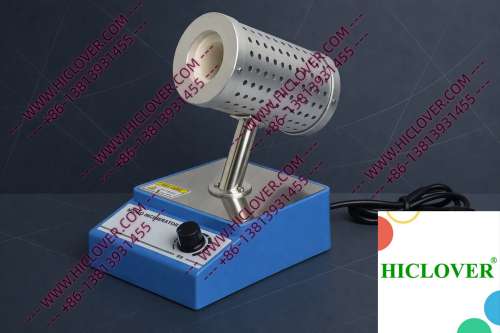
The Micro Incinerator operates using advanced infrared heat technology, providing rapid thermal sterilization within an enclosed ceramic tube. This design ensures that the heating element generates consistent high temperatures necessary for effective sterilization, while also maintaining safety and operational efficiency. Unlike traditional methods that involve flames, the infrared sterilizer leaves no open flame, significantly reducing the risks associated with combustion.
At the core of this innovative technology is a ceramic heating chamber that reaches temperatures exceeding 800°C almost instantaneously. This allows for the complete disinfection of inoculating loops, needles, and other laboratory implements in mere seconds, eliminating the risk of contamination and enabling clean-bench-safe handling.
Application Scenarios in Real Labs
Biosafety Cabinet Use
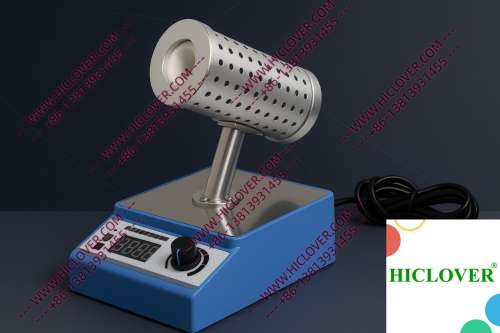
In BSL-2 and BSL-3 microbiology labs, the Micro Incinerator is often utilized within biosafety cabinets where aerosol-free handling is critical. Its compact form enables easy integration into existing workflows without taking up valuable bench space. When sterile instruments are required, users can insert their inoculating loops directly into the incinerator, achieving immediate sterilization while minimizing contamination risks to the workspace.
Field Testing and Research Applications
In mobile or field testing labs, the benefits of micro incinerators become even more pronounced. Provided with a portable power source, these sterilizers can be employed for immediate sterilization of tools in remote areas. Scientists conducting environmental tests or biomolecular research often encounter the need for quick sterilization without access to traditional facilities. The Infrared Inoculating Loop Sterilizer adeptly fills this gap by ensuring that biosafety measures are upheld even in the most challenging conditions.
Compliance and Environmental Responsibility
Compliance with global biosafety standards, such as those set forth by the WHO and local authorities, is imperative for modern laboratories. The Micro Incinerator not only meets but often exceeds rigorous lab sterilization standards. Its ability to achieve high-temperature disinfection without flame makes it ideal for clean rooms, where flammable materials are present.
Moreover, its compact size contributes significantly to sustainable waste management strategies, reflecting China’s commitment to environmentally friendly practices. As clean energy solutions become more integral to laboratory management, the adoption of such technologies aligns perfectly with the nation’s long-term sustainability goals.
Comparison: Micro Incinerator vs. Flame Burners
| Feature | Micro Incinerator | Flame Burners |
|---|---|---|
| Heating Method | Infrared | Open Flame |
| Time to Sterilization | Seconds | Minutes |
| Aerosol Generation | No | Yes |
| Risk Level | Low | High |
| Durability | High | Medium |
Advantages Over Traditional Flame Sterilizers
- Rapid Thermal Sterilization: Achieves effective sterilization within seconds.
- Enhanced Contamination Control: Prevents aerosol generation.
- Improved Safety: Eliminates the risks linked to open flames.
- Versatility: Suitable for various applications, including teaching labs and clinical diagnostics.
- Energy-efficient: Consumes less energy than traditional flame burners.
Frequently Asked Questions
1. What types of laboratory setups benefit most from micro incinerators?
Micro incinerators are particularly advantageous in biosafety cabinets, mobile field laboratories, and traditional teaching labs, where rapid and safe sterilization is required.
2. How does the micro incinerator comply with WHO biosafety standards?
The device operates without an open flame and achieves sterilization at high temperatures, ensuring adherence to established biosafety protocols.
3. Can the micro incinerator be used in anaerobic chambers?
Yes, the design allows for sterilization without compromising the anaerobic conditions required for specific cultures.
4. What training is necessary for operating a micro incinerator?
While training may vary based on institutional regulations, familiarization with the device’s controls and safety precautions is typically sufficient for effective operation.
5. Are there maintenance requirements for micro incinerators?
Regular checks of the heating element and ceramic tube are recommended to ensure optimal function and safety.
Conclusion
The introduction of micro incinerators into laboratory settings embodies a significant leap towards achieving sterile environments essential for biosafety and sustainability. With their operational efficiency, compact design, and low safety risk, the Infrared Inoculating Loop Sterilizer is set to become a staple in laboratories across China and beyond. For laboratory supply distributors, research centers, and educational institutions, investing in such advanced sterilization technology not only aligns with current compliance requirements but also reflects a commitment to forward-thinking, eco-friendly practices. If you’re interested in enhancing your laboratory sterilization process, consider integrating a Micro Incinerator into your workflow today!
Categories:
Tags: