
Laboratories worldwide face mounting challenges in waste disposal and sterilization due to the increasing complexity of laboratory workflows and the stringent biosafety standards in place. In a country like Israel, where innovation often meets necessity, micro incinerators have emerged as a practical solution for ensuring effective contamination control.
Why Micro Incinerators?
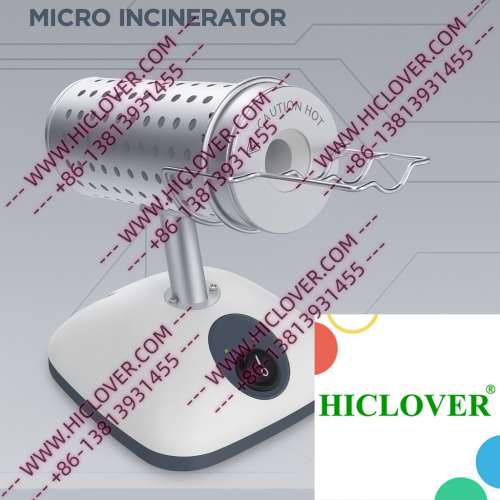
Micro incinerators, particularly Infrared Inoculating Loop Sterilizers, provide rapid thermal sterilization while enhancing lab safety and compliance. Unlike traditional flame sterilizers such as Bunsen burners or alcohol lamps, micro incinerators operate using contained infrared heat, which eliminates the risk of open flames in sensitive environments. This innovation is crucial for labs adhering to strict biosafety standards, such as those set by the WHO.
Technical Principles of Micro Incinerators
The core technology behind micro incinerators is centered around a ceramic heating chamber that generates infrared heat. This high-temperature disinfection process utilizes an enclosed ceramic tube, enabling efficient sterilization of inoculating loops and other small implements without aerosol generation typically associated with traditional flame methods.
- Rapid heating and cooling cycles for efficient use
- Designed for aerosol-free handling, minimizing contamination risk
- Durable ceramic design suitable for repetitive use in sterile conditions
Applications in Real Labs
Biosafety Cabinets
Micro incinerators are particularly valuable in BSL-2 and BSL-3 microbiology labs, where safety protocols are paramount. Inside biosafety cabinets, researchers can utilize micro incinerators to sterilize tools without leaving the defined safe space, thus maintaining the integrity of the sterile environment while performing safe manipulations and procedures.
Field Testing Labs
Field testing labs, particularly those operating in remote regions or disaster-stricken areas in Israel, benefit significantly from micro incinerators. These compact devices allow for field-sterilization of equipment, streamlining processes without requiring a bulky setup. They serve as vital tools for mobile diagnostics, enabling researchers to ensure contamination control even in challenging settings.
Compliance and Environmental Considerations
Adhering to laboratory sterilization standards is crucial for institutions, particularly in laboratories handling pathogens and clinical specimens. The WHO biosafety guidelines underscore minimizing risks of spillages and contamination, advocating for the adoption of devices that eliminate potentially hazardous flames. Micro incinerators meet these guidelines by providing safer, flame-free sterilization options.
“In clean-room environments, traditional flame sterilizers are not permissible due to the high risks associated with establishing open flames. Micro incinerators offer a safe, compliant alternative.” – Laboratory Safety Expert
Comparison of Micro Incinerators and Traditional Flame Sterilizers
| Feature | Micro Incinerator | Flame Sterilizer |
|---|---|---|
| Open Flame | No | Yes |
| Heating Source | Ceramic Infrared | Alcohol/Bunsen |
| Ease of Use | Automated | Manual |
| Aerosol Generation | No | Yes |
| Compliance with Clean Room Standards | High | Low |
FAQs
What are micro incinerators typically used for?
Micro incinerators are primarily used for rapid sterilization of small laboratory tools, including inoculating loops and needles, in environments where contamination control is critical.
Are micro incinerators safe to use in clean rooms?
Yes, micro incinerators are specifically designed to operate safely in clean rooms, eliminating the risk of open flames and maximizing sterilization efficiency.
How do micro incinerators compare to traditional flame sterilizers in terms of efficiency?
Micro incinerators offer higher efficiency in sterilizing tools due to their rapid heating and cooling cycles compared to traditional flame sterilizers.
Do micro incinerators have specific maintenance requirements?
While micro incinerators require minimal maintenance, regular checks of the ceramic heating element and calibration of the settings are recommended to ensure optimal performance.
Can micro incinerators be used in field applications?
Absolutely! Micro incinerators are well-suited for field applications, providing reliable sterilization options in non-traditional laboratory settings.
Conclusion
Micro incinerators are proving to be invaluable for laboratories in Israel looking to enhance their sterilization workflows while staying compliant with biosafety regulations. By transitioning to this innovative equipment, laboratories can not only improve safety protocols but also streamline their operations. If you are considering integrating micro incinerators into your lab, feel free to contact us for more information or to make a purchase.
Categories:
Tags: