
In today’s laboratories, stringent biosafety challenges and sterilization workflow demands are ever-present. With the rise of contamination control practices, particularly in Austrian laboratories, the need for efficient and rapid sterilization methods has never been clearer. Traditional methods like alcohol lamps and Bunsen burners are gradually being phased out in favor of modern solutions such as micro incinerators and infrared inoculating loop sterilizers.
Understanding Micro Incinerators
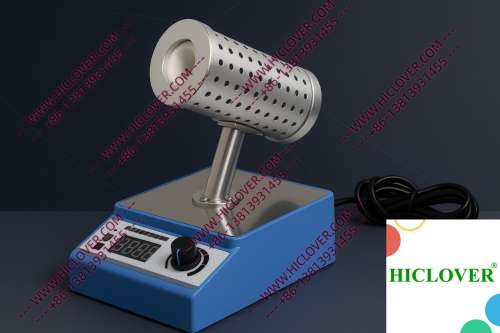
Micro incinerators function on a fundamental principle of rapid thermal sterilization. Utilizing infrared heat generated within an enclosed ceramic tube, these devices ensure high-temperature disinfection that is both reliable and efficient. The infrared technology allows the heating element to reach temperatures adequate for sterilization without the open flame present in traditional methods. This feature not only enhances the safety of laboratory environments, particularly in clean-bench applications, but also provides a more controlled sterilization process.
Technical Configuration
The design of a micro incinerator typically includes a ceramic heating chamber that can achieve temperatures exceeding 800°C. This configuration enables the quick incineration of biohazardous waste and inoculating loops, providing a clean, aerosol-free environment. By eliminating the risk of flame-related hazards, these devices are particularly valuable in sensitive areas such as BSL-2 and BSL-3 microbiology labs, clinical diagnostics, and educational institutions.
Application Scenarios in Real Laboratories
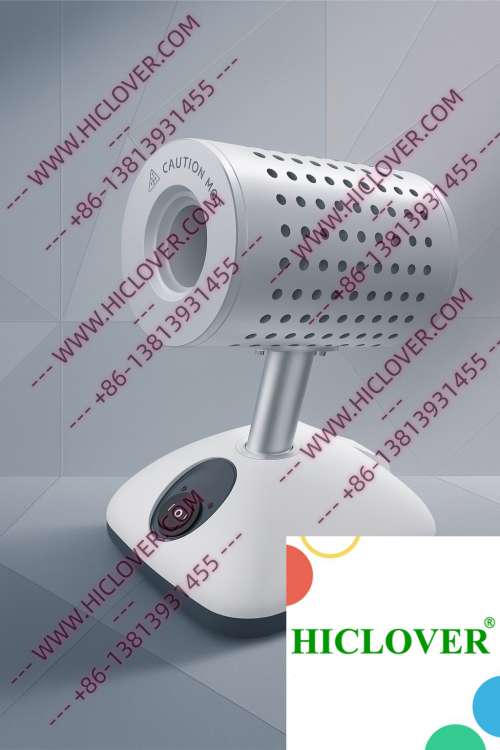
Application 1: Teaching Labs at Universities
In university teaching laboratories, where students learn biosafety practices and microbial techniques, micro incinerators play a crucial role. Instead of traditional flame sterilizers, educators can utilize these advanced sterilizers to demonstrate proper inoculation techniques while maintaining a clean environment. Students benefit from hands-on experience with high-tech sterilization processes, better preparing them for careers in research and diagnostic labs.
Application 2: Field Testing Labs
In field testing scenarios, where accessibility and safety are paramount, micro incinerators provide an efficient solution for sterilizing tools and samples on-site. For example, in mobile laboratories set up for environmental monitoring, the ability to sterilize equipment quickly without the need for bulky and hazardous fuel sources allows technicians to focus on data collection and analysis, ensuring prompt and accurate results.
Compliance and Environmental Considerations
Adhering to established biosafety standards is critical in all laboratory settings. The World Health Organization (WHO) has set forth guidelines emphasizing the importance of proper sterilization methods to prevent cross-contamination and ensure worker safety. Micro incinerators align perfectly with these safety regulations, providing a compliant way to sterilize loops and tools without the dangers associated with flames. Their safe operation in clean rooms further underscores their effectiveness in reducing contamination risks.
Comparative Analysis: Micro Incinerator vs. Flame Sterilizers
| Feature | Micro Incinerator | Flame Sterilizer |
|---|---|---|
| Temperature Control | Precise, adjustable | Variable, often uncontrolled |
| Safety | No open flame, reduced risk | High risk of burns and contamination |
| Efficiency | Rapid sterilization | Time-consuming, requires practice |
| Portability | Compact, easy to transport | Requires additional fuel source |
| Aerosol Generation | None | Potential aerosol generation |
Frequently Asked Questions About Micro Incinerators
- What is the primary advantage of using a micro incinerator for sterilization? The primary advantage is its ability to provide rapid and efficient sterilization without the hazards associated with open flames.
- Are micro incinerators compliant with WHO biosafety standards? Yes, micro incinerators are designed to align with WHO guidelines, ensuring safe sterilization practices.
- Can micro incinerators be used in field settings? Absolutely! They are ideal for mobile or field testing laboratories due to their compact size and efficient operation.
- How do micro incinerators improve laboratory workflows? By eliminating the time-consuming nature of flame sterilization, these devices streamline workflows, allowing for more focus on experiments.
- Are there any special safety considerations for using micro incinerators? While safer than traditional methods, it is still necessary to follow standard lab practices and ensure proper maintenance of the device.
Conclusion
The efficiency, safety, and compliance advantages of micro incinerators make them a necessity in modern laboratory environments, particularly in regions like Austria where biosafety is paramount. By investing in a Micro Incinerator or Infrared Inoculating Loop Sterilizer, laboratories can enhance their sterilization workflows and ensure the highest safety standards. For more information or to make a purchase, contact us today to realize the full benefits of these cutting-edge sterilization devices.
Categories:
Tags: