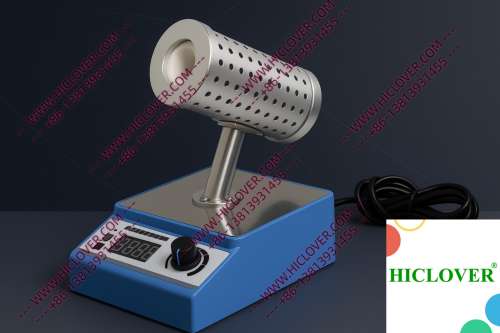
In today’s highly regulated bioscience environments, laboratory sterilization poses significant challenges, particularly in urban areas like Prague and Brno. With a growing focus on biosafety in laboratories, there’s an escalating need for effective sterilization solutions that not only adhere to standards but also enhance laboratory workflow. One such solution is the Micro Incinerator, specifically designed for rapid thermal sterilization.
The Role of Infrared Technology in Sterilization
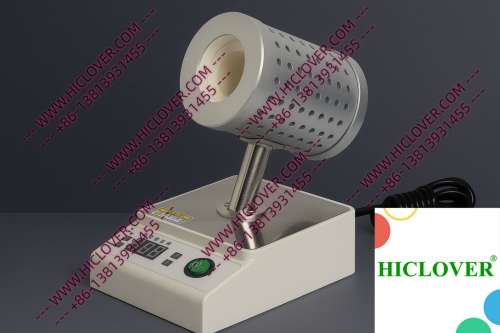
The underlying principle of micro incineration is simple yet effective: it employs infrared heat within a closed ceramic chamber to achieve high-temperature disinfection. This technology effectively eradicates biological contaminants while minimizing the risk of aerosol generation, making it ideal for sensitive environmental conditions. Unlike traditional flame sterilizers such as alcohol lamps or Bunsen burners, the infrared sterilizer provides clean, efficient, and precise thermal energy that ensures enhanced contamination control.
Key Features of the Micro Incinerator
- Rapid Thermal Sterilization: Achieves high temperatures almost instantaneously.
- Contamination Control: Reduces the risk of aerosols and flame-related hazards in sensitive areas.
- Compact and Portable: Can be easily integrated into laboratory spaces without requiring extensive modifications.
- Versatility: Suitable for various applications, including BSL-2 and BSL-3 microbiology labs, clinical diagnostics, and university teaching setups.
Application Scenarios in Laboratory Settings
1. Biosafety Cabinets
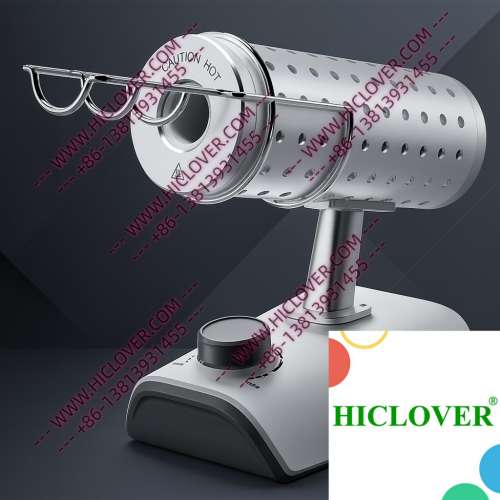
In numerous BSL-2 and BSL-3 laboratories across the Czech Republic, micro incinerators have become indispensable. Within biosafety cabinets, researchers can quickly sterilize inoculating loops without the risk of flame hazards. The micro incinerator’s enclosed design ensures that any flames do not pose a safety threat, thereby allowing for a sterile workflow that is critical when handling pathogens.
2. Teaching Laboratories
In educational institutions, the Micro Incinerator serves a dual function: it fosters a learning environment rich in safety protocols while equipping students with necessary skills in biosafety. In these teaching labs, the Infrared Inoculating Loop Sterilizer allows students to observe and participate in sterilization processes without the complexities associated with flame sterilizers. They can focus on practical applications knowing they are learning in a compliant and safe environment.
Compliance and Environmental Standards
Adhering to biosafety standards is critical for laboratories, and the Micro Incinerator aligns perfectly with WHO biosafety guidelines. Additionally, adherence to laboratory sterilization standards is crucial, especially in cleanroom environments where the absence of flame is a necessity. This atmospheric control ensures that laboratories remain contamination-free while maintaining operational efficiency.
“Utilizing a Micro Incinerator meets the stringent sterilization compliance needed in urban Czech laboratory settings, aligning with both local and international standards.”
Benefits of Micro Incinerators Over Traditional Flame Sterilizers
| Feature | Micro Incinerator | Flame Sterilizer |
|---|---|---|
| Heat Source | Infrared | Open Flame |
| Safety | Low risk of aerosol generation | High hazard due to flames |
| Speed | Instantaneous heat-up | Requires ignition time |
| Control | Precise temperature regulation | Uncontrolled heating |
FAQs About Micro Incinerators
1. What is a Micro Incinerator and how does it work?
A Micro Incinerator uses infrared heat to rapidly sterilize inoculating loops and other instruments by efficiently destroying biological contaminants within a closed heating chamber.
2. Why should I choose a Micro Incinerator over a traditional flame sterilizer?
Micro Incinerators offer superior safety, speed, and contamination control, making them ideal for sensitive laboratory environments.
3. Are Micro Incinerators compliant with WHO biosafety standards?
Yes, Micro Incinerators meet WHO biosafety guidelines, offering a reliable option for sterilization in various laboratory settings.
4. Can I use a Micro Incinerator in field tests?
Absolutely! Many portable models are designed for mobile laboratory setups, allowing for effective sterilization in field testing scenarios.
5. How does micro incineration improve laboratory workflow?
Micro incineration enhances laboratory workflow by providing quick sterilization methods, thereby reducing downtime associated with traditional flame sterilization.
Conclusion: Elevate Your Laboratory Standards Today
As urban Czech laboratories continue to evolve, adopting innovative and efficient sterilization methods like the Micro Incinerator can significantly enhance safety and workflow processes. Whether you are operating within a BSL-2 microbiology lab, an educational institution, or a clinical diagnostics setting, this technology meets critical biosafety requirements and promotes a safer working environment. For further inquiries and to explore high-quality Micro Incinerator options, please don’t hesitate to reach out to us.
Categories:
Tags: