
In the rapidly advancing world of laboratory science, maintaining biosafety and ensuring effective sterilization are paramount. Laboratories in Qatar face various challenges when it comes to biosafety; from contamination control in clinical diagnostics to the educational needs in university teaching labs. Among the solutions to these challenges, Micro Incinerators, particularly Infrared Inoculating Loop Sterilizers, have emerged as a clean, efficient option that aligns with Qatar’s sustainability goals.
Understanding Micro Incinerators and Their Technical Principles
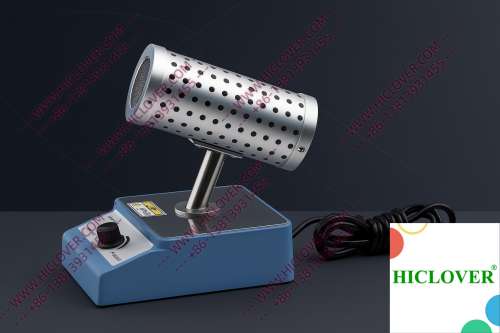
Micro Incinerators utilize infrared heat to achieve rapid thermal sterilization. Unlike traditional flame sterilizers, which can introduce contaminants through open flames, these devices employ a ceramic heating chamber that provides enclosed, high-temperature disinfection. The infrared technology ensures efficient heat transfer to inoculating loops and other tools used in sensitive laboratory environments, allowing for aerosol-free handling.
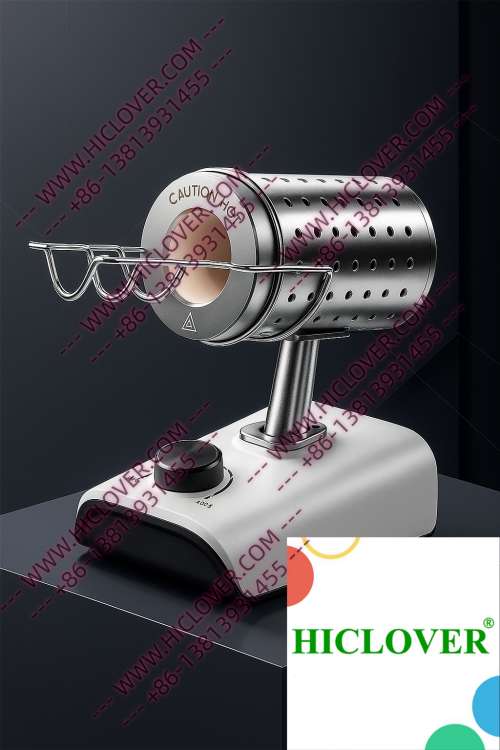
The configuration of a typical Micro Incinerator includes an easily replaceable ceramic tube that houses the heating element. This design not only ensures safety but also facilitates user-friendly operation, making it suitable for various laboratory settings. The absence of flames makes it inherently safer for use in clean areas, ensuring compliance with biosafety regulations.
Application Scenarios in Real Labs
- Biosafety Cabinet Usage: In BSL-2 and BSL-3 microbiology labs, where the risk of airborne pathogens is prevalent, Micro Incinerators can be utilized within biosafety cabinets. Their compact design and efficient sterilization capabilities allow for seamless integration into sterile workflows without compromising safety.
- Field Testing Operations: Mobile or field testing labs can also benefit from Micro Incinerators. During environmental samples collection or clinical testing in remote locations, portability and reliability are critical. The compact size and robustness of these tools make them ideal for outdoor conditions, ensuring researchers can effectively sterilize their equipment on-the-go.
- Zero flame operation, crucial for laboratories such as clean rooms
- Adherence to lab sterilization standards, ensuring effective disinfection
- Environmentally friendly operation, reducing the need for alcohol or combustible materials commonly used in traditional flame sterilizers
- What are the advantages of using a Micro Incinerator over traditional sterilizers? Micro Incinerators provide rapid sterilization, reduced risk of contamination, and improved safety due to their enclosed flame-free operation.
- Can Micro Incinerators be used in teaching labs? Yes, they are ideal for university teaching labs, allowing students to safely practice sterilization techniques without the risks associated with flame sterilizers.
- Are Micro Incinerators compliant with WHO biosafety standards? Absolutely, they meet the current lab sterilization standards, ensuring that they can be safely used in various biosafety settings.
- How do Micro Incinerators contribute to sustainability in laboratories? By replacing traditional alcohol and flame sterilization methods, they reduce environmental impact and support energy-efficient practices.
- What maintenance is required for a Micro Incinerator? Minimal maintenance is needed; typically, users should regularly check the ceramic tube and heating element for wear and replace them as necessary.
Compliance and Environmental Stewardship
The World Health Organization (WHO) stipulates strict biosafety regulations for laboratories engaged in testing and research. Compliance with these guidelines means adopting sterilization methods that minimize risk while maximizing efficacy. Micro Incinerators fulfill these requirements by offering:
As Qatar emphasizes sustainability within its national vision, the implementation of energy-efficient technologies such as Micro Incinerators reflects a commitment to environmental responsibility. The transition from traditional sterilization methods not only enhances safety but also aligns with global sustainability initiatives.
Micro Incinerator vs. Traditional Flame Sterilizers
| Feature | Micro Incinerator | Flame Sterilizers |
|---|---|---|
| Safety | Zero flame, no risk of burns or ignitions | Open flame poses serious hazards |
| Efficiency | Rapid thermal sterilization | Variable heat distribution, longer sterilization times |
| Contamination Control | Enclosed ceramic tube, reduced contamination risk | Aerosol generation, potential contamination |
| Environment Impact | Eco-friendly, no alcohol required | Uses combustible materials, environmentally taxing |
Frequently Asked Questions (FAQs)
Conclusion: Advancing Laboratory Practices in Qatar
As laboratory science continues to evolve, the integration of tools like Micro Incinerators is becoming essential in striving for biosafety and sustainability. Their advantages, particularly in critical environments such as BSL-2/BSL-3 labs and teaching facilities, underline the importance of adopting newer technologies. For laboratory supply distributors, hospitals, and research institutes in Qatar, embracing Micro Incinerators can lead to enhanced efficiency, compliance with safety standards, and a commitment to a sustainable future. If you’re considering upgrading your sterilization practices, reach out today to learn more about our range of Micro Incinerators.
Categories:
Tags: