
In the ever-evolving landscape of laboratory biosafety, the challenges associated with sterilization workflows have become increasingly critical, particularly in regions like Addis Ababa. Hospitals and laboratories tasked with handling medical waste must adopt solutions that not only ensure effective sterilization but also adhere to environmental standards. The introduction of micro incinerators, specifically the Infrared Inoculating Loop Sterilizer, presents a promising solution to these contemporary issues, paving the way for a cleaner, more efficient future in medical waste disposal.
Practical Laboratory Biosafety Challenges
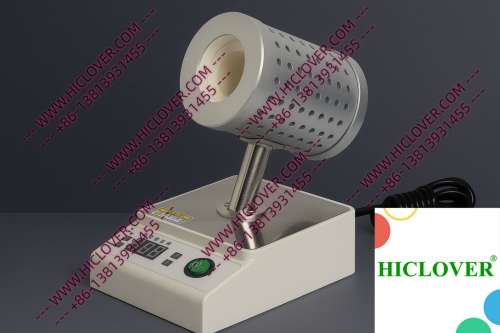
Laboratories, especially those operating under BSL-2 and BSL-3 conditions, face stringent protocols every day. Traditional flame sterilizers, such as alcohol lamps and Bunsen burners, while widely used, pose significant contamination risks. Their open flames can lead to aerosol dispersal, which is particularly concerning in a clinical diagnostics setting. As laboratories in Addis Ababa expand and evolve, the need for rapid thermal sterilization technologies that prioritize biosafety is paramount.
Technical Principles of Micro Incinerators
The Infrared Inoculating Loop Sterilizer revolutionizes the way bacterial inoculation is performed. Utilizing infrared heat, these state-of-the-art units provide enclosed ceramic tubes that generate high temperatures for rapid sterilization. The enclosed design translates to greatly reduced risks of fire hazards as well as effective disinfection without the need for open flames or additional alcohol-based products.
The advantages of using infrared technology are numerous, including:
- Rapid Sterilization: Infrared heat can reach effective sterilization temperatures quickly, ensuring minimal downtime in laboratory workflows.
- Contamination Control: The closed design prevents cross-contamination, making it particularly suitable for clean environments.
- Aerosol-Free Handling: Unlike flame sterilizers, the micro incinerator’s design minimizes aerosol generation, essential for maintaining a safe laboratory atmosphere.
Applications in Real Labs
1. Biosafety Cabinets
In BSL-2 microbiology labs, maintaining biosafety is non-negotiable. The Infrared Inoculating Loop Sterilizer fits seamlessly into biosafety cabinets, allowing lab technicians to efficiently sterilize inoculating loops and other small instruments without risking contamination. This not only protects laboratory personnel but also ensures integrity during sensitive experiments.
2. Field Testing Laboratories
Mobile laboratories engaged in field testing benefit significantly from the compact and portable design of micro incinerators. The ability to sterilize equipment on-site generates greater efficiency in studies, particularly in remote areas where traditional sterilization means are impractical. This adaptability demonstrates the versatility of the Infrared Inoculating Loop Sterilizer, enhancing efficacy in real-world conditions.
Compliance and Environmental Considerations
Adhering to compliance regulations set forth by the World Health Organization (WHO) is crucial for healthcare facilities worldwide, including those in Addis Ababa. These standards emphasize not only effective sterilization but also the importance of maintaining cleanliness and safety within laboratory environments. Automated engineering solutions like the micro incinerator correspond with these requirements, effectively enabling hospitals to:
- Maintain a sterile environment free from aerosols.
- Eliminate the use of flammable materials in clean rooms.
- Ensure adherence to international lab sterilization standards.
By incorporating cutting-edge sterilization technologies, Addis Ababa’s hospitals will not only boost operational efficiency but also contribute positively to environmental sustainability efforts.
Comparison of Micro Incinerator vs. Traditional Flame Sterilizers
| Feature | Micro Incinerator | Flame Sterilizers |
|---|---|---|
| Heat Source | Infrared Enclosed | Open Flame |
| Risk of Aerosols | Minimal | High |
| Temperature Control | Automatic | Manual |
| Space Efficiency | Compact | Requires more area |
FAQs
What are micro incinerators used for in hospitals?
Micro incinerators are employed in hospitals primarily for the sterilization of laboratory equipment, such as inoculating loops and other small instruments, ensuring effective disinfection while maintaining safety standards.
How do micro incinerators improve lab safety?
The enclosed design of micro incinerators dramatically reduces the risk of aerosol generation and potential cross-contamination, thereby fostering a safer laboratory environment.
Are micro incinerators environmentally friendly?
Yes, these devices contribute to environmentally friendly practices by reducing the need for chemical sterilants and flammable materials, aligning with WHO biosafety standards.
Can micro incinerators be used in field testing environments?
Absolutely! Their compact design and efficient sterilization capabilities make them ideal for mobile laboratories and field testing situations.
How long does sterilization take with an infrared inoculating loop sterilizer?
Typically, sterilization is achieved within a few seconds, significantly enhancing productivity compared to traditional methods.
Conclusion: Embrace the Future of Sterilization
As Addis Ababa’s medical facilities strive to enhance their laboratory capacities, the adoption of micro incinerators like the Infrared Inoculating Loop Sterilizer signifies a pivotal advancement in maintaining biosafety and operational efficiency. Transitioning to these advanced sterilization technologies not only fulfills compliance requirements but also fosters a cleaner, greener future in medical waste management. For further information or to explore purchase options, feel free to contact our team. Together, we can optimize your lab’s sterilization processes.
Categories:
Tags: