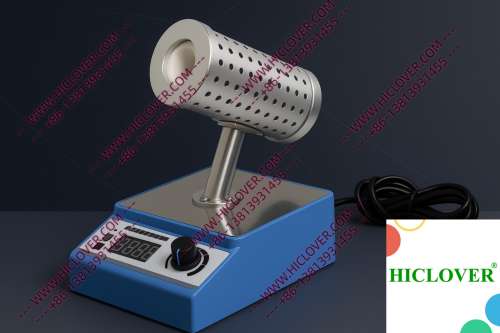
In the realm of veterinary pathology, the need for effective sterilization methods is paramount. Laboratories face myriad biosafety challenges, particularly when it comes to maintaining a contaminant-free environment. The sterile processing of samples is not just about compliance; it directly impacts research outcomes, diagnostic accuracy, and the overall safety in laboratories. This is where micro incinerators, specifically the Infrared Inoculating Loop Sterilizer, emerge as indispensable tools.
Practical Laboratory Biosafety Challenges
One of the most pressing concerns in veterinary pathology labs is ensuring that all microbiological samples are handled and processed in a sterile way. Traditional methods, such as using alcohol lamps and Bunsen burners, not only introduce flame hazards but can also produce aerosols that contaminate the surrounding environment. As labs increasingly adopt protocols aligned with WHO biosafety guidelines, the limitations of flame-based sterilization methods become more apparent.
Moreover, laboratory technicians often face a steep learning curve with flame sterilizers, which can pose safety risks, especially for inexperienced personnel. In contrast, micro incinerators streamline the sterilization workflow by employing cutting-edge technology that is both practical and user-friendly.
The Technical Principles of Micro Incinerators
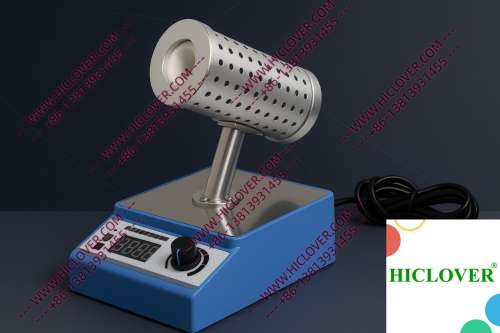
Micro incinerators utilize infrared heat to attain rapid thermal sterilization without an open flame, significantly reducing the risks associated with traditional flame-based sterilizers. The enclosed ceramic tube in devices like the Infrared Inoculating Loop Sterilizer ensures that temperatures reach above 800°C in mere seconds, effectively eliminating all forms of microbial life, including bacteria, viruses, and spores.
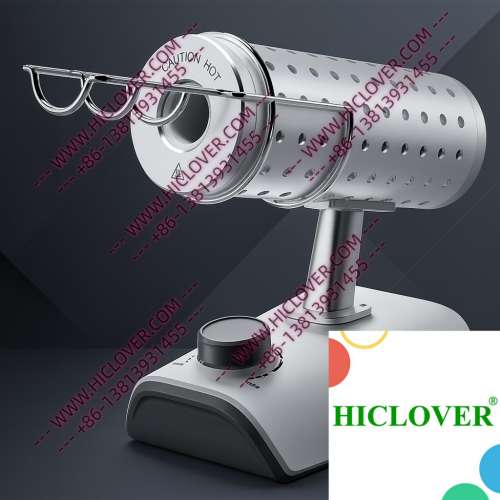
These devices are designed to be clean-bench-safe, making them ideal for installation within biosafety cabinets or cleanrooms. The infrared heating technology allows for a quick, efficient, and consistent sterilization process, providing laboratory personnel with a reliable method to ensure contamination control.
Applications in Real Labs
1. Biosafety Cabinets
In high-containment research facilities, such as BSL-2 and BSL-3 laboratories, adhering to stringent sterilization protocols is crucial. Micro incinerators can be integrated easily into existing biosafety cabinets, allowing for safe and effective sterilization of inoculating loops, spatulas, and other laboratory instruments directly within the sterile environment. This setup minimizes the risk of exposure to microbes and ensures that sterile tools are always at hand for delicate procedures.
2. Field Testing
Mobile laboratories conducting field tests in veterinary diagnostics often require portable and efficient sterilization solutions. Micro incinerators are lightweight and can be operated with minimal power, making them ideal for field use. When working with animals in remote settings or during outbreak investigations, the opportunity to utilize rapid sterilization directly at the site can drastically reduce the risk of contamination and improve sample integrity.
Compliance and Environmental Considerations
As laboratory sterilization standards tighten, compliance with regulatory agencies like the WHO becomes increasingly important. Traditional flame sterilizers release harmful vapors and aerosols, which are especially concerning in cleanroom environments. In contrast, micro incinerators incorporate closed systems that do not produce such emissions, aligning with environmental safety guidelines.
In addition, micro incinerators contribute to the global shift towards more sustainable laboratory practices. Their efficient, low-energy consumption and reduced waste generation help maintain compliance with international biosafety protocols while promoting eco-friendliness. Laboratories in urban areas like San Francisco or New York City are increasingly turning to these sterile solutions to comply with state regulations on laboratory emissions and waste.
Comparison Table: Micro Incinerator vs. Flame Burners
| Features | Micro Incinerator | Flame Sterilizer |
|---|---|---|
| Operating Temperature | Up to 800°C | Varies; generally <600°C |
| Flame Type | No flame | Open flame |
| Contamination Risk | Aerosol-free | Higher risk |
| Portability | Highly portable | Less portable |
| Ease of Use | User-friendly | Requires training |
FAQs about Micro Incinerators
- What is a micro incinerator?
A micro incinerator is a sterilization device that uses infrared heat to rapidly eliminate biological contaminants from laboratory instruments without the need for an open flame. - How does an infrared inoculating loop sterilizer work?
The device generates high temperatures using infrared technology within an enclosed ceramic tube, ensuring effective sterilization in just seconds. - Can micro incinerators be used in biosafety cabinets?
Yes, they are designed for safe operation within biosafety cabinets, minimizing contamination risks in sterile environments. - Are micro incinerators environmentally friendly?
Yes, they produce no harmful emissions like traditional flame sterilizers and promote more sustainable laboratory practices. - What are the advantages of using a micro incinerator over a flame sterilizer?
Advantages include rapid sterilization, aerosol-free operation, reduced contamination risks, and ease of use.
Conclusion
In the evolving landscape of veterinary pathology laboratories, the transition from traditional flame sterilizers to micro incinerators presents a marked improvement in both safety and efficiency. As sterilization technology continues to advance, investing in cutting-edge devices like the Infrared Inoculating Loop Sterilizer not only ensures compliance with stringent standards but also significantly enhances workflow in modern laboratories.
For those looking to elevate their laboratory’s sterilization capabilities, consider reaching out to us today regarding our high-quality micro incinerators tailored for your needs. Together, let’s foster cleaner, safer laboratory environments for better health outcomes!
Categories:
Tags: