
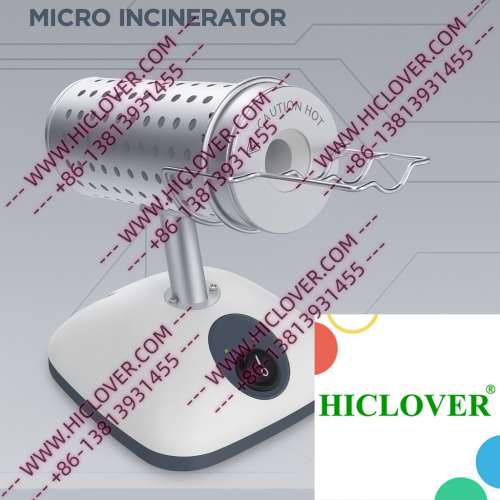
In the bustling city of Delhi, the challenge of waste disposal has reached critical levels, with conventional methods proving insufficient in handling the ever-increasing volume of waste. As a response, the Clean City Initiative emerged, aiming to deploy innovative solutions that not only address waste management but also prioritize public health. One of the key technologies at the forefront of this initiative is the portable Micro Incinerator, specifically the Infrared Inoculating Loop Sterilizer. This advancement is not only changing waste management practices but also redefining laboratory sterilization standards.
Laboratory Biosafety Challenges and Sterilization Workflow Demands
Laboratories around the world, particularly those in urban areas like Delhi, often grapple with biosafety challenges ranging from potential contamination to stringent sterilization workflow requirements. In settings like BSL-2 and BSL-3 microbiology labs, ensuring that all tools and materials are free from microorganisms is paramount. Traditional sterilization methods, such as alcohol lamps and Bunsen burners, pose risks of open flames in clean environments. This creates a pressing need for safe, efficient alternatives.
Technical Principles of Micro Incinerators
The Micro Incinerator utilizes advanced infrared heating technology, which provides rapid thermal sterilization through an enclosed ceramic heating chamber. Unlike traditional flame sterilizers, the Micro Incinerator operates without flames, making it safe for use in clean rooms and ensuring that sterilization is accomplished with minimal risk of aerosol generation.
Key Features:
- Rapid thermal sterilization up to 800°C
- Safety through non-flame operation
- Low energy consumption
- Compact and portable design
- Versatile applications across various lab environments
Applications of Micro Incinerators in Laboratories
Micro Incinerators are increasingly becoming a preferred choice in diverse laboratory environments. Below are a couple of pivotal applications:
1. University Teaching Labs
In educational institutions, particularly in microbiology and biology courses, effective sterilization is crucial. The Micro Incinerator has proven to be an excellent tool for teaching labs, allowing students to safely sterilize inoculating loops and other tools without the hazards associated with flames. This ensures that students can focus on learning proper techniques in a safe environment, adhering to modern biosafety standards.
2. Field Testing Laboratories
Field testing labs, often deployed in response to environmental health crises or disease outbreaks, must rapidly sterilize equipment to prevent contamination. The portability and efficiency of the Micro Incinerator allow it to excel in such settings. Technicians can easily transport the device to various locations, performing sterilization on-site without the need for a conventional laboratory setup, thus enhancing operational efficiency during critical times.
Compliance with Biosafety and Laboratory Sterilization Standards
The introduction of Micro Incinerators aligns closely with WHO biosafety guidelines, emphasizing the importance of effective sterilization methods that prevent cross-contamination. In clean rooms and controlled environments, where no flame is preferred, these devices offer a compliant solution that meets international laboratory sterilization standards.
Biosafety Compliance Reference
| Feature | Micro Incinerator | Traditional Flame Sterilizers |
|---|---|---|
| Operating Temperature | Up to 800°C | Varies; typically around 500°C |
| Flame Risk | No | Yes |
| Energy Efficiency | High | Medium |
| Portability | High | Low |
FAQs about Micro Incinerators
What are Micro Incinerators used for in laboratories?
Micro Incinerators are primarily used for rapid sterilization of inoculating loops, needles, and other lab tools to prevent contamination and ensure biosafety.
How does a Micro Incinerator achieve effective sterilization?
It uses infrared heat within a ceramic tube to provide high-temperature disinfection, eliminating microorganisms rapidly without producing flames.
Where can Micro Incinerators be deployed effectively?
They are effective in various settings, including university teaching labs, clinical diagnostics, field testing laboratories, and mobile lab environments due to their portability.
Are Micro Incinerators compliant with international lab safety standards?
Yes, they meet WHO biosafety guidelines and other international sterilization standards, making them suitable for use in critical and clean environments.
Why are Micro Incinerators preferred over traditional sterilizers?
Micro Incinerators are safer, more efficient, and do not pose the risks associated with open flames, making them ideal for contemporary laboratory practices.
Conclusion
The Clean City Initiative in Delhi is not only pivotal for improving urban waste management but also serves as a field testing ground for innovative laboratory solutions like the Micro Incinerator. By investing in this advanced sterilization technology, institutions can significantly enhance their biosafety protocols while contributing positively to the environment. For those looking to modernize their laboratory practices and ensure compliance with international standards, the Infrared Inoculating Loop Sterilizer is a game-changer. Contact us today to learn more about integrating this revolutionary tool into your workflow and improving your waste disposal methods.
Categories:
Tags: