
As laboratories across Portugal grapple with the increasing demand for biosafety, efficient sterilization has never been more critical. Ensuring sterility while minimizing contamination risks is a primary concern for laboratory personnel. Traditional sterilization methods, which often employ flame-based systems such as Bunsen burners or alcohol lamps, can pose significant hazards, including the risk of burns, toxic fumes, and uncontained aerosols. The introduction of innovative solutions like the Micro Incinerator or Infrared Inoculating Loop Sterilizer offers a sustainable path forward.
Understanding the Technical Principles
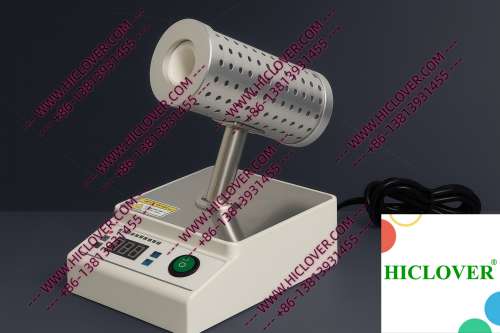
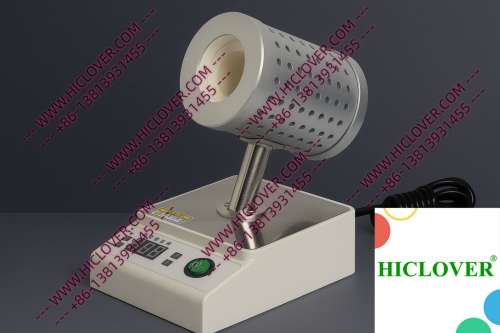
The Micro Incinerator operates on the principle of rapid thermal sterilization, employing an enclosed ceramic chamber that utilizes infrared heat to achieve high temperatures. This unique design allows for efficient sterilization while preventing aerosol generation—a crucial factor in biodefense and infection control protocols. The infrared heating technology provides targeted heat without open flames, making it an excellent choice for cleanrooms and sensitive laboratory environments, including BSL-2 and BSL-3 microbiology labs.
Why Choose Infrared Sterilization?
Unlike traditional flame sterilizers, the Micro Incinerator does not add additional variables to your sterilization workflow. Traditional methods can create uncontrolled temperatures, leading to incomplete sterilization or the destruction of sensitive materials. The Micro Incinerator ensures consistent and reliable sterilization results, reducing the chances of contamination during critical experiments. Below are the advantages of using the Micro Incinerator compared to conventional flame sterilizers:
- Enhanced Safety: No open flames eliminate the risk of burns.
- Eco-Friendly: Uses less energy and produces no harmful emissions.
- Contamination Control: Prevents aerosolized pathogens from escaping.
- Rapid Sterilization: Achieves sterilization in mere seconds.
- Durability: Designed with high-quality materials for longevity.
Applications in Real-World Laboratories
Let’s explore the various applications where the Micro Incinerator can be transformative for laboratory settings.
1. Teaching Laboratories
In university teaching labs, educators emphasize the importance of biosafety among students. Incorporating the Micro Incinerator allows instructor-led demonstrations of aseptic techniques without the risk of flame. Students can perform experiments involving microbial cultures with confidence, knowing that they are using a safe and effective sterilization method. Additionally, its portability makes it easy to transfer between laboratory stations, allowing for versatile teaching setups.
2. Field Testing Labs
Mobile and field testing laboratories often encounter challenges related to remote locations and restricted access to electricity. The Micro Incinerator’s lightweight design and independent operation using battery options make it an ideal tool for field scenarios involving environmental sampling or quick diagnostic tests outside traditional lab environments. Operators can safely sterilize inoculating loops and other instruments on-site, ensuring samples remain uncontaminated and results reliable.
Compliance and Environment Considerations
Adhering to biosafety standards is essential in the laboratory environment. The World Health Organization (WHO) promotes stringent sterilization protocols, highlighting the necessity of controlling potential contaminants within microbiological studies. The Micro Incinerator aligns with multiple laboratory sterilization standards by eliminating flame usage in clean room settings, ensuring compliance with ISO 15223-1—regulating the labeling of medical devices. By integrating this innovative sterilization method, laboratories can effectively control potential biohazards while promoting environmental responsibility.
“Effective sterilization must balance safety with efficacy. The Micro Incinerator makes this possible.”
FAQs about the Micro Incinerator
1. How does the Micro Incinerator achieve sterilization without an open flame?
The Micro Incinerator uses infrared heat generated within an enclosed ceramic chamber for rapid thermal sterilization, effectively eliminating microbial life without producing open flames.
2. Is the Micro Incinerator safe for use in BSL-2 labs?
Yes! The design minimizes aerosolization of pathogens, ensuring a safe environment for biosafety level 2 (BSL-2) operations.
3. Can the Micro Incinerator be used in field conditions?
Absolutely; its portability and battery options allow it to be used efficiently in mobile labs or remote testing locations.
4. What are the energy consumption benefits of this device?
The Micro Incinerator uses significantly less energy compared to traditional flame sterilizers, making it a more eco-friendly option for laboratories.
5. How does the Micro Incinerator compare to conventional flame sterilizers?
| Feature | Micro Incinerator | Flame Sterilizers |
|---|---|---|
| Operational Safety | No open flame, reduced burns | Open flames, higher risk of burns |
| Speed of Sterilization | Seconds | Variable |
| Eco-Friendliness | Low emissions | Higher emissions |
| Portability | High | Variable |
Conclusion: Embrace the Future of Laboratory Sterilization
The Micro Incinerator or Infrared Inoculating Loop Sterilizer embodies the modern ethos of environmental responsibility and effective biosafety. Its innovative technology not only enhances sterilization workflows but also aligns with stringent regulatory standards. For laboratories in Portugal seeking a transition from traditional flame sterilizers to safer and more efficient methods, the Micro Incinerator stands out as the superior choice. Don’t compromise safety for efficacy—embrace the future of sterile laboratory practices. For more information or to place an order, please contact us today.
Categories:
Tags: