
Laboratory environments often present unique biosafety challenges. As research and diagnostic practices evolve, efficient sterilization equipment has become imperative to maintain biosafety and prevent contamination. The demand for reliable sterilization solutions like the Micro Incinerator, also known as the Infrared Inoculating Loop Sterilizer, is therefore increasing in various laboratory settings, from clinical diagnostics to teaching labs.
Understanding Micro Incinerators: Technical Principles and Configuration
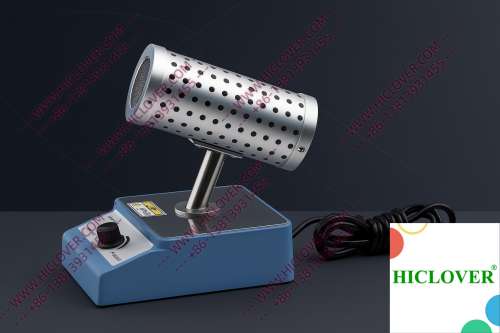
The micro incinerator operates primarily on the principle of rapid thermal sterilization. Utilizing infrared heat technology, this device effectively achieves high-temperature disinfection in a matter of seconds. At its core, the Micro Incinerator features a specially designed enclosed ceramic heating chamber that can reach temperatures far exceeding standard flame sterilizers, such as alcohol lamps and Bunsen burners. This not only facilitates efficient sterilization but also enhances safety by minimizing the risks associated with open flames.
Advantages Over Traditional Flame Sterilizers
- Safety: The absence of open flames reduces fire hazards, especially in sensitive environments such as BSL-2 and BSL-3 labs.
- Efficiency: Infrared sterilizers provide instant and uniform heating, reducing waiting times significantly.
- Easy Operation: User-friendly features and portability make them ideal for diverse laboratory applications.
- Contamination Control: Enclosed systems minimize aerosol production compared to traditional techniques.
- Effective sterilization without the risks of flammable substances in cleanrooms.
- Reduced aerosol production during sterilization processes, ensuring a safer laboratory environment.
- Support for compliance with laboratory sterilization standards, particularly for BSL-2 and BSL-3 microbiology labs.
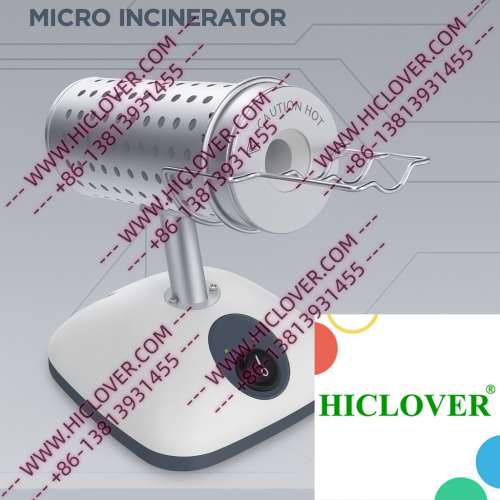
Application Scenarios: Where Micro Incinerators Shine
Micro incinerators are employed across various laboratory scenarios, demonstrating their versatility in different contexts:
1. Biosafety Cabinets
In modern biosafety cabinets, maintaining a sterile working environment is essential. Micro incinerators can be seamlessly integrated, allowing researchers to sterilize inoculating loops and other tools without risking contamination. The infrared technology ensures that instruments are sterilized quickly and returned to use with minimal delay, significantly enhancing workflow efficiency.
2. Teaching Laboratories
University teaching labs are often filled with students learning the ropes of microbiological techniques. Utilizing a Micro Incinerator in this setting not only demonstrates advanced sterilization methods but also instills a sense of safety among students while learning. The ease of use and rapid sterilization capabilities allow instructors to focus on education rather than sterile procedures.
Compliance and Environmental Standards
Compliance with biosafety regulations is paramount in laboratory operations. The World Health Organization (WHO) and various national and international guidances outline stringent protocols for laboratory sterilization. The use of Micro Incinerators aligns with these standards by providing:
Moreover, adopting advanced sterilization technologies like the Micro Incinerator helps labs demonstrate a commitment to sustainability and environmental responsibility by optimizing energy use and minimizing hazardous waste.
Comparison Table: Micro Incinerator vs. Flame Burners
| Features | Micro Incinerator | Flame Burners |
|---|---|---|
| Max Temperature | Above 800°C | Under 500°C |
| Start-up Time | Instant | Depends on fuel |
| Contamination Control | Aerosol-free | Risk of aerosols |
| Safety | No open flame | Open flame hazard |
FAQs About Micro Incinerators
1. What are the main benefits of using a Micro Incinerator in a lab setting?
The primary benefits include enhanced safety from eliminating open flames, rapid thermal sterilization capabilities, and improved contamination control, leading to higher biosafety standards.
2. How is a Micro Incinerator used in a teaching laboratory?
In teaching labs, a Micro Incinerator allows students to efficiently sterilize their instruments during practical sessions, fostering safe and effective learning environments.
3. Can Micro Incinerators operate in cleanrooms?
Yes, Micro Incinerators are designed for cleanroom use due to their enclosed system and aerosol-free operation, complying with cleanroom environmental standards.
4. Are there any specific maintenance requirements for Micro Incinerators?
Regular inspection of the ceramic heating chamber and periodic calibration may be needed to ensure optimal operation; always refer to the manufacturer’s manual for detailed maintenance guidelines.
5. How do Micro Incinerators comply with biosafety regulations?
Micro Incinerators meet WHO and national laboratory guidelines by providing safe sterilization without the hazards associated with flame use, promoting both worker safety and environmental protection.
Conclusion: Enhance Your Laboratory Safety with a Micro Incinerator
In a world where laboratory safety is non-negotiable, adopting advanced equipment like the Micro Incinerator ensures cleaner and safer operational environments. By leveraging incredibly efficient infrared technology, researchers and educators alike can maintain the highest standards of biosafety and contamination control. If you’re looking to upgrade your sterilization equipment or enhance safety protocols in your laboratory, consider investing in a Micro Incinerator today. Let’s elevate your laboratory’s sterilization workflow together!
Categories:
Tags: