
In the field of laboratory science, biosafety is a paramount concern. Laboratories frequently face the pressing challenges of contamination control and maintaining sterile environments. With the escalating demand for safe and effective sterilization processes, scientists and technicians continually seek reliable equipment to aid their workflows. One such essential tool is the Micro Incinerator / Infrared Inoculating Loop Sterilizer. This article explores the significance of routine maintenance for bio-safety cabinet sterilizers, emphasizing their role in ensuring laboratory safety and compliance.
The Technical Principles Behind Micro Incinerators
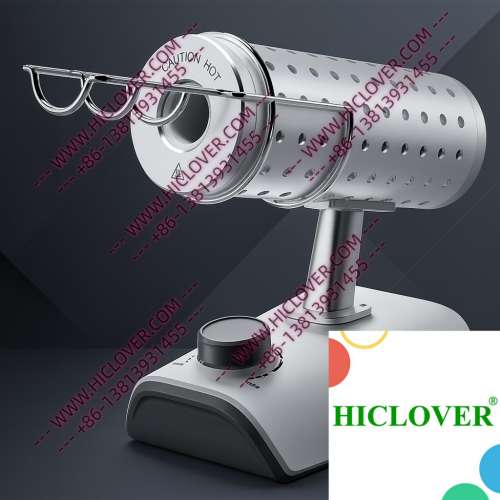
Micro Incinerators utilize infrared heat as their primary mechanism for sterilization. Unlike traditional flame sterilizers such as alcohol lamps or Bunsen burners that produce open flames, these devices offer rapid thermal sterilization within a contained environment. The core of a micro incinerator features an enclosed ceramic heating chamber that generates high temperatures, ensuring effective disinfection without the risk of open flames.
The infrared heat technology employed in these sterilizers provides several advantages:
- Enhanced Safety: The absence of open flames reduces the risk of accidental fires and ensures the clean-bench-safe handling of sensitive materials.
- Quick Operation: Users can achieve instant sterilization, drastically reducing workflow interruptions.
- Minimized Contamination Risk: With an aerosol-free environment, the chance of cross-contamination is significantly lowered, promoting a sterile working atmosphere.
- Prohibiting open flames: Significant for clean rooms and sterile processing settings.
- Meeting lab sterilization standards: Ensuring that sterilization techniques consistently eliminate contaminants.
- What types of materials can a Micro Incinerator sterilize?
Micro Incinerators are effective for sterilizing inoculating loops, metal instruments, and glassware; they are not suitable for plastics. - How often should Micro Incinerators undergo maintenance?
Regular maintenance every three to six months is recommended, depending on usage frequency to ensure optimal performance. - Can Micro Incinerators replace flame sterilizers completely?
Yes, they can provide superior safety and effectiveness compared to flame sterilizers, particularly in sensitive environments. - Are there specific training requirements for using a Micro Incinerator?
While training ensures safe operation, basic usage guidelines can be learned quickly, making them suitable for users at any skill level. - What safety features do Micro Incinerators include?
Features typically include automatic shut-off, temperature control, and safety enclosures designed to handle extreme heat without risk.
Application Scenarios in Real Laboratory Environments
The versatility of the Micro Incinerator shines in various laboratory settings, including:
1. BSL-2 and BSL-3 Microbiology Labs
In biosafety level laboratories, the need for stringent sterilization practices is critical. The Micro Incinerator provides a reliable solution for sterilizing inoculating loops and other tools, allowing microbiologists to reduce the risk of pathogenic contamination. Its rapid heating capabilities ensure that operations can proceed without delays, maintaining the integrity of sensitive experiments.
2. Teaching Labs in Universities
In educational institutions, where students learn microbiology techniques, safety is of utmost importance. Micro Incinerators help instructors demonstrate sterilization processes without the hazards associated with flame-based methods. In this context, the ability to provide a safe learning environment aligns with educational goals while fostering proper techniques among the next generation of scientists.
Compliance with Global Standards and Environmental Considerations
Organizations, such as the World Health Organization (WHO), emphasize the importance of maintaining stringent biosafety protocols in laboratory environments. Compliance with established biosafety regulations is essential for laboratory operations. The use of Micro Incinerators aligns with these standards by:
Failure to adhere to these guidelines can lead to severe consequences, including compromised lab safety and potentially hazardous outbreaks. Moreover, using a Micro Incinerator minimizes environmental risks associated with toxic byproducts generated from flame-based methods.
Comparison Table: Micro Incinerator vs. Flame Burners
| Feature | Micro Incinerator | Flame Burners (Bunsen, Alcohol Lamps) |
|---|---|---|
| Safety | No open flame, reduced fire risk | Open flame, fire hazards |
| Speed | Instant sterilization | Varies, can be delayed |
| Contamination Control | Aerosol-free sterilization | Possible aerosol generation |
| Portability | Compact and lightweight | Can be bulky or dependent on gas supply |
| Ease of Use | Simple operation | Requires skill to control flame |
Frequently Asked Questions
Conclusion
Regular maintenance of bio-safety cabinet sterilizers, particularly Micro Incinerators, is critical not only for the safety of laboratory personnel but also for ensuring compliance with biosafety standards. The transition to infrared inoculating loop sterilizers represents a shift towards safer, more efficient sterilization methods that bolster laboratory workflows across various settings. Whether in a BSL-2 lab or a teaching facility, investing in top-quality sterilization equipment minimizes risks and maximizes operational efficiency.
If you’re interested in enhancing your laboratory’s sterilization practices with state-of-the-art Micro Incinerators, don’t hesitate to contact us for more information or to discuss your purchasing options.
Categories:
Tags: