
As the world grapples with the pressing challenges of climate change, innovations in waste reduction and laboratory sterilization are becoming increasingly critical. In Italy, where environmental regulations are becoming stricter and awareness is rising, laboratories must adapt their sterilization workflows to both ensure biosafety and minimize their ecological footprint. One highly effective tool that addresses these dual goals is the Micro Incinerator, specifically designed for rapid thermal sterilization of inoculating loops and other laboratory tools.
Laboratory Biosafety Challenges and Sterilization Workflows
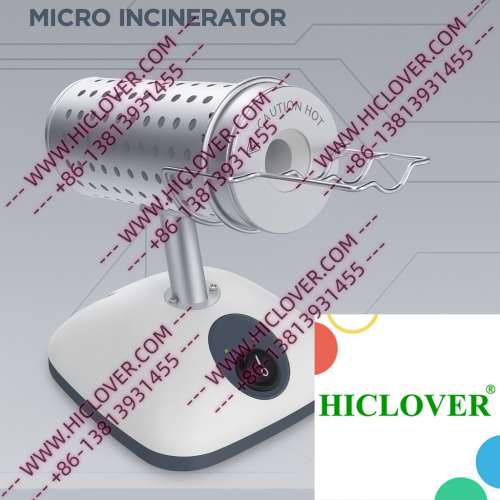
In modern laboratories, particularly in clinical diagnostics and microbiology, the need for reliable contamination control is paramount. Traditional methods using flame sterilizers, such as alcohol lamps or Bunsen burners, pose several challenges: they generate aerosols that can propagate contaminants, require constant monitoring, and can be a fire hazard in sensitive environments, such as BSL-2 or BSL-3 labs. With the increasing focus on biosafety, adhering to the World Health Organization (WHO) biosafety standards is essential.
The Micro Incinerator addresses these challenges by utilizing infrared heat within an enclosed ceramic tube, eliminating the risks associated with open flames and allowing for clean-bench-safe endotoxin-free operations. This not only enhances safety but also streamlines workflows, as it reduces setup time and allows for precise temperature control.
Technical Principles of the Micro Incinerator
The design of the Micro Incinerator is essential for its efficacy. When activated, the infrared heaters achieve high temperatures almost instantaneously, providing a rapid thermal sterilization process that is both efficient and thorough. The enclosed ceramic heating chamber ensures even distribution of heat while preventing any harmful emissions during the sterilization process. This is a significant advantage over traditional methods, which often result in uneven heating and potential hotspots.
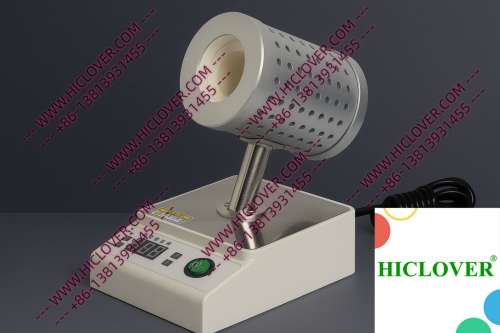
Furthermore, the compact nature of the Micro Incinerator enables its use in various settings, from universities to field testing labs, making it a versatile piece of laboratory equipment.
Application Scenarios in Real Labs
- Biosafety Cabinet: The Micro Incinerator is ideal for use within a biosafety cabinet, where maintaining a sterile environment is crucial. Its high-temperature, aerosol-free operation allows laboratory technicians to efficiently sterilize inoculating loops without compromising the clean air environment.
- Teaching Labs: In academic settings, the Micro Incinerator serves as a safe educational tool for students learning about microbiological techniques. Its user-friendly interface and efficient functionality make it an excellent choice for teaching laboratories where quick and safe sterilization is a critical part of practical experiments.
Compliance and Environmental Considerations
As environmental regulations tighten, compliance with sterilization standards becomes increasingly important. Laboratories in Italy must meet rigorous biosafety requirements as outlined by the WHO, ensuring that all sterilization procedures effectively eliminate pathogens without risking contamination during the process.
One of the significant advantages of using a Micro Incinerator is its adherence to these regulations: it creates a controlled environment suitable for cleanroom applications, where no flames are allowed. This compliance not only protects laboratory personnel but also contributes positively to environmental sustainability through efficient waste management practices.
Micro Incinerator vs. Traditional Flame Sterilizers
| Feature | Micro Incinerator | Flame Sterilizer |
|---|---|---|
| Safety | Low risk of fire, aerosol-free | Higher risk of fire, possible aerosol generation |
| Efficiency | Rapid thermal sterilization | Variable efficiency, requires consistent monitoring |
| Environmental Impact | Lower carbon footprint | Higher environmental cost due to combustion |
| Ease of Use | User-friendly with fast setup | Requires extensive training to operate safely |
Frequently Asked Questions
- What is the primary function of a Micro Incinerator?
The Micro Incinerator is primarily used for rapid thermal sterilization of laboratory tools such as inoculating loops. - Can a Micro Incinerator be used in BSL-2 and BSL-3 laboratories?
Yes, its design and operation are compliant with safety requirements for BSL-2 and BSL-3 labs. - How does a Micro Incinerator differ from traditional sterilizers?
A Micro Incinerator uses infrared heat within a closed chamber, providing safer, faster, and more efficient sterilization compared to open flame methods. - What are the environmental benefits of using a Micro Incinerator?
It reduces carbon emissions and minimizes the risk of environmental contamination associated with open flames. - Is the Micro Incinerator easy to operate?
Absolutely. Its user-friendly design allows for straightforward use, making it ideal for both experienced technicians and novices.
Conclusion
The Micro Incinerator represents a significant step forward in combating climate change while meeting critical sterilization needs within laboratories. Its integration into laboratory workflows not only enhances safety and compliance with biosafety standards but also contributes to a more sustainable future through efficient waste management practices. For institutions looking to upgrade their sterilization equipment, investing in a Micro Incinerator is a wise decision. Contact us today to learn more about how this innovative technology can benefit your laboratory.
Categories:
Tags: