
In the fast-paced realm of clinical laboratories, maintaining a sterile working environment is of utmost importance. The challenge of combating contamination, particularly when handling biological materials, poses significant biosafety threats. Traditional sterilization methods, such as flame burners and alcohol lamps, can introduce risks of aerosol contamination and uneven sterilization, thus necessitating the adoption of innovative solutions. One such innovation, the Micro Incinerator or Infrared Inoculating Loop Sterilizer, stands out as a vital asset in modern laboratory sterilization equipment.
Understanding Micro Incinerators
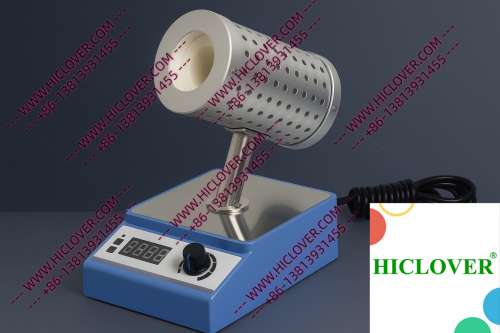
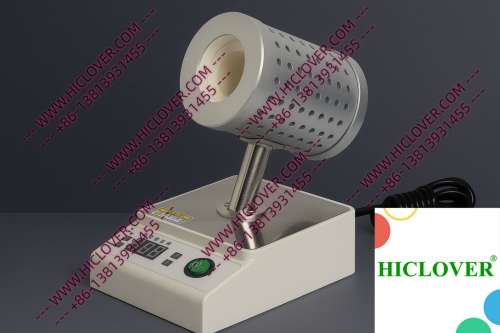
The Micro Incinerator operates on a revolutionary principle of infrared heat, employing a compact ceramic heating chamber to achieve rapid thermal sterilization. Unlike traditional flame sterilizers, which can be hazardous in certain laboratory settings (such as BSL-2 or BSL-3 labs), micro incinerators offer a clean, enclosed environment that eliminates the risk of fire hazards and flammable fumes. The device reaches high temperatures quickly, disinfecting inoculating loops and other tools efficiently and effectively.
Technical Configuration
- Ceramic Heating Chamber: The core of the Micro Incinerator, providing radiant heat with uniform distribution.
- Infrared Technology: Ensures rapid heating, achieving sterilization in seconds without an open flame.
- Compact Design: Lightweight and portable, making it ideal for field testing and mobile laboratory applications.
- Easy Operation: Simple controls that allow for quick temperature adjustments based on specific sterilization needs.
- Reduced Risk of Contamination: With infrared technology, sterilization occurs without exposure to flames or aerosols.
- Efficiency: Rapid turnaround times for sterilizing inoculating loops compared to traditional methods.
- Safety: No open flame minimizes risk in clean room conditions and helps comply with safety regulations.
- Portability: Lightweight design makes it suitable for mobile testing and educational lab setups.
Practical Application Scenarios
1. Biosafety Cabinets
In a controlled biosafety cabinet (BSC), researchers work with pathogenic organisms that require stringent sterility measures. Utilizing a Micro Incinerator in this environment minimizes the risk of aerosol contamination, which can occur during flame sterilization. The access to an aerosol-free handling method allows microbiologists to perform their experiments safely while ensuring that their tools are sterilized effectively, thereby protecting both personnel and experimental integrity.
2. Field Testing Laboratories
Another significant application for Micro Incinerators is in field testing environments, where traditional sterilization methods may be impractical. For instance, in mobile health clinics operating in rural areas of Africa, portable micro incinerators allow for efficient sterilization of equipment on-site. This capability is crucial for maintaining the accuracy of clinical diagnostics in remote settings, where access to sterile facilities may be limited.
Compliance with Biosafety Standards
Adhering to laboratory sterilization standards set by organizations such as the World Health Organization (WHO) is critical for maintaining laboratory integrity and public health. Micro Incinerators align well with these compliance demands by providing a clean device that eliminates the need for open flames in clean rooms and sensitive environments. Moreover, the encapsulated design ensures that no hazardous particles are released into the atmosphere, thereby improving overall safety.
Furthermore, regulations specify the necessity of high-temperature disinfection techniques in BSL-2 and BSL-3 labs, where sterilization efficacy is non-negotiable. The consistent performance of micro incinerators meets these protocols effectively, ensuring that laboratories provide a safe and compliant working environment.
Advantages Over Traditional Flame Sterilizers
Transitioning from flame sterilizers to Micro Incinerators presents numerous advantages:
Micro Incinerator vs. Flame Burners
| Feature | Micro Incinerator | Flame Burner |
|---|---|---|
| Sterilization Time | Seconds | Minutes |
| Risk of Contamination | Minimal | Higher |
| Portability | High | Low |
| Compliance with Standards | YES | Conditional |
Frequently Asked Questions
What is the primary function of a Micro Incinerator?
The primary function is to rapidly sterilize inoculating loops and other laboratory tools using infrared heat technology.
How does a Micro Incinerator compare to traditional flame sterilizers?
Micro Incinerators offer greater efficiency, safety, and compliance with biosafety standards while reducing contamination risks.
Is a Micro Incinerator suitable for educational labs?
Yes, its ease of use and safety makes it ideal for university teaching labs, allowing students to focus on their learning without contamination concerns.
Can a Micro Incinerator be used in field testing?
Absolutely! Its portable design makes it perfect for mobile healthcare solutions and field laboratories.
What safety standards must Micro Incinerators meet?
Micro Incinerators are designed to meet various biosafety regulations including WHO protocols for sterilization in clinical and research settings.
Conclusion
In conclusion, Micro Incinerators represent a vital advancement in laboratory sterilization equipment, addressing the pressing needs of compliance, safety, and efficiency in clinical labs. By incorporating these devices into your sterilization workflow, your laboratory can enhance its contamination control measures and align with global biosafety standards. If you would like to explore how our Micro Incinerators can improve your laboratory processes, feel free to contact us for further information or purchase inquiries.
Categories:
Tags: