
In the landscape of laboratory biosafety, the demand for effective sterilization solutions has never been greater. With rigorous contamination control requirements and the ever-present challenge of maintaining a sterile work environment, selecting the right sterilization equipment can influence the efficiency and effectiveness of laboratory workflows. Among the numerous options available, the Micro Incinerator or Infrared Inoculating Loop Sterilizer stands out as a modern solution that addresses both cost-effectiveness and quality.
Practical Laboratory Biosafety Challenges
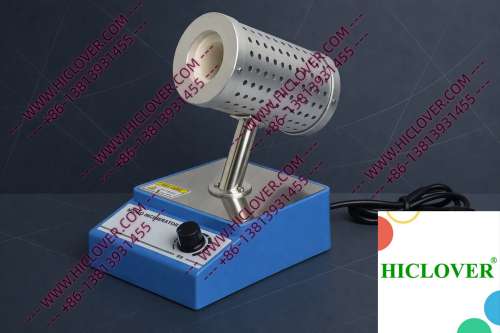
Laboratories, especially those operating under biosafety levels 2 (BSL-2) and 3 (BSL-3), face numerous challenges related to sterilization. From preventing microbial contamination in clinical diagnostics to ensuring safety in mobile or field testing labs, choosing the right sterilization method is crucial. Traditional flame-based systems, like alcohol lamps and Bunsen burners, often introduce aerosol risks and can create dangerous environments in clean rooms. In contrast, the infrared sterilizer ensures rapid thermal sterilization without exposing personnel to open flames, thus enhancing safety and compliance.
Key Features of Micro Incinerators
The Micro Incinerator, designed for high-temperature disinfection, utilizes advanced infrared heating technology in an enclosed ceramic tube. This configuration provides several unique advantages:
- Rapid Thermal Sterilization: The infrared heat allows for quick heating, achieving sterilization in seconds without the need for a lengthy waiting period.
- Aerosol-Free Handling: As it operates without open flames, the risk of aerosol generation is minimized, making it ideal for sensitive environments like biosafety cabinets.
- Compact Design: Its lightweight and portable design allows for easy use in various lab settings, including field tests and academic teaching labs.
- Energy Efficiency: Infrared sterilizers are known for their efficiency, consuming less power compared to traditional methods.
- Durability: With robust construction and high-quality ceramic components, Micro Incinerators offer longevity and reliability in demanding laboratory conditions.

Application Scenarios in Real Labs
1. University Teaching Labs
In university settings, where students are learning laboratory techniques, the Micro Incinerator provides a safe and effective method for sterilizing inoculating loops and other instruments. The lack of flames significantly reduces the risk of accidents, allowing instructors to focus on teaching rather than worrying about safety hazards. Moreover, the rapid sterilization process means that students can complete experiments more efficiently, enhancing their learning experience.
2. Clinical Diagnostics and BSL-2 Labs
Within BSL-2 laboratories engaged in clinical diagnostics, contamination control is critical. The Micro Incinerator integrates seamlessly into biosafety cabinets, maintaining the sterile environment required for handling pathogenic materials. Since it eliminates the need for open flames, it adheres to strict lab safety protocols and minimizes the risks associated with flammable materials.
Compliance and Environmentally Friendly Practices
Compliance with international biosafety standards is crucial for laboratories operating in today’s health-conscious climate. The World Health Organization (WHO) and the Centers for Disease Control and Prevention (CDC) recommend implementing sterilization methods that present minimal risks to personnel. The Micro Incinerator aligns with these guidelines, promoting a safe working environment. Furthermore, the absence of flames in clean rooms not only enhances safety but also aligns with green laboratory practices aimed at waste reduction and minimal chemical use.
Micro Incinerator vs. Traditional Flame Sterilizers
| Feature | Micro Incinerator | Traditional Flame Sterilizers |
|---|---|---|
| Heating Method | Infrared | Open Flame |
| Contamination Risk | Low | High |
| Energy Efficiency | High | Varies |
| Safety in Clean Rooms | Safe | Unsafe |
| Heating Time | Seconds | Variable |
FAQs About Micro Incinerators
1. How does the Micro Incinerator work?
The Micro Incinerator uses infrared heat to achieve rapid sterilization of tools. The enclosed ceramic heating chamber allows for efficient and safe heating without open flames.
2. Are Micro Incinerators suitable for all types of laboratories?
Yes, they are ideal for use in BSL-2 and BSL-3 labs as well as teaching laboratories and field testing environments, providing flexibility for various applications.
3. What are the safety benefits of using a Micro Incinerator?
Using a Micro Incinerator greatly reduces the risk of aerosol generation and fire hazards associated with open flames, making it safer for personnel in sterile environments.
4. How does a Micro Incinerator help with compliance?
Micro Incinerators comply with WHO biosafety recommendations by providing a flame-free sterilization option, thereby meeting stringent safety standards in laboratories.
5. Can the Micro Incinerator be used in field testing labs?
Yes, its portable and energy-efficient design makes it an excellent choice for mobile or remote laboratory setups where sterilization is necessary.
Conclusion: Elevate Your Laboratory’s Sterilization Solution
In the competitive realm of laboratory sterilization equipment, the Micro Incinerator / Infrared Inoculating Loop Sterilizer emerges as a top-tier option for those seeking a blend of quality and cost-effectiveness. By utilizing advanced infrared technology, this sterilizer opens new doors for safety, efficiency, and compliance across various laboratory environments.
If you’re looking to enhance your laboratory operations and invest in reliable sterilization solutions, contact us today for more information or to place an order. Your lab deserves the best!
Categories:
Tags: