
As the UK grapples with escalating landfill overflow, innovative solutions are direly needed to safeguard both the environment and public health. One promising alternative gaining traction within laboratory and clinical settings is the use of Micro Incinerators. These compact devices are gradually transforming laboratory sterilization workflows, optimizing contamination control while complying with strict biosafety regulations.
Laboratory Biosafety Challenges in Sterilization Workflows
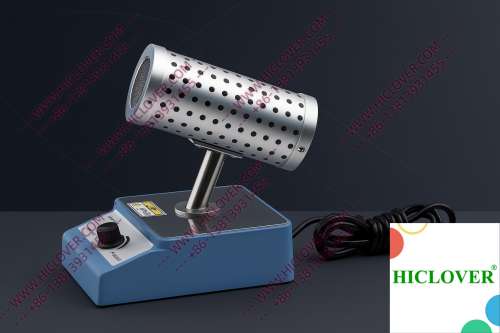
Laboratories, especially those operating at BSL-2 and BSL-3 biosafety levels, face significant challenges in maintaining strict contamination control during routine sterilization operations. Traditional methods, such as alcohol lamps and Bunsen burners, often fall short in providing the necessary efficacy and safety. In particular, flame sterilizers can introduce aerosols that compromise sterile environments, especially in sensitive areas like biosafety cabinets. The quest for a more effective and safer solution has led to increased interest in Micro Incinerators, particularly the Infrared Inoculating Loop Sterilizer.
Technical Principles Behind Micro Incinerators
Micro Incinerators utilize the principle of infrared heat for rapid thermal sterilization. Unlike traditional flame methods, this technology relies on a heater coil that creates high temperatures within an enclosed ceramic tube. The ability to achieve up to 850°C ensures that pathogens are effectively destroyed in mere seconds, making these devices ideal for quick sterilization tasks.
The enclosed design also guarantees that no open flame is present, making it clean-bench-safe and reducing the risk of cross-contamination in sterile environments. The ergonomic shape allows for easy handling, making it suitable for prolonged use in clinical diagnostics or educational settings.
Application Scenarios for Micro Incinerators
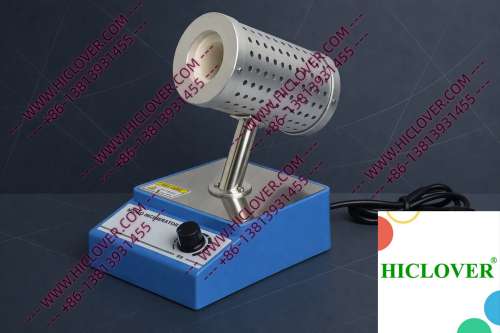
Micro Incinerators have diverse applications in laboratory settings. Here are two specific scenarios:
- Biosafety Cabinets: In clinical and research labs, these sterilizers can be used directly in biosafety cabinets without risking contamination. The rapid sterilization process ensures that inoculating loops and other tools are quickly ready for reuse.
- Field Testing Laboratories: For environmental monitoring or mobile testing labs, Micro Incinerators prove invaluable. These compact devices can be easily transported, allowing researchers to sterilize equipment on-site without the need for a continuous power source or laboratory infrastructure.
Compliance and Environmental Impact
Compliance with international biosafety standards, such as those set by the WHO, is mandatory in laboratory environments. By transitioning to Micro Incinerators, laboratories can adhere to these stringent regulations while minimizing environmental impact. Traditional flame sterilizers can potentially release harmful by-products, whereas the infrared method used in Micro Incinerators is designed to eliminate aerosols.
Comparison: Micro Incinerator vs. Flame Burners
| Feature | Micro Incinerator | Flame Burners |
|---|---|---|
| Operating Temperature | Up to 850°C | Varies (often lower) |
| Flame Safety | No open flame | Open flame present |
| Aerosols | Aerosol-free handling | Potential for aerosol production |
| Portability | Highly portable and compact | Less portable |
| Time Efficiency | Rapid sterilization | Varies; often slower |
FAQs about Micro Incinerators
What is the primary advantage of using a Micro Incinerator over traditional flame sterilizers?
The primary advantage lies in its ability to offer rapid thermal sterilization without the risk of introducing aerosols or combustion by-products, making it suitable for use in clean environments.
Can Micro Incinerators be used in mobile field testing labs?
Yes, Micro Incinerators are compact and portable, making them an excellent choice for on-the-go sterilization in remote or mobile laboratory settings.
Are Micro Incinerators compliant with WHO biosafety standards?
Absolutely. They meet or exceed the necessary biosafety standards, ensuring safe sterilization processes in laboratory environments.
How does the sterilization time of a Micro Incinerator compare to a Bunsen burner?
Micro Incinerators provide rapid sterilization within seconds, while Bunsen burners may require longer to reach the necessary temperature for effective sterilization.
Where can I find Micro Incinerators for research and clinical applications?
You can source high-quality Micro Incinerators from various laboratory supply distributors or contact manufacturers who specialize in sterilization equipment.
Conclusion: Take Action Towards a Cleaner Future
Embracing the potential of Micro Incinerators not only enhances laboratory workflows but also contributes to combating landfill overflow and reducing environmental harm. With their advanced technology and multiple applications, particularly in BSL-2/BLS-3 microbiology labs and clean environments, these devices are an investment worth considering. For high-quality Micro Incinerators, don’t hesitate to reach out for more information or a purchase today.
Categories:
Tags: