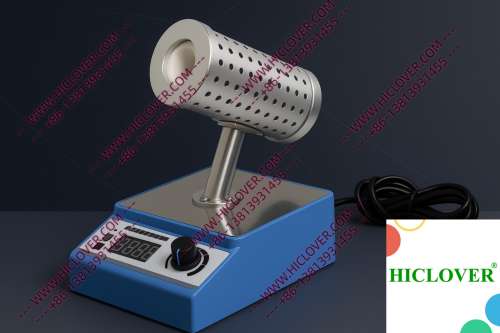
As the global focus on environmental preservation intensifies, South Africa faces alarming levels of pollution from various waste disposal methods. In biomedical and research laboratories, the stakes are even higher. The need for effective contaminant management and laboratory biosafety drives innovation in sterilization equipment, notably through the implementation of advanced technologies like Micro Incinerators.
Laboratory Biosafety Challenges and Sterilization Workflow Demands
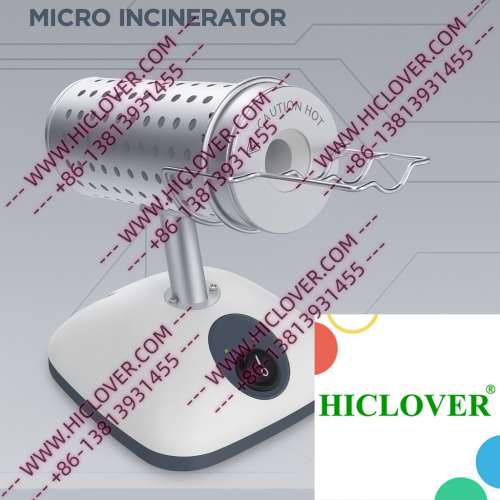
In laboratories, especially those handling pathogenic microorganisms and hazardous materials, maintaining a sterile environment is critical. Traditional sterilization methods, such as alcohol lamps and Bunsen burners, can pose several biosafety risks, including open flames in sensitive settings like biosafety cabinets. The introduction of Micro Incinerators, particularly the Infrared Inoculating Loop Sterilizer, presents a pioneering solution designed to meet the rigorous demands of contemporary sterilization workflows.
Understanding the Technical Principles: Infrared Heat and Ceramic Technology
The Micro Incinerator operates on the principle of infrared heat transfer, enabling rapid thermal sterilization without the use of open flames. The enclosed ceramic heating chamber ensures uniform heating and high-temperature disinfection of inoculating loops and other lab instruments.
This sterile method significantly reduces aerosols and eliminates the risk of open flames igniting combustible materials in clean environments. Features such as a temperature range surpassing 800°C and energy efficiency, make this equipment not only effective but also cost-efficient in the long run.
Practical Applications of Micro Incinerators in Different Lab Scenarios
- Biosafety Cabinets: Used extensively in BSL-2 and BSL-3 laboratories, the Micro Incinerator integrates seamlessly within biosafety cabinets, allowing for immediate sterilization of tools without disturbing the vertical laminar airflow.
- Field Testing Labs: In mobile testing units deployed for environmental monitoring, the compact design of Micro Incinerators facilitates on-site sterilization, ensuring compliance with biosafety regulations even in remote locations.
Compliance with International Biosafety Standards
The Micro Incinerator aligns with global standards set by organizations like the World Health Organization (WHO) for laboratory biosafety. Its design ensures compliance with sterilization protocols, significantly reducing the risk of contamination while providing a safe alternative to flame-based sterilization. This innovation meets the strict regulations regarding clean room operations, where flames are prohibited to maintain a contamination-free environment.
In addition, the Micro Incinerator is efficient for clinical diagnostics and university teaching labs, where precise sterilization is key to reliable results and educational integrity.
Comparative Advantage: Micro Incinerator vs. Traditional Flame Sterilizers
| Feature | Micro Incinerator | Flame Sterilizer |
|---|---|---|
| Safety | No open flame, minimizing fire hazards | Open flame, risk of ignition and burns |
| Contamination Control | Aerosol-free handling, reduced risk of contaminants | Aerosols generated can contaminate the workspace |
| Efficiency | Rapid sterilization with high-temperature capability | Time-consuming processes with risk of inconsistent results |
| Portability | Compact, ideal for mobile labs | Generally bulkier and less adaptable to field use |
FAQ Section
What is a Micro Incinerator?
A Micro Incinerator is a compact sterilization device that uses infrared technology to achieve rapid sterilization of laboratory instruments without the use of flames.
How does an Infrared Inoculating Loop Sterilizer work?
The sterilizer utilizes high temperatures generated by infrared radiation within a ceramic chamber to achieve effective disinfection of inoculating loops and other tools.
Are Micro Incinerators compliant with lab standards?
Yes, they comply with WHO biosafety standards and are suitable for use in BSL-2 and BSL-3 laboratories, as well as other sterile processing environments.
What are the benefits of using a Micro Incinerator?
- Improved safety with no flames
- Higher efficiency in sterilization processes
- Reduced contamination risks
- Portable for field and mobile labs
Can Micro Incinerators be used in teaching environments?
Absolutely, they are ideal for university teaching labs, offering safe and effective methods for sterilization, thus enhancing the learning experience without compromising safety.
Conclusion
As awareness of pollution and contamination control rises in South Africa, the Micro Incinerator / Infrared Inoculating Loop Sterilizer emerges not just as a tool, but as a revolutionizing force in laboratory waste disposal and sterilization practices. By prioritizing safety, efficiency, and compliance, these devices provide unparalleled advantages over traditional sterilization methods. If you are ready to invest in the future of laboratory sterilization technology, don’t hesitate to reach out to us for more information or to explore purchase options.
Categories:
Tags: