
In modern laboratories, maintaining biosafety and adhering to stringent sterilization workflows are paramount. Among the myriad challenges faced by researchers and technicians is the need for effective sterilization methods that comply with safety regulations while meeting operational demands. One solution gaining traction in various laboratory settings, particularly in New Zealand, is the use of Micro Incinerator / Infrared Inoculating Loop Sterilizers. This article explores the benefits of these portable loop sterilizers, emphasizing their application, design, compliance with biosafety standards, and advantages over traditional flame sterilizers.
Understanding the Technology
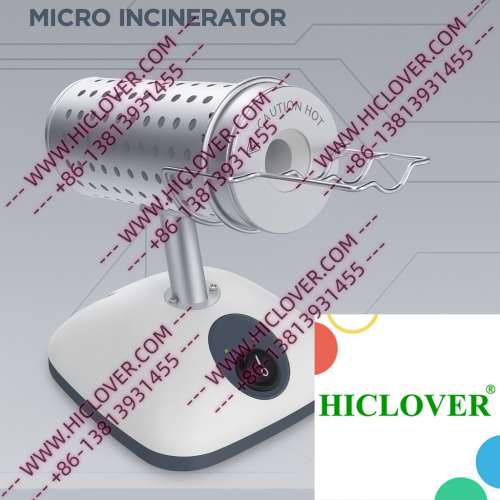
The Micro Incinerator operates on the principle of rapid thermal sterilization through infrared heat. This device utilizes an enclosed ceramic heating chamber that generates high intensities of infrared radiation, achieving temperatures sufficient for effective disinfection. Unlike traditional alcohol lamps and Bunsen burners, which can produce unwanted aerosols and pose fire hazards, infrared sterilizers ensure a clean and safe environment.
Key Features of Micro Incinerator / Infrared Inoculating Loop Sterilizer
- Quick Sterilization: Achieves sterilization in mere seconds, ideal for high-throughput labs.
- Compact Design: Lightweight and portable, suitable for field testing or mobile labs.
- Safety First: No flames, reducing risks of fires and contamination.
- Aerosol-Free Handling: Minimizes the risk of airborne contaminants, crucial for BSL-2 and BSL-3 microbiology labs.
Applications in Real Laboratory Scenarios
Biosafety Cabinets
In a biosafety cabinet, maintaining a sterile environment is essential for protecting both the samples and the personnel. Micro Incinerators can be integrated seamlessly into these settings, allowing for prompt and efficient sterilization of inoculating loops before transferring cultures. This rapid turnaround helps streamline workflows, reducing downtime and enhancing productivity while ensuring compliance with WHO guidelines on biosafety.
Field Testing and Mobile Labs
Field testing requires rigorous sterilization processes in mobile settings where laboratory resources are limited. Infrared inoculating loop sterilizers prove invaluable here, providing quick disinfection without the need for bulky equipment. Whether in remote locations for environmental testing or clinical diagnostics, these devices ensure that researchers can maintain high standards of contamination control on-the-go.
Compliance with Biosafety Standards
Laboratory sterilization is not solely a matter of convenience; it also involves adhering to a set of compliance standards. The WHO sets forth guidelines that laboratories must follow to ensure biosafety and minimize risks associated with hazardous pathogens. Infrared sterilizers, as they require no open flame, are particularly advantageous in clean rooms and during procedures where aerosol generation presents a risk, aligning with best practices for BSL-2 and BSL-3 facilities. Furthermore, their use helps laboratories meet international sterilization standards such as ISO 11135-1, which focuses on the validation and routine control of sterilization methods.
Comparison: Micro Incinerator vs. Traditional Flame Sterilizers
| Feature | Micro Incinerator | Traditional Flame Sterilizers |
|---|---|---|
| Operating Time | Seconds | Varies |
| Risk of Contamination | Minimal | High (aerosols) |
| Physical Space Required | Compact | Bulky |
| Operational Safety | No open flame | Open flame hazards |
| Temperature Control | Precise, consistent | Inconsistent |
Frequently Asked Questions
What are Micro Incinerators used for?
Micro Incinerators are primarily used for the sterilization of inoculating loops and other laboratory tools to prevent contamination during microbial culture transfers.
How do Micro Incinerators differ from traditional sterilizers?
Micro Incinerators utilize infrared heat for rapid sterilization without an open flame, making them safer and reducing the risk of aerosol contamination, while traditional methods can generate harmful aerosols and pose ignition risks.
Are Micro Incinerators compliant with biosafety standards?
Yes, they are compliant with WHO biosafety standards and international sterilization guidelines, making them suitable for use in BSL-2 and BSL-3 laboratories.
Can Micro Incinerators be used in field testing?
Absolutely! Their portable design and quick sterilization capabilities make them ideal for field testing in remote locations.
What is the lifespan of a Micro Incinerator?
With proper care and handling, a Micro Incinerator can last several years, providing consistent and reliable performance throughout its use.
Conclusion
As laboratories continue to evolve and embrace new technologies, the adoption of Micro Incinerator / Infrared Inoculating Loop Sterilizers becomes increasingly vital. Offering a blend of safety, efficiency, and compliance, these sterilizers are transforming biosafety practices in New Zealand and beyond. Whether in clinical diagnostics, university teaching labs, or mobile field assessments, the benefits are clear. For further inquiries or to purchase, reach out today, and take a step towards enhanced laboratory safety and efficiency.
Categories:
Tags: