
As global urbanization grows, so too does the challenge of waste disposal, particularly in burgeoning cities like Luanda, Angola. Laboratories face increasing biosafety demands, leading to heightened attention on sterilization methods for contamination control. The Micro Incinerator, or Infrared Inoculating Loop Sterilizer, has surfaced as a potent solution, ensuring efficient sterilization in various laboratory settings.
Key Laboratory Biosafety Challenges
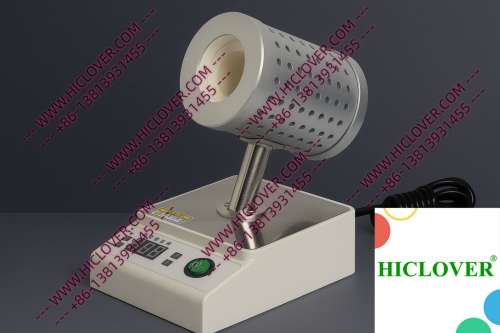
Laboratories are often tasked with maintaining stringent biosafety standards, especially within BSL-2 and BSL-3 environments where pathogen handling is routine. Traditional flame sterilizers, such as alcohol lamps and Bunsen burners, while effective, can introduce risks such as aerosol generation, incomplete sterilization of tools, and operational hazards like fire hazards and inadequate cleanliness.
With sterilization workflows demanding rapid thermal sterilization and contamination control, alternatives like the Micro Incinerator offer an innovative approach. This device employs infrared heat technology to achieve high-temperature disinfection, ensuring a clean-bench-safe environment that is essential for laboratory integrity and personnel safety.
Understanding the Technology: How the Micro Incinerator Works
The Micro Incinerator utilizes infrared radiation to heat an enclosed ceramic tube, allowing for the sterilization of inoculation loops, metal instruments, and other lab equipment. The enclosed design minimizes the risk of airborne contamination while maintaining high temperature for effective sterilization.
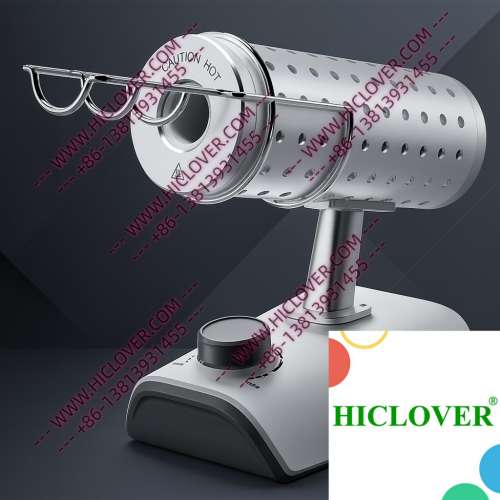
- Rapid Heat-Up: The innovative design allows the Micro Incinerator to heat up in seconds, making it ideal for labs with high workloads.
- Energy Efficiency: Its operational efficiency ensures reduced energy costs compared to traditional flame methods.
- No Open Flame: As a result, there’s virtually no risk of igniting flammable materials, making it safe for use in sensitive environments.
Application Scenarios for Micro Incinerators
1. Clinical Diagnostics Laboratories
In clinical diagnostics, the need for quick turnaround times and stringent biosafety cannot be overstated. Micro Incinerators provide an effective solution by allowing technicians to sterilize tools swiftly and efficiently within a biosafety cabinet. For example, in routine microbiological culture procedures, the sterilization of inoculating loops becomes paramount. The rapid approach of a Micro Incinerator enhances workflow efficiency, minimizing downtime and maximizing throughput.
2. University Teaching Laboratories
Educational institutions are tasked with imparting critical biosafety training to future researchers. By incorporating Micro Incinerators in university teaching labs, educators can demonstrate best practices in sterilization without the risks associated with traditional flame sterilizers. Students benefit from hands-on learning experiences, observing the effectiveness of infrared technology in sterilizing instruments, thereby solidifying their understanding of microbiological processes.
Compliance and Environmental Considerations
Adhering to biosafety standards set forth by the World Health Organization (WHO) and other regulatory bodies is crucial for laboratories worldwide. The Micro Incinerator aligns closely with these specifications, particularly in settings that demand no open flames, as required for cleanrooms and sterile environments. The transition from traditional flame burners to Micro Incinerators significantly improves compliance, as these devices reduce the generation of hazardous aerosols while still achieving effective sterilization. Furthermore, no open flame means lower risks and an overall cleaner operational atmosphere.
Micro Incinerator vs. Traditional Flame Sterilizers
| Feature | Micro Incinerator | Flame Sterilizer |
|---|---|---|
| Heat Source | Infrared | Open Flame |
| Operational Safety | High | Moderate |
| Speed of Sterilization | Seconds | Varies (longer) |
| Risk of Contaminant Spread | Low | High |
| Energy Consumption | Low | Higher |
Frequently Asked Questions
1. What are the main advantages of using a Micro Incinerator in a laboratory setting?
The Micro Incinerator provides rapid sterilization, enhanced safety with no open flame, reduced aerosol risk, and efficiency in energy consumption compared to traditional methods.
2. How does the Micro Incinerator comply with WHO biosafety regulations?
By eliminating the use of open flames and generating fewer aerosols, the Micro Incinerator maintains a safer environment that meets biosafety compliance in laboratories.
3. Can the Micro Incinerator be used in field testing labs?
Yes, its compact design and quick operation make it suitable for field testing, particularly in remote areas where traditional sterilization methods may not be feasible.
4. Is there any special maintenance required for the Micro Incinerator?
Regular cleaning of the ceramic tube is advisable to maintain performance, along with periodic checks to ensure that all components are functioning properly.
5. What types of instruments can be effectively sterilized with the Micro Incinerator?
The Micro Incinerator is effective for inoculation loops, metal surgical tools, and other lab instruments requiring high-temperature sterilization.
Conclusion: Streamlining Lab Sterilization in Urban Angola
The Micro Incinerator is quickly establishing itself as a vital instrument in Angola’s growing urban laboratory landscapes. With a focus on enhanced safety, compliance, and efficiency, transitioning to micro-incineration technology is not just a choice but a necessity for progressive labs. Interested in elevating your sterilization protocols? Contact us today for high-quality Micro Incinerators that can transform your laboratory’s operations.
Categories:
Tags: