
In today’s rapidly evolving laboratory landscape, strict biosafety regulations are increasingly vital to ensure the integrity of research and clinical diagnostics. Laboratories are continuously challenged by contamination risks, necessitating effective sterilization workflows. Among the innovative solutions available, the Micro Incinerator, also known as the Infrared Inoculating Loop Sterilizer, plays a crucial role in addressing these challenges by providing rapid and efficient sterilization processes.
The Technical Principle of Micro Incinerators
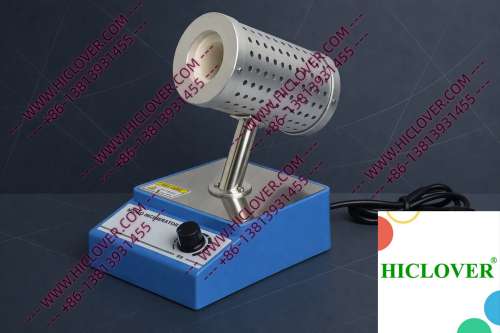
Micro Incinerators operate on the principle of infrared heat generation, utilizing an enclosed ceramic tube to deliver high-temperature disinfection without producing flames. This sophisticated design enables quick and efficient sterilization of inoculating loops, needles, and other small instruments typically used in laboratories. The infrared radiation generated reaches temperatures exceeding 800°C, ensuring the complete destruction of microbial life, including resistant bacterial spores.
Key Features of Micro Incinerators
- Rapid Thermal Sterilization: Achieves effective sterilization within seconds.
- Aerosol-Free Handling: Minimizes the risk of contaminating clean environments.
- Clean-Bench-Safe: Supports compliant workflows within biosafety cabinets and clean rooms.
- Energy Efficient: Uses less power compared to traditional flame sterilizers.
- What is the operational temperature range of a Micro Incinerator?
Micro Incinerators can reach sterilization temperatures of over 800°C, allowing for rapid thermal sterilization of laboratory instruments.
- Can Micro Incinerators be used in field testing environments?
Yes, their compact design and efficiency make them ideal for mobile and field testing labs where rapid sterilization is essential.
- Are there specific maintenance requirements for Micro Incinerators?
Regular cleaning of the ceramic tube is recommended to maintain efficiency, along with periodic checks for electrical components.
- How do Micro Incinerators contribute to contamination control?
By utilizing high-temperature infrared heat and eliminating flame use, they significantly reduce the likelihood of aerosol generation and ensure thorough sterilization of tools within clean environments.
- Are Micro Incinerators compliant with international standards?
Yes, they meet various biosafety and sterilization standards, providing safe and effective solutions for modern laboratory applications.
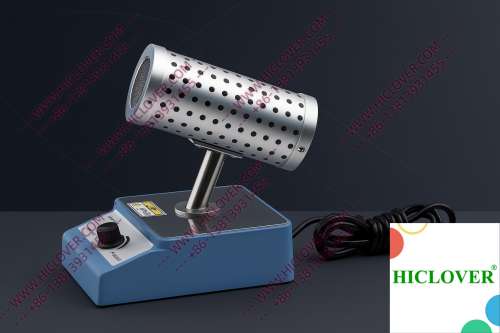
Application Scenarios in Real Labs
1. Biosafety Cabinets
In BSL-2 and BSL-3 microbiology labs, maintaining a sterile environment is paramount. Micro Incinerators can be seamlessly integrated into biosafety cabinets, allowing researchers to sterilize tools without introducing harmful aerosols. The enclosed design ensures that any contaminants present on the instruments are neutralized effectively, thus preventing cross-contamination during sensitive experiments.
2. University Teaching Labs
Academic institutions also benefit from Micro Incinerators, particularly in teaching laboratories where students are introduced to microbiological techniques. Instructors appreciate the ease of demonstrating sterilization processes without the risks associated with traditional flame sources. These units enhance the educational experience, enabling safer hands-on training in various laboratory settings.
Compliance and Environmental Considerations
Adhering to compliance standards such as those set by the World Health Organization (WHO) and various laboratory sterilization guidelines is essential for any laboratory operation. Micro Incinerators fulfill these requirements by eliminating the need for open flames in clean room environments, thus significantly reducing fire hazards associated with alcohol lamps and Bunsen burners.
Traditional flame sterilizers can generate harmful aerosols, putting laboratory personnel at increased risk. In contrast, Micro Incinerators not only comply with biosafety protocols but also provide a more environmentally friendly solution as they minimize energy consumption and waste generation.
Micro Incinerators vs. Traditional Flame Sterilizers: A Comparison
| Feature | Micro Incinerator | Flame Sterilizers |
|---|---|---|
| Speed of Sterilization | Seconds | Minutes |
| Aerosol Production | None | High |
| Energy Efficiency | High | Low |
| Use in Clean Rooms | Yes | No |
| Ease of Use | Simple, plug-and-play | Requires flame management |
Frequently Asked Questions
Conclusion
In summary, Micro Incinerators offer not just a technologically advanced solution for sterilization but also a significant upgrade over traditional flame sterilizers. With capabilities that enhance laboratory safety and efficiency, they are indispensable in modern labs across diverse fields. If you are considering upgrading your laboratory sterilization equipment, explore the benefits of Micro Incinerators and ensure compliance with global biosafety standards. Contact us today to learn more about integrating this essential equipment into your workflows!
Categories:
Tags: