
In modern laboratories, the challenge of maintaining a contamination-free environment is paramount. Biosafety cabinets, integral to microbiological research and clinical diagnostics, rely on advanced sterilization equipment such as the micro incinerator or infrared inoculating loop sterilizer. These high-performance devices ensure that lab personnel can perform their work without the risk of contamination, thus enhancing workflow efficiency and safety.
Technical Principles of Infrared Sterilization
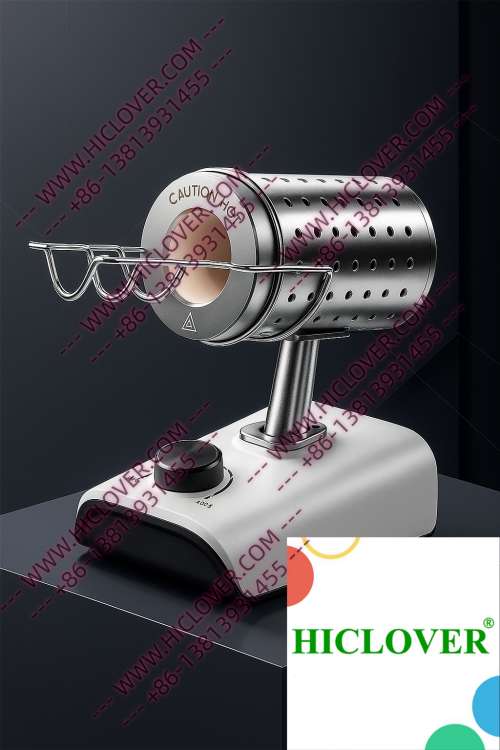
The micro incinerator utilizes a unique thermal sterilization principle that is both effective and safe. The device employs infrared heat, generated by a high-temperature ceramic heating chamber, to achieve rapid thermal sterilization of inoculating loops and other small instruments. The enclosed ceramic tube ensures uniform heat distribution, preventing hot spots that can lead to equipment damage or inadequate sterilization. This technology eliminates the need for traditional flame-based sterilization methods, which can pose risks of contamination through aerosol production and require careful handling due to exposure to open flames.
Advantages Over Traditional Flame Sterilizers
When comparing micro incinerators to traditional flame sterilizers such as alcohol lamps or Bunsen burners, several advantages emerge:
| Feature | Micro Incinerator | Flame Sterilizer |
|---|---|---|
| Safety | Flame-free operation reduces fire hazards | Open flames increase risk of fires and burns |
| Efficiency | Rapid thermal sterilization with controlled temperature | Longer heating times and inconsistent temperatures |
| Contamination Control | No aerosols, reducing contamination risk | Aerosol generation can spread pathogens |
| Usability | Ease of use with minimal training required | Requires detailed knowledge to operate safely |
Application Scenarios in Real Labs
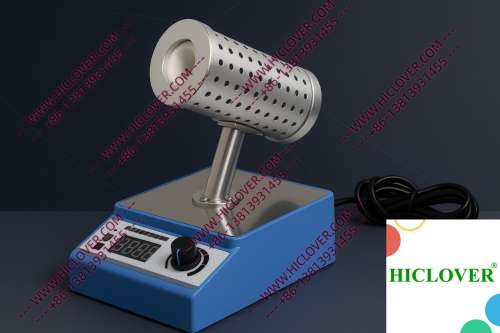
Micro incinerators are widely utilized in various laboratory environments, ensuring compliance with biosafety standards while maintaining quality workflows. Here are two application scenarios:
1. University Teaching Labs
In educational settings, professors often conduct microbiology experiments with students learning inoculation techniques. The micro incinerator’s rapid sterilization capabilities offer a safe, efficient way to prepare inoculating loops between uses. This seamless process minimizes downtime, allowing students to focus on learning microbiological techniques without the worry of contamination.
2. Field Testing Labs
In field testing laboratories, where rapid results are imperative, the micro incinerator can be operated in mobile settings. For instance, during environmental testing for pathogens, personnel can quickly sterilize their tools without the hassle of managing flames. This efficiency not only speeds up sample collection but also ensures compliance with strict safety protocols.
Compliance and Environmental Standards
Adhering to safety regulations is essential for laboratories, especially those designated as BSL-2 or BSL-3. The World Health Organization (WHO) has outlined strict biosafety standards to control contamination risks. Traditional flame sterilizers can generate aerosols, which are counterproductive to maintaining a cleanroom environment. The micro incinerator, with its no-flame operation, fully complies with these safety standards, making it a suitable choice for modern laboratory practices.
Moreover, using flame-free methods is vital in clean environments like CO₂ incubators or anaerobic chambers, where contamination control is critical. By integrating micro incinerators, laboratories can minimize risks associated with flame use, ensuring a sterile operational environment.
FAQs About Micro Incinerators
- What is the difference between a micro incinerator and a traditional flame sterilizer?
Micro incinerators use infrared heat for rapid sterilization, whereas traditional flame sterilizers rely on open flames, posing a higher risk of contamination and fire hazards. - Can a micro incinerator be used in BSL-3 labs?
Yes, micro incinerators are ideal for BSL-3 labs as they comply with biosafety standards and eliminate the risks associated with flame-based sterilization. - How long does it take to sterilize an inoculating loop using a micro incinerator?
Typically, sterilization can be achieved in a matter of seconds, significantly reducing workflow time compared to traditional methods. - Is it safe to use a micro incinerator in teaching labs?
Absolutely. Micro incinerators provide a safe, efficient way to teach microbiological techniques without the risks associated with flames. - What maintenance is required for a micro incinerator?
Regular cleaning of the ceramic heating chamber and ensuring the electrical components are well-maintained will keep the device in optimal working condition.
Conclusion
In conclusion, the integration of micro incinerators and infrared inoculating loop sterilizers within laboratory settings represents a significant advancement in sterilization technology. Their capacity for rapid thermal sterilization, combined with compliance to strict biosafety standards, makes them an indispensable asset for any laboratory—particularly in high-stakes environments like BSL-2 or BSL-3 labs.
If you are considering the upgrade or purchase of advanced sterilization equipment, contact us today to explore how our micro incinerator solutions can enhance your laboratory’s efficiency and safety.