
In laboratory environments, maintaining biosafety and ensuring effective sterilization are paramount. With the increasing demand for rapid and reliable sterilization methods, traditional flame sterilizers such as alcohol lamps and Bunsen burners are often becoming obsolete. The use of flameless ceramic heating sterilizers, particularly the Micro Incinerator or Infrared Inoculating Loop Sterilizer, presents a cleaner, safer, and more efficient alternative to meet laboratory sterilization workflow needs.
Modern Laboratory Biosafety Challenges
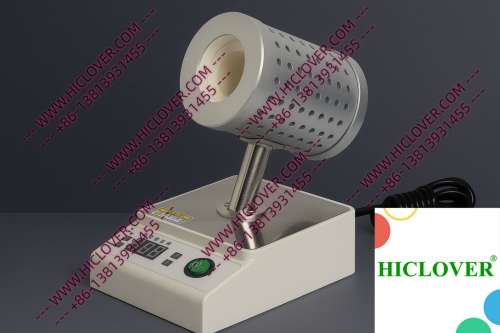
Laboratories face critical challenges when it comes to maintaining sterility and preventing contamination. BSL-2 and BSL-3 microbiology labs, clinical diagnostics settings, and teaching labs must implement strict sterilization protocols to comply with health and safety regulations. The airflow dynamics, presence of aerosols, and the risk of open flames in clean areas can complicate sterilization workflows. To address these issues, labs are increasingly turning to advanced sterilization solutions like flameless ceramic heating sterilizers.
Technical Principles of Flameless Ceramic Heating Sterilizers
At the core of flameless sterilization lies the principle of infrared radiation. The Micro Incinerator utilizes a closed ceramic heating chamber, which radiates high temperatures to achieve rapid thermal sterilization without adverse effects on the surrounding environment. This technology ensures that microorganisms are effectively destroyed while minimizing the risk of flame-related accidents and contamination.
Features of Micro Incinerators
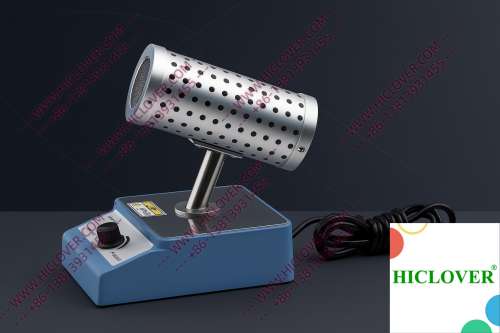
- Rapid Thermal Sterilization: Achieves effective sterilization within seconds.
- Contamination Control: Reduces the potential for aerosol generation.
- Compact Design: Easily fits into biosafety cabinets and limited spaces.
- Environmentally Safe: Operates without flame or alcohol, reducing harmful emissions.
- Low Maintenance: Minimal upkeep due to the durable construction of the ceramic heating chamber.
Real-World Applications of Micro Incinerators
In practical scenarios, Micro Incinerators are proving to be game-changers for various laboratory settings:
Biosafety Cabinets
In BSL-2 and BSL-3 labs, biosafety cabinets are essential for providing a sterile working environment. The integration of Micro Incinerators within these cabinets ensures that inoculating tools can be sterilized without introducing flame or chemicals into the workspace. This setup not only enhances user safety but also preserves the integrity of the sterile environment, allowing researchers to focus on experiments without fear of contamination.
Field Testing Laboratories
Mobile laboratories, especially those involved in field testing for environmental pathogens or when performing clinical diagnostics in remote areas, benefit significantly from flameless sterilizers. The lightweight and portable nature of Micro Incinerators makes them ideal for use outside traditional lab settings, providing efficient and safe sterilization capabilities while adhering to biosafety measures.
Compliance and Environmental Considerations
Organizations must comply with global biosafety standards, including those set forth by the World Health Organization (WHO) and other regulatory bodies. Maintaining sterilization protocols with the Micro Incinerator aligns with these requirements, ensuring labs maintain safety standards while minimizing risks.
Moreover, with increased global concerns around environmental impacts, choosing flameless sterilizers helps labs contribute to a cleaner and more sustainable future. The absence of flames in clean rooms further reduces risks associated with volatile substances, ensuring a safe operational environment.
“Using infrared sterilization methods not only complies with necessary regulations but also fosters a forward-thinking, safe laboratory culture.”
Comparison: Micro Incinerator vs. Traditional Flame Sterilizers
| Feature | Micro Incinerator | Flame Burners |
|---|---|---|
| Heating Method | Infrared Heat | Open Flame |
| Risk of Contamination | Low | High |
| Thermal Efficacy | Rapid | Slower |
| Environmental Safety | High | Medium |
| Ease of Use | Simple Operation | Requires Training |
FAQs about Micro Incinerators
1. What is a Micro Incinerator?
A Micro Incinerator is a flameless sterilizer designed to achieve rapid thermal disinfection using infrared technology, often used for sterilizing inoculating loops and other lab instruments.
2. How does a Micro Incinerator compare with traditional flame sterilizers?
Micro Incinerators offer greater safety, improved contamination control, and faster sterilization times compared to conventional flame sterilizers, eliminating the risks associated with open flames.
3. Is the Micro Incinerator compliant with safety regulations?
Yes, Micro Incinerators adhere to industry standards for laboratory safety and biosafety compliance set forth by organizations like WHO, making them suitable for various laboratory environments.
4. Can I use a Micro Incinerator in a cleanroom?
Yes, the flameless design of the Micro Incinerator allows it to be used in cleanroom environments safely, ensuring sterilization without contaminating the workspace.
5. What maintenance is required for a Micro Incinerator?
Micro Incinerators are designed for low maintenance, primarily requiring occasional cleaning to ensure optimal efficiency and performance.
Conclusion
In conclusion, the adoption of Micro Incinerators represents a significant advancement in laboratory sterilization technology. Offering enhanced safety, compliance with biosafety standards, and environmental sustainability, these flameless ceramic heating sterilizers are perfect for modern lab settings, from clinical diagnostics to university teaching labs. By investing in a Micro Incinerator, labs can ensure a safer work environment while streamlining their sterilization processes. Explore our range of flameless ceramic heating sterilizers today to elevate your laboratory’s operational efficiency!
Categories:
Tags: