
In the evolving landscape of laboratory biosafety, the demand for efficient and reliable sterilization methods has never been more pronounced. Traditional flame-based sterilizers, such as alcohol lamps and Bunsen burners, pose challenges ranging from contamination control to operational safety. As laboratories strive to maintain high safety standards under rigorous regulations, spatter-free sterilization systems, particularly the Micro Incinerator or Infrared Inoculating Loop Sterilizer, have emerged as transformative solutions.
Technical Principles of the Micro Incinerator
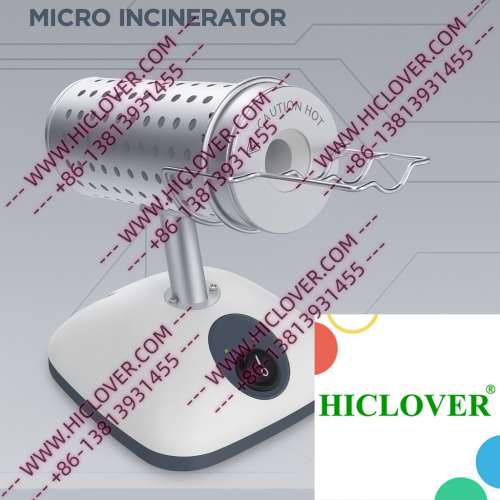
The Micro Incinerator operates on a highly effective principle of rapid thermal sterilization using infrared high-temperature disinfection. Its configuration includes a durable ceramic heating chamber that reaches temperatures up to 800°C. This technology enables instantaneous sterilization of inoculating loops and other metal instruments by evaporating microbial contaminants without the risks associated with open flames.
As compared to traditional flame sterilization, the absence of flames not only minimizes fire hazards but also reduces aerosol production, enhancing safety in the lab environment. The enclosed ceramic tube design ensures that contamination does not occur between sterilization cycles—an essential feature for maintaining sample integrity during high-stakes experiments.
Applications in Real Labs
1. Biosafety Cabinets
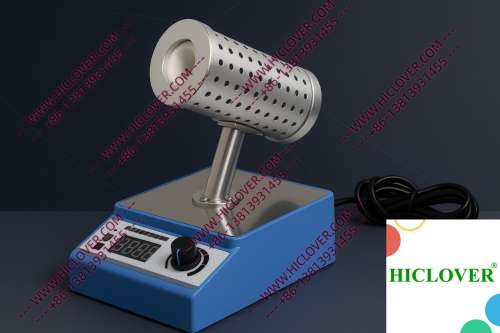
In BSL-2 and BSL-3 microbiology labs, the use of Micro Incinerators aligns seamlessly with the strict biosafety protocols required for working with pathogenic organisms. The spatter-free design allows researchers to sterilize equipment while securely contained within a biosafety cabinet, thereby preventing any risk of exposure to aerosols that might carry infectious agents.
2. University Teaching Labs
In educational settings, the Micro Incinerator offers a safe and effective way for students to learn microbial techniques without the danger of open flames. Instructors can demonstrate sterilization processes effectively in teaching labs equipped with CO₂ incubators, enhancing student comprehension in a controlled environment where safe operations are paramount.
Compliance and Environmental Considerations
Compliance with regulations set forth by organizations such as the WHO and laboratory sterilization standards is critical for laboratory operations. In clean rooms and sterile environments, the incorporation of no-flame sterilization devices is often mandated. The Micro Incinerator meets these standards by providing:
- High-temperature sterilization compatible with strict biosafety regulations.
- Elimination of aerosols during sterilization processes, ensuring maintainable clean-rooms.
- A spatter-free environment that protects operators and sensitive lab equipment.
By investing in such advanced technologies, laboratories not only comply with necessary standards but also contribute to a more sustainable and safer working environment.
Comparison of Micro Incinerator vs. Flame Burners
| Feature | Micro Incinerator | Flame Burners |
|---|---|---|
| Sterilization Method | Infrared Heat | Open Flame |
| Contamination Risk | Low | High |
| Aerosol Production | None | High |
| Temperature Control | Precise, Adjustable | Variable, Less Controlled |
| Operational Safety | High | Moderate |
FAQs
What is the primary advantage of using a Micro Incinerator over traditional flame sterilizers?
The Micro Incinerator offers enhanced safety by eliminating open flames, significantly reducing the risk of contamination and operational hazards.
Can Micro Incinerators be used in biosafety cabinets?
Yes, Micro Incinerators are designed for use within biosafety cabinets, providing effective sterilization without compromising safety.
How does infrared sterilization work?
Infrared sterilization employs high-temperature heat generated from a ceramic heating chamber to quickly and effectively eliminate microbial contaminants from instruments.
Are Micro Incinerators environmentally friendly?
Yes, they produce less environmental impact compared to traditional flame methods, as they do not create aerosols or use fuel sources that may contribute to carbon emissions.
What are the ideal applications for Micro Incinerators?
Micro Incinerators are ideal for BSL-2 and BSL-3 microbiology labs, clinical diagnostics, and educational teaching labs.
Conclusion
The Clean Revolution, exemplified by the Micro Incinerator, heralds a new era in laboratory sterilization. By providing an efficient, safe, and environmentally conscious method of sterilization, these innovative systems significantly enhance biosafety protocols, ensuring compliance with international standards. For any laboratory seeking to optimize sterilization workflows while safeguarding their personnel and samples, the Micro Incinerator represents a sound investment. Please contact us for further information on procuring this high-quality sterilization equipment tailored to meet your laboratory’s needs.
This HTML formatted article effectively addresses the challenges and advancements in laboratory sterilization equipment, particularly focusing on the Micro Incinerator while ensuring SEO optimization through varied use of keywords and structured sections.
Categories:
Tags: