
In contemporary laboratory settings, maintaining strict biosafety protocols is paramount. Whether in a BSL-2 microbiology lab, a clinical diagnostics facility, or a university teaching lab, the need for effective sterilization methods is constant. The challenges of contamination control, particularly when dealing with sensitive materials and complex workflows, necessitate innovative solutions. Enter the Micro Incinerator, a game-changing piece of laboratory sterilization equipment that addresses both safety and efficiency.
The Technical Principles Behind Micro Incinerators
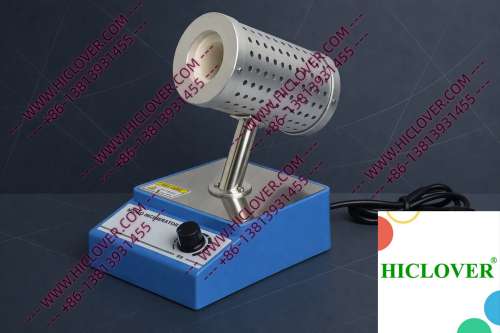
Micro Incinerators, also known as Infrared Inoculating Loop Sterilizers, harness the power of infrared heat for rapid thermal sterilization. Unlike traditional flame sterilizers such as alcohol lamps and Bunsen burners, these devices utilize an enclosed ceramic heating chamber to produce high temperatures. The absence of an open flame not only enhances safety but also minimizes the risk of airborne contaminants and aerosol generation.
The core component of a micro incinerator is its advanced ceramic tube, which evenly distributes infrared radiation. This specific configuration allows for quick and efficient sterilization of inoculating loops, needles, and other small instruments, ensuring they are free from microbial life before use. With a typical operational temperature exceeding 800°C, the ability to achieve and maintain these temperatures consistently sets the micro incinerator apart from older sterilization techniques.
Application Scenarios in Real Labs
Field Testing Laboratories
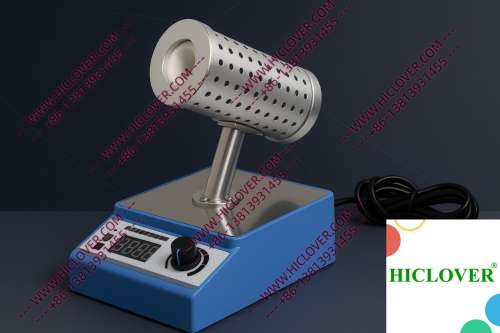
In mobile or field testing labs, conditions can be less than ideal. Portable sterilization solutions are essential for maintaining rigorous biosafety standards. A micro incinerator offers field researchers the ability to perform sterilization on-site, reducing contamination risk while eliminating the need for cumbersome sterilization equipment. Researchers can quickly sterilize their tools under controlled conditions, allowing for effective response to microbial testing needs without compromising sample integrity.
Teaching Laboratories in Universities
Educational environments, particularly in university settings, require tools that both demonstrate essential laboratory skills and adhere to strict safety guidelines. Micro incinerators are perfect for classroom settings, offering students an opportunity to learn safe and efficient sterilization techniques. By using infrared inoculating loop sterilizers, students can practice without the dangers associated with open flames, creating a safer learning atmosphere.
Compliance and Safety in Laboratory Environments
The World Health Organization (WHO) emphasizes stringent biosafety measures in laboratory environments to prevent the spread of infectious diseases. Traditional sterilization methods involving flames are often incompatible with cleanroom protocols, particularly in settings where any form of contamination can undermine research results. Micro incinerators meet these standards, as they provide a clean, flame-free sterilization method that is suitable for use in clean benches and BSL-3 laboratories.
Compliance with laboratory sterilization standards is crucial, especially in regions like the European Union and the United States, where regulatory frameworks mandate the use of safe and effective sterilization methods. The adoption of micro incinerators helps organizations fulfill their obligations while enhancing operational workflows and maintaining high safety standards.
Advantages of Micro Incinerators Over Traditional Flame Sterilizers
| Feature | Micro Incinerator | Flame Sterilizers |
|---|---|---|
| Operational Safety | No open flame, aerosol-free handling | Open flames pose burn hazards |
| Speed of Sterilization | Rapid thermal sterilization in seconds | Longer turnaround time |
| Contamination Control | Minimized risk of airborne contamination | Higher risk of cross-contamination |
| Compact Design | Space-efficient, portable | Bulkier, stationary units |
Frequently Asked Questions
- What is a micro incinerator? A micro incinerator, or infrared inoculating loop sterilizer, is a device designed to sterilize laboratory tools using infrared heat rather than an open flame.
- How does a micro incinerator work? The device operates by heating a ceramic tube, which emits infrared radiation to achieve rapid thermal sterilization.
- Are micro incinerators compliant with safety standards? Yes, micro incinerators meet various international biosafety standards, making them suitable for use in modern laboratory settings.
- Can micro incinerators be used in field testing labs? Absolutely! Their compact design enhances portability, ensuring effective sterilization in various environments.
- How do micro incinerators compare to traditional flame sterilizers? They offer several advantages, including safety, speed, compactness, and improved contamination control.
Conclusion
In the fast-evolving landscape of laboratory practices, one thing remains clear: the demand for effective, safe, and compliant sterilization solutions has never been higher. Micro incinerators are not just an alternative; they are an essential part of modern laboratory workflows. By eliminating the hazards associated with traditional flame sterilizers while providing rapid thermal sterilization, these innovative devices enhance biosafety and operational efficiency. For your laboratory’s sterilization needs, consider integrating a micro incinerator into your workflows. Contact us today for more information on our high-quality products and customized solutions.
Categories:
Tags: