
In laboratory settings, maintaining sterility is paramount for sanitization and contamination control. Particularly in microbiological labs and clinical diagnostics, the challenges associated with traditional sterilization methods, such as Bunsen burners and alcohol lamps, can lead to significant risks. This necessitates the evolution towards advanced sterilization equipment like the Micro Incinerator or Infrared Inoculating Loop Sterilizer, which address these workflow demands with enhanced efficiency and safety.
Understanding the Micro Incinerator
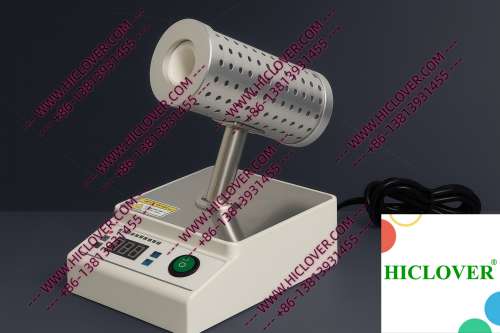
The Micro Incinerator operates on the principle of rapid thermal sterilization through infrared heat. Its enclosed ceramic heating chamber generates high-temperature disinfection, allowing the contamination-free sterilization of inoculating loops in mere seconds. This method not only eliminates the risks associated with open flames but also improves workspace safety. The design of the device ensures that users can handle instruments safely without the worry of aerosol generation common in other flame-based techniques.
Key Features of Micro Incinerators
- Infrared Technology: Provides instant thermal sterilization, reducing wait times.
- Closed Ceramic Tube: Minimizes exposure to heat and prevents contamination.
- Compact and Portable: Easily fits in laboratory spaces, even in field-testing conditions.
- Aerosol-Free Handling: Reduces risks of airborne pathogens during sterilization.
- Environmentally Friendly: Eliminates the need for dangerous flammable gases or chemicals.
Application Scenarios in Laboratories
The use of Micro Incinerators extends to various laboratory environments. Here are two vital application scenarios:
1. Biosafety Cabinets in BSL-2 and BSL-3 Laboratories
In biosafety cabinets designed for high-containment labs, where stringent regulations apply, the Micro Incinerator is essential. It offers a clean-bench-safe method of sterilization that protects both the user and the sample from potential contamination. Unlike flame methods, which might compromise the integrity of the sterile airflow, the compact design of the Micro Incinerator ensures that operations proceed smoothly without disrupting the sterile environment of the cabinet.
2. Teaching Laboratories in Universities
For university teaching labs, where students handle microbial cultures, the Micro Incinerator promotes an educational atmosphere of safety and efficiency. Its user-friendly operation introduces students to modern sterilization techniques devoid of fire hazards. This not only enhances their learning experience but also prepares them for future roles in clinical research or field testing.
Compliance and Environmental Considerations
Compliance with biosafety and sterilization standards is crucial for laboratories, particularly with guidelines established by the World Health Organization (WHO). The Micro Incinerator supports adherence to these standards by minimizing the use of flame, which is not permitted in various clean room environments. Instead, it utilizes infrared heat that is both efficient and compliant, thereby reducing liability and enhancing the lab’s safety profile.
Moreover, adopting this device contributes to better environmental practices in laboratories. Unlike traditional methods that utilize hazardous gases, the Micro Incinerator establishes a cleaner operating environment, aligning with global efforts to reduce chemical footprints in research and educational institutions.
Comparison: Micro Incinerator vs. Flame Burners
| Feature | Micro Incinerator | Flame Burners |
|---|---|---|
| Safety | No open flames | Fire hazards present |
| Speed | Instant sterilization | Variable wait time |
| Portability | Compact design | Bulky |
| Environmental Impact | Eco-friendly | Use of flammable substances |
| Aerosol Generation | None | Risk of aerosols |
Frequently Asked Questions
What is a Micro Incinerator used for?
A Micro Incinerator is used primarily for sterilizing inoculating loops and other small tools in laboratory settings, ensuring no contamination occurs.
How does an Infrared Inoculating Loop Sterilizer differ from traditional flame sterilizers?
Unlike traditional flame sterilizers, which pose fire hazards and may disrupt sterile environments, infrared sterilers work on a closed system that allows for instant and safe sterilization.
Can the Micro Incinerator be used in field testing?
Yes, its compact and portable design makes it suitable for mobile labs and field-testing scenarios where swift and safe sterilization is necessary.
Is the Micro Incinerator compliant with WHO biosafety standards?
Absolutely! The Micro Incinerator adheres to international biosafety regulations, making it a compliant choice for laboratories requiring strict sterilization processes.
How do I incorporate the Micro Incinerator into my laboratory workflow?
The Micro Incinerator can easily be integrated into routine sterilization tasks in biosafety cabinets, teaching labs, or clinical environments, enhancing efficiency and safety.
Conclusion
In a world where laboratory hygiene and safety are more crucial than ever, products like the Micro Incinerator / Infrared Inoculating Loop Sterilizer stand out for their innovative technology and user-friendly design. Transitioning to this advanced tool not only enhances workflow efficiency but also ensures compliance with important safety norms, whether you are in a BSL-2 lab in London or a teaching lab in New York. If you’re considering improving your laboratory sterilization processes, contact us today to explore the benefits of the Micro Incinerator for your facility.
Categories:
Tags: