
In modern laboratories, maintaining a sterile environment is paramount to ensure safety and accuracy, particularly in high-stakes scenarios such as BSL-2 and BSL-3 microbiology labs. As the complexities of laboratory workflows evolve, the emergence of innovative sterilization solutions becomes essential for effective contamination control. Among these solutions, the Micro Incinerator or Infrared Inoculating Loop Sterilizer is gaining recognition for its superior performance over traditional flame sterilizers, such as alcohol lamps and Bunsen burners.
The Need for Enhanced Laboratory Biosafety
Laboratories face a myriad of biosafety challenges, ranging from the risk of aerosol generation to the difficulties associated with traditional flame sterilization methods. The necessity for touch-free sterilization techniques has never been more urgent, especially in environments that require high precision and stringent hygiene standards. Affected sectors include clinical diagnostics, research centers, and academic institutions, all of which require reliable sterilization procedures that do not compromise the integrity of their experiments or the safety of their personnel.
Technical Principles of Infrared Sterilization
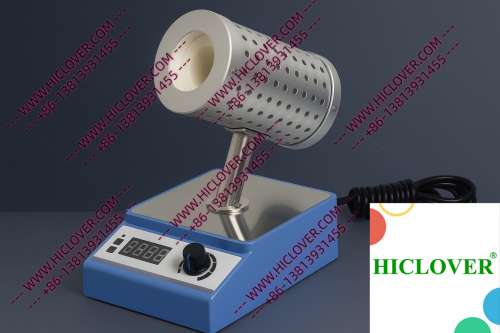
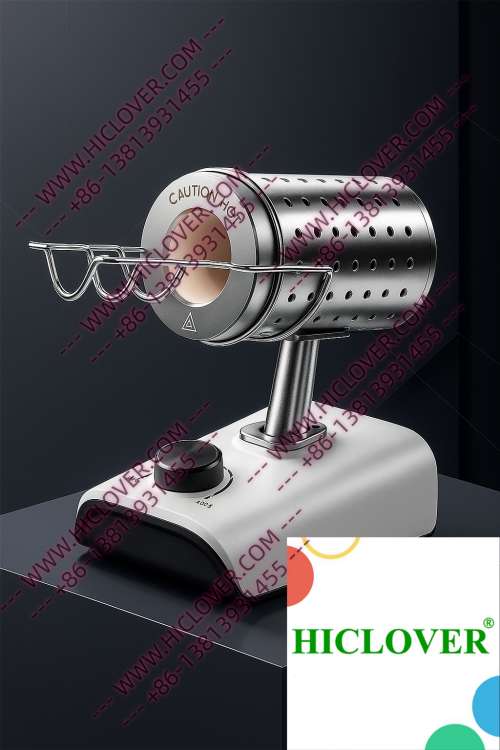
The Micro Incinerator utilizes advanced infrared technology to achieve rapid thermal sterilization. This system operates through an enclosed ceramic heating chamber that emits concentrated infrared heat, allowing for efficient and thorough disinfection of inoculating loops and other small tools. The absence of open flames not only enhances the safety of the operator but also ensures that the sterile environment remains uncontaminated by soot or other combustion by-products, making it ideal for clean rooms and biosafety cabinets.
Applications of Micro Incinerators in Real Labs
- Biosafety Cabinets: In laboratories that deploy biosafety cabinets, the use of Micro Incinerators ensures a clean workspace without the introduction of contaminants commonly associated with traditional flame-based sterilization. Lab workers can confidently sterilize tools while working within the safety confines of the biosafety cabinet, thus upholding strict biosafety protocols.
- Teaching Labs: Educational institutions benefit significantly from adopting infrared inoculating loop sterilizers. In teaching labs, where students are learning the intricacies of microbiological methods, providing a touch-free sterilization option minimizes the risk of accidents and enhances the learning experience. Students can focus on the practical aspects of microbiology without the distractions or dangers posed by open flames.
Compliance with Biosafety Standards
To align with global biosafety requirements, sterilization practices in laboratories must adhere to stringent standards. The World Health Organization (WHO) outlines clear guidelines governing laboratory safety and sterilization protocols, emphasizing the need for efficient disinfection methods that minimize contamination risks. In clean rooms, the presence of open flames is strictly prohibited, making infrared technologies a profound solution for compliant lab operations.
The Micro Incinerator’s flame-free operation provides laboratories with a modern approach to ensure safety while still meeting required sterilization standards.
Advantages of Infrared Sterilizers Over Traditional Flame Methods
When comparing the Micro Incinerator to traditional flame burners, several advantages emerge:
| Feature | Infrared Micro Incinerator | Traditional Flame Burners |
|---|---|---|
| Temperature Control | Rapid and precise | Variable and less controlled |
| Safety | Touch-free, no flame | Open flames increase risk |
| Contamination | Closed system prevents soot | Burnt residues can contaminate samples |
| Efficiency | Quick startup and cooldown | Longer ignition times |
FAQs about Micro Incinerators
- What makes Infrared Inoculating Loop Sterilizers more effective than flame sterilizers?
Infrared sterilizers utilize focused heat for faster and more efficient sterilization without the risks associated with open flames. - Can a Micro Incinerator be used in a field testing environment?
Yes, its portable design makes it suitable for mobile laboratories and field testing applications where traditional methods may be impractical. - How does the cleaning process differ for infrared sterilizers?
Micro Incinerators require minimal maintenance and can be wiped down easily, in contrast to traditional burners that often accumulate soot and require more extensive cleaning routines. - What protocols should labs follow when implementing a Micro Incinerator?
Labs should adhere to WHO biosafety standards and ensure operator training on safe usage and potential hazards specific to their environment. - Are Micro Incinerators energy-efficient?
Absolutely, these devices are designed to consume less energy while delivering effective sterilization.
Conclusion
As laboratories continue to pursue advancements in hygiene and safety protocols, touch-free sterilization methods like the Micro Incinerator stand out as an essential tool in contemporary laboratory settings. The intersection of efficiency, safety, and compliance emphasizes the importance of evolving beyond conventional flame sterilization methods. For laboratories looking to enhance their sterilization processes, investing in cutting-edge technology like infrared inoculating loop sterilizers is a step toward a safer, more effective workflow. For inquiries regarding our Micro Incinerator units, please feel free to contact us or explore our product offerings today!
Categories:
Tags: