
In today’s bioscience world, laboratory sterilization is an integral component of successful research and diagnostics. Various challenges come into play, including the need for rapid sterilization processes, effective contamination control, and adherence to stringent biosafety regulations. Traditional methods, such as Bunsen burners and alcohol lamps, while widely used, may not always provide the best solutions. In this landscape, the Micro Incinerator or Infrared Inoculating Loop Sterilizer emerges as an innovative, low-smoke alternative that meets evolving laboratory demands.
Technical Principles of Micro Incinerators
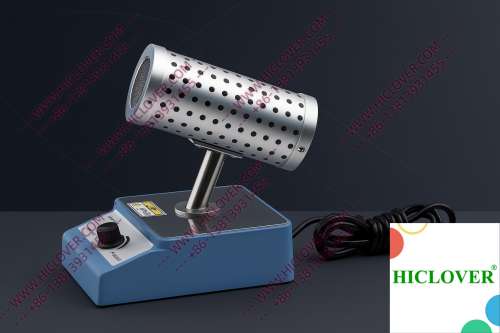
The Micro Incinerator operates on the principle of infrared heat, utilizing an enclosed ceramic heating chamber to produce high-temperature disinfection efficiently. The infrared heating technology enables rapid thermal sterilization without the need for an open flame, significantly reducing the risk of fire hazards in clean environments. This system offers a precise and consistent temperature control, providing a reliable solution for sterilizing inoculating loops, needles, and other laboratory tools.
Design Features and Configuration
Micro Incinerators are typically designed with a compact footprint, making them suitable for biosafety cabinets and laboratory benches. The ceramic tube is essential in ensuring that the high temperatures are maintained for adequate sterilization, while also providing quick recovery times between uses. The unit can reach temperatures exceeding 800°C in seconds, effectively sterilizing tools and enhancing workflow efficiency. Additionally, the enclosed design minimizes aerosol generation, aligning with today’s stringent biosafety expectations.
Application Scenarios in Real Laboratories
Application 1: Biosafety Cabinet Usage
In BSL-2 and BSL-3 microbiology labs, maintaining a sterile environment is critical. Utilizing a Micro Incinerator within a biosafety cabinet allows researchers to quickly sterilize inoculating loops without compromising the sterile airflow inside the cabinet. This capability ensures that studies involving pathogenic organisms remain secure and that the risk of cross-contamination is minimized, supporting compliance with WHO biosafety standards.
Application 2: Educational Laboratory Settings
University teaching labs benefit significantly from Micro Incinerators, as they offer students a safe and efficient means of practicing sterilization techniques. Unlike flame sterilizers, the risk of accidental burns is negligible, making learning experiences safer. The quick and effective sterilization of various tools enhances laboratory workflows, ensuring that educators can focus on instilling knowledge without disruptions.
Compliance with Regulatory Standards
Laboratories must comply with numerous regulations to ensure safe working environments. The introduction of low-smoke sterilization technologies like the Micro Incinerator aligns with WHO biosafety regulations, emphasizing the need to control aerosol production and fire risks associated with traditional flame-based sterilizers. In cleanroom environments where open flames are strictly prohibited, the Micro Incinerator serves as a compliant solution for sterilization needs.
Biosafety and Lab Sterilization Standards
Compliance with lab sterilization standards includes:
- Adherence to ISO 13485 for quality management in medical devices
- Compliance with the CDC’s Laboratory Biosafety Guidelines
- Implementation of best practices outlined by the National Institutes of Health (NIH)
Advantages Over Traditional Flame Sterilizers
When comparing the Micro Incinerator to traditional flame sterilizers, several advantages become apparent:
| Feature | Micro Incinerator | Traditional Flame Sterilizers |
|---|---|---|
| Safety | Low-smoke, no open flame | Risk of burns, open flame hazards |
| Sterilization Speed | Instant heat | Requires time to ignite and stabilize flame |
| Contamination Control | Aerosol-free handling | Possible aerosol generation |
| Efficiency | High thermal efficiency with low energy consumption | Variable efficiency based on flame control |
Frequently Asked Questions (FAQs)
1. What is the primary advantage of using a Micro Incinerator over a Bunsen burner?
The primary advantage is enhanced safety, as Micro Incinerators do not produce an open flame and reduce the risk of unintended fires and burns.
2. Can Micro Incinerators be used in field testing laboratories?
Yes, Micro Incinerators are portable and can easily be integrated into field testing labs where traditional sterilization methods may pose hazards.
3. How does a Micro Incinerator handle aerosol generation during sterilization?
Due to its enclosed design and infrared heat, the Micro Incinerator minimizes aerosol production, making it a clean alternative for sterilizing lab tools.
4. Are Micro Incinerators compliant with international biosafety regulations?
Yes, they meet WHO biosafety requirements and various international standards regarding laboratory sterilization and safety regulations.
5. What materials can be effectively sterilized using a Micro Incinerator?
Micro Incinerators can effectively sterilize inoculating loops, needles, and various metal tools commonly used in laboratories.
Conclusion
The Micro Incinerator and Infrared Inoculating Loop Sterilizer represent a leap forward in laboratory sterilization technology, meeting challenges with efficiency, safety, and compliance. By integrating this innovative equipment into your laboratory workflows, you can not only enhance productivity but also ensure a safer working environment in accordance with biosafety guidelines. For inquiries, further information, or to make a purchase, please don’t hesitate to contact us. Elevate your laboratory’s sterilization practices today!
Categories:
Tags: