
Laboratories worldwide face significant biosafety challenges, particularly when it comes to sterilization workflows. The demand for effective sterilization methods is crucial to prevent contamination and ensure safety within research, clinical diagnostics, and educational environments. Traditional flame sterilization methods, such as alcohol lamps and Bunsen burners, have been time-consuming and pose risks of burns or aerosol generation. Enter the Micro Incinerator, or Infrared Inoculating Loop Sterilizer, an innovative solution that bridges efficiency and eco-friendliness in laboratory sterilization.
Technical Principles of Micro Incinerators
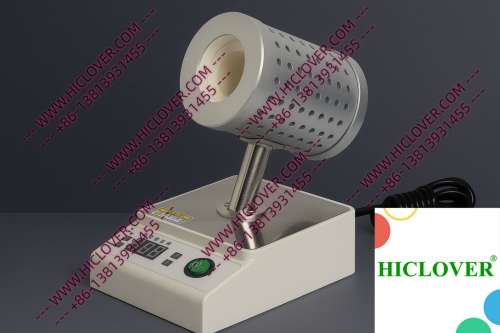
The Micro Incinerator operates on the principle of radiant infrared heat, which provides rapid thermal sterilization through highly efficient and localized heating. Unlike traditional flame-based systems, these devices utilize a ceramic heating chamber that reaches high temperatures quickly, ensuring rapid disinfection while significantly reducing the risk of generating aerosols or open flames.
This technology achieves efficient sterilization by enclosing the heating elements within a protective casing. Thus, operators can safely sterilize inoculating loops, scalpels, and glass rods without the hazards associated with flames. As such, the Micro Incinerator is designed to be clean-bench-safe and ideal for environments where contamination control is paramount.
Application Scenarios in Real Laboratories
The versatility of Micro Incinerators makes them indispensable across various laboratory settings. Here are two application scenarios that highlight their utility:
Biosafety Cabinet Usage
In a BSL-2 or BSL-3 microbiology lab, contamination control is a significant concern. Micro Incinerators can be conveniently used inside biosafety cabinets for sterilization without any risk of igniting flammable materials or generating dangerous aerosols. As researchers work with infectious agents, the Micro Incinerator provides reliable and immediate loop sterilization, thereby enhancing workflow efficiency while adhering to strict biosafety standards.
Field Testing Applications
Mobile or field-testing labs often operate in dynamic environments, lending them a unique set of challenges for sterilization. For example, while testing environmental samples potentially contaminated with pathogens, scientists require an on-the-spot sterilization solution. The Micro Incinerator’s portability and rapid preheating capabilities make it a perfect companion for field researchers requiring compliance with sterilization protocols without sacrificing speed or safety.
Compliance and Environmental Considerations
The WHO has established strict biosafety practices and lab sterilization standards to ensure operability without compromising safety. As such, the Micro Incinerator adheres to these regulations by eliminating flame use in clean rooms and sensitive environments. The eco-friendliness of this device further supports lab sustainability goals. Instead of relying on high-energy-consuming equipment or disposable solutions, laboratories can implement a more sustainable system that conserves energy while maintaining compliance.
Moreover, the infrared sterilization process is not only efficient but also creates a lower carbon footprint compared to traditional sterilization methods, further aligning with global movements for environmental sustainability within scientific research.
Comparative Overview: Micro Incinerator vs. Flame Burners
| Feature | Micro Incinerator | Flame Burners |
|---|---|---|
| Heating Method | Infrared | Open Flame |
| Speed of Sterilization | Rapid | Time-consuming |
| Risk of Contamination | Low | High |
| Aerosol Generation | No | Yes |
| Safety | High | Medium |
FAQs About Micro Incinerators
-
What is the main advantage of using a Micro Incinerator over a flame sterilizer?
The main advantage of a Micro Incinerator is its rapid sterilization capabilities without the risks associated with open flames, such as burns or aerosolization of pathogens.
-
Can Micro Incinerators be used in clean room environments?
Yes, Micro Incinerators are designed to be clean-bench-safe and are ideal for use in clean rooms due to their lack of open flames and reduced aerosol risk.
-
How quickly does a Micro Incinerator heat up?
Micro Incinerators achieve high temperatures within seconds, allowing for immediate sterilization of equipment.
-
Are Micro Incinerators compliant with WHO biosafety standards?
Yes, Micro Incinerators adhere to WHO biosafety guidelines and laboratory sterilization standards, supporting safe laboratory practices.
-
What types of labs typically use Micro Incinerators?
Micro Incinerators are commonly used in BSL-2 and BSL-3 microbiology labs, clinical diagnostics, university teaching labs, and mobile or field testing laboratories.
Conclusion
In summary, the adoption of Micro Incinerators signifies a notable evolution in laboratory sterilization technologies, addressing the multifaceted needs of modern research environments. Their efficiency, safety, and environmental sustainability make them an essential tool in the quest for reliable sterilization solutions.
For laboratories seeking to upgrade their sterilization practices, the Micro Incinerator offers an eco-friendly option that enhances productivity and safety. Explore our product range today to find the ideal Micro Incinerator for your laboratory needs!
Categories:
Tags: