
The modern laboratory faces numerous biosafety challenges, particularly concerning contamination control and effective sterilization methods. As laboratories strive to maintain high standards of hygiene, they are increasingly turning to innovative sterilization equipment, specifically the Micro Incinerator or Infrared Inoculating Loop Sterilizer. This advanced technology is not only enhancing sterilization workflows but also ensuring compliance with global biosafety standards.
Understanding the Technical Principles
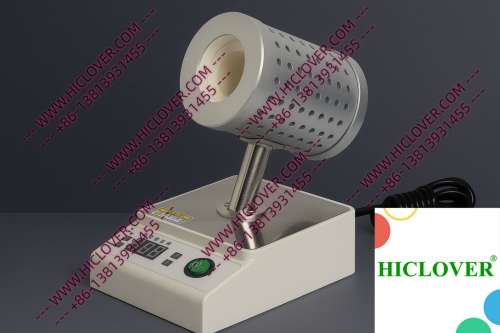
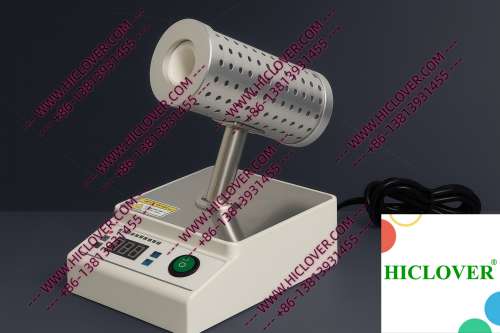
At the core of the Micro Incinerator’s efficiency lies its cutting-edge configuration. Utilizing infrared heat, the sterilizer features an enclosed ceramic heating chamber that provides rapid thermal sterilization. This innovative design ensures a consistently high-temperature disinfection process, dramatically reducing the time required for traditional sterilization methods such as alcohol lamps or Bunsen burners, which can often lead to inadequate sterilization or dangerous open flames.
The infrared technology enables quick temperature reaching and uniform heating across surfaces, which is essential for effective sterilization. Moreover, the absence of open flames improves safety protocols in laboratories, particularly in areas sensitive to ignition sources, such as biosafety cabinets and clean rooms.
Comparing Micro Incinerators to Traditional Flame Sterilizers
| Feature | Micro Incinerator | Traditional Flame Sterilizers |
|---|---|---|
| Sterilization Speed | Instant heating, rapid cycles | Slower, manual control |
| Safety | No open flame; lower risk | Open flame; higher risk |
| Portability | Compact and easy to transport | Often heavier and bulkier |
| Ease of Use | Simple one-button operation | Requires more skill and attention |
| Compliance | Meets WHO biosafety standards | May not meet clean room requirements |
Application Scenarios in Real Laboratories
1. Biosafety Cabinet Usage
In a BSL-2 microbiology lab setting, the Micro Incinerator is an invaluable tool for researchers handling various pathogens. When working within a biosafety cabinet, it’s essential to minimize contamination risks. The use of an infrared inoculating loop sterilizer allows researchers to quickly sterilize loops and other small instruments, promoting a clean environment without disrupting airflow or creating harmful aerosols.
2. Field Testing Laboratories
In mobile or field testing labs, the portability of the Micro Incinerator is a significant advantage. Researchers conducting environmental tests in remote locations require reliable sterilization methods that can be implemented on-site. The ease of use and ability to work without an external gas source or electricity makes this sterilizer ideal for such situations.
Compliance with Safety and Sterilization Standards
Global health organizations, including the World Health Organization (WHO), have established stringent biosafety standards that laboratories must adhere to. Utilizing advanced sterilization technologies like the Micro Incinerator helps ensure compliance with these essential safety measures by eliminating the risks associated with open flames and ensuring thorough sterilization.
Moreover, the absence of flames in clean rooms is critical for maintaining sterile conditions. The Micro Incinerator’s design protects these controlled environments from contamination, making it an essential component in many facilities focused on sensitive biological work.
Why Choose Micro Incinerators?
When considering effective sterilization equipment, the following advantages of Micro Incinerators stand out:
- Rapid thermal sterilization and immediate results
- Enhanced safety with no open flames
- Compact design suitable for various laboratory settings
- Easy to use, facilitating training and operational efficiency
- Compliance with international biosafety and sterilization standards
FAQs
What is a Micro Incinerator?
A Micro Incinerator is a sterilization device that uses infrared heat to quickly and effectively sterilize inoculating loops, needles, and small instruments, eliminating the need for traditional open flame sterilizers.
How does an infrared inoculating loop sterilizer work?
The infrared inoculating loop sterilizer uses an enclosed ceramic tube that heats up rapidly to a high temperature, allowing for instant sterilization of the instruments placed within it.
Are Micro Incinerators safe for use in BSL-3 labs?
Yes, Micro Incinerators are safe for BSL-3 labs as they do not produce open flames, which aligns with safety protocols required in high-containment settings.
Can I use a Micro Incinerator in a clean room environment?
Absolutely! Micro Incinerators are specially designed to be used in clean room environments, ensuring no contamination occurs due to open flames.
What types of labs benefit the most from using a Micro Incinerator?
Clincial diagnostics labs, university teaching labs, and mobile field testing labs can greatly benefit from the efficiency and safety provided by Micro Incinerators.
Conclusion
As laboratories continue to confront the challenges of biosafety and effective sterilization, the Micro Incinerator / Infrared Inoculating Loop Sterilizer stands at the forefront of innovation. By integrating advanced sterilization solutions into your lab, not only do you enhance safety standards, but you also streamline your sterilization workflows. If you are ready to elevate your laboratory’s hygiene practices, we invite you to explore our premium range of Micro Incinerators now!