
In modern laboratories, the quest for stringent biosafety protocols and effective sterilization practices presents numerous challenges. With labs operating in high-stakes environments, such as BSL-2 and BSL-3 microbiology facilities, ensuring thorough disinfection without compromising safety or workflow becomes paramount. Traditional flame sterilizers, such as alcohol lamps and Bunsen burners, while historically utilized, present significant drawbacks—primarily in safety, efficiency, and cleanliness. The advent of advanced sterilization technologies, such as the Micro Incinerator or Infrared Inoculating Loop Sterilizer, offers a compelling alternative that meets contemporary demands for rapid thermal sterilization.
Understanding the Micro Incinerator
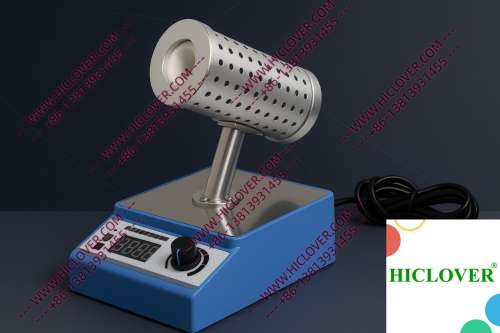
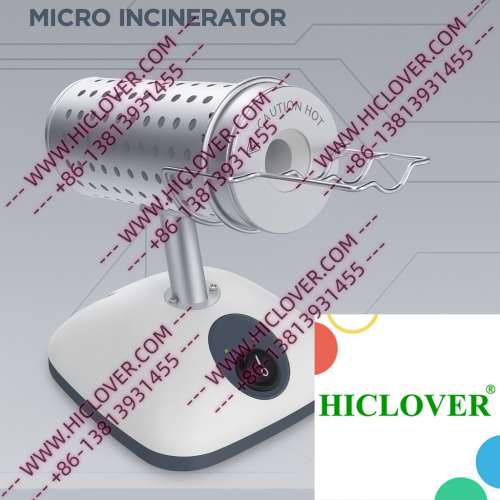
The Micro Incinerator employs advanced infrared heat technology that dramatically enhances sterilization efficiency. Unlike conventional flame-based systems, this device utilizes a ceramic heating chamber, perfectly encapsulated, to provide targeted high-temperature disinfection. This enclosed system aids in contamination control and offers a rapid warm-up time, achieving optimal temperatures in under 10 seconds. Through infrared radiation, the incinerator effectively sterilizes inoculating loops and other laboratory tools without the spatter associated with traditional methods.
Key Features:
- Rapid Sterilization: Achieves sterilization in less than 10 seconds.
- Enclosed Heating Element: Minimizes potential hazards and contamination.
- Safety-Centric Design: Eliminates risks associated with open flames.
- Aerosol-Free Handling: Improves safety during sterilization.
- Low Maintenance: Reduced need for fuel and associated cleaning tasks.
- What is the ideal sterilization temperature for the Micro Incinerator?
The Micro Incinerator typically reaches temperatures up to 815°C, ensuring effective sterilization within seconds.
- Can the Micro Incinerator be used in a biosafety cabinet?
Yes, its flameless nature makes it suitable for use in biosafety cabinets, enhancing contamination control.
- How often do I need to clean the Micro Incinerator?
Unlike traditional sterilisers, maintenance is minimal. A simple wipe-down after extensive use is usually sufficient.
- Is the Micro Incinerator suitable for field use?
Absolutely! Its portability and reliability make it ideal for field testing scenarios.
- What safety certifications does the Micro Incinerator have?
This device typically meets various international safety standards, including those outlined by WHO and local regulatory bodies.
Applications of the Micro Incinerator in Real Laboratories
Utilizing the Micro Incinerator within various laboratory environments ensures adherence to stringent biosafety practices while enhancing operational efficiency. Here are two application scenarios:
1. Biosafety Cabinets
In BSL-2 and BSL-3 microbiology labs, the use of biosafety cabinets is essential for protecting personnel from exposure to pathogens. Integrating a Micro Incinerator allows microbiologists to sterilize instruments efficiently without introducing the risks associated with open flames. As care must be taken to maintain a contamination-free environment in these cabinets, utilizing a flameless sterilization method reduces the chance of aerosol generation, further safeguarding both the samples and operators.
2. Field Testing and Mobile Labs
Field testing conditions often involve dealing with unpredictable environments. Utilizing a Micro Incinerator in such scenarios increases portability and reliability. Researchers can sterilize field equipment on-site, ensuring samples are handled with minimal risk of contamination. The lightweight and compact design of the Micro Incinerator makes it an invaluable asset in mobile laboratories, especially when access to electricity is limited or when closed flame sterilization is impractical.
Compliance and Environmental Considerations
Compliance with global biosafety standards is crucial to maintain laboratory integrity. The World Health Organization (WHO) sets forth strict guidelines for laboratory safety and sterilization in healthcare settings. Utilizing a Micro Incinerator aligns with these standards, particularly in cleanroom environments where no flame operations are a necessity. Its operation ensures minimal particulates are released into the air, creating a safer space for personnel and protecting sensitive equipment.
As laboratories are increasingly scrutinized for compliance with safety standards, adopting advanced sterilization solutions doesn’t just enhance efficiency; it fortifies the entire operational framework against potential hazards.
Comparing Micro Incinerator to Traditional Flame Sterilizers
| Feature | Micro Incinerator | Traditional Flame Sterilizers |
|---|---|---|
| Speed of Sterilization | Under 10 seconds | Varies (typically longer) |
| Safety | Aerosol-free, no open flames | Risk of burns, open flame hazards |
| Contamination Control | Enclosed system prevents contamination | Open flames can create aerosolized particles |
| Maintenance | Low maintenance required | Higher maintenance (fuel, cleaning) |
| Portability | Lightweight, portable | Heavier, often stationary |
Frequently Asked Questions
Conclusion
As laboratories evolve to meet the demands of modern scientific research, adopting efficient and safe sterilization technologies such as the Micro Incinerator is essential. By transitioning from traditional flame sterilizers to infrared inoculating loop sterilizers, laboratory settings can enhance their biosafety protocols, streamline their workflows, and create safer environments for personnel and samples alike. For inquiries on how the Micro Incinerator can be integrated into your laboratory operations, we encourage you to reach out for a consultation or purchase today!
Categories:
Tags: