
As laboratories continue to evolve in safety and efficiency, the demand for effective sanitization methods becomes increasingly critical. Laboratories worldwide face significant biosafety challenges, primarily related to sterilization workflows, contamination control, and waste disposal management. In response, the introduction of Micro Incinerators, specifically Infrared Inoculating Loop Sterilizers, has emerged as a revolutionary solution. These devices not only streamline sterilization processes but also ensure a more sustainable approach to waste disposal in the laboratory environment.
Technological Principles Behind Micro Incinerators
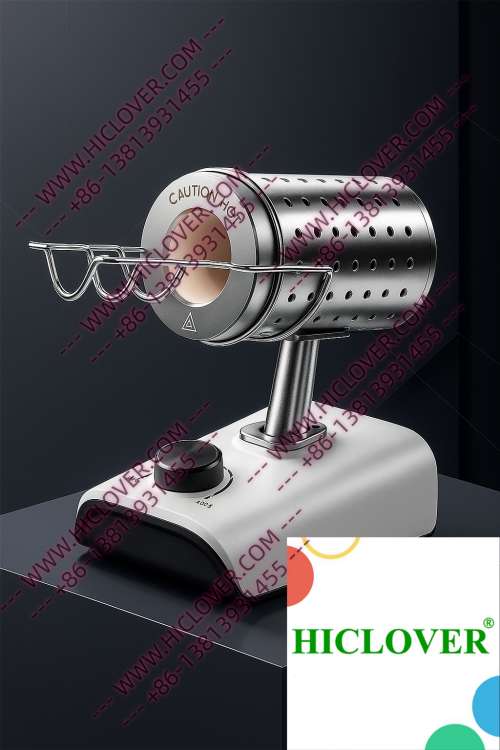
The Infrared Inoculating Loop Sterilizer operates on the principle of rapid thermal sterilization. Utilizing infrared heat within an enclosed ceramic heating chamber, it facilitates high-temperature disinfection without the use of flames. This precise heating method ensures that tools or inoculating loops are sterilized quickly and uniformly, minimizing the time required between experiments or operations.
One of the defining characteristics of micro incinerators is their ability to concentrate heat in a controlled environment. This efficiency not only reduces energy consumption but also lessens the potential risks associated with traditional flame sterilizers like Bunsen burners or alcohol lamps, which can produce aerosols and pose additional biosafety hazards.
Application Scenarios in Real Labs
1. Biosafety Cabinets
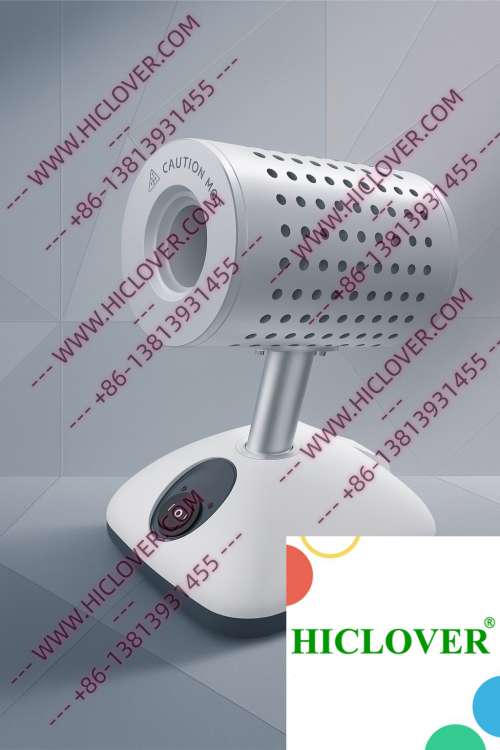
In BSL-2 and BSL-3 microbiology labs, the central concern revolves around creating a sterile and safe working environment. Micro Incinerators provide a clean-bench-safe sterilization solution that fits seamlessly within biosafety cabinets. These environments require strict control over contamination risks, and the infrared sterilizer allows for rapid disinfection of inoculating loops without introducing additional ignitable materials that could compromise safety.
2. Field Testing Environments
When conducting mobile or field tests, laboratories often grapple with suboptimal conditions for sterilization. The compact and portable nature of Micro Incinerators makes them an ideal choice for operational use in various settings. Their lightweight design ensures that scientists in the field can perform efficient sterilization on-site, effectively managing the sterilization workflow without the need for cumbersome paraphernalia like traditional combustion-based methods.
Environmental Compliance and Standards
Globally, the World Health Organization (WHO) and various lab sterilization standards emphasize the importance of maintaining rigorous sterilization protocols to ensure biosafety. Micro Incinerators align perfectly with these regulations by eliminating flame usage, making them particularly suitable for clean rooms where any form of open flame would be dangerous.
Achieving compliance with environmental and biosafety guidelines is crucial for laboratories aiming to reduce their ecological footprint. The shift to infrared sterilization not only enhances operational safety but also promotes sustainability by significantly cutting down on energy consumption. This is particularly valuable in regions like China, where urbanization and technological advancement continue at an unprecedented pace.
Comparative Benefits: Micro Incinerator vs. Traditional Flame Sterilizers
| Feature | Micro Incinerator | Flame Sterilizers |
|---|---|---|
| Heating Method | Infrared | Flame |
| Safety | Low-risk (no flame) | High-risk (open flame) |
| Energy Efficiency | High | Moderate |
| Handling | Aerosol-free | Aerosol-producing |
| Applications | Biosafety, field testing | General lab use |
Frequently Asked Questions
- What makes micro incinerators advantageous for laboratory sterilization? Micro incinerators offer rapid thermal sterilization without the risks associated with flame sterilization. Their enclosed design ensures contamination control and increased safety.
- Can micro incinerators be used in BSL-2 and BSL-3 labs? Yes, micro incinerators are ideal for BSL-2 and BSL-3 labs due to their clean-bench-safe capabilities and compliance with biosafety standards.
- Are micro incinerators environmentally friendly? Yes, they reduce energy consumption and do not produce harmful residues that can be associated with traditional flame methods.
- How long does it take to sterilize tools using a micro incinerator? The sterilization process is rapid, typically taking seconds to achieve effective sterilization, depending on the material being sterilized.
- What are the maintenance requirements for a micro incinerator? Micro incinerators require minimal maintenance, primarily periodic cleaning of the ceramic heating chamber to ensure consistent performance.
Conclusion
As laboratory workflows and biosafety standards continue to advance, the incorporation of Micro Incinerators within sterilization practices stands to redefine the framework of waste disposal and sterilization equipment. The benefits—ranging from improved safety to sustainability—position these devices as essential assets in various settings, including clinical diagnostics and university teaching labs. For institutions looking to elevate their laboratory practices while maintaining strict compliance and safety standards, investing in a Micro Incinerator is a forward-thinking decision.
For inquiries about our selection of Micro Incinerators or to discuss how integrating infrared inoculating loop sterilizers can enhance your laboratory operations, please don’t hesitate to contact us.
Categories:
Tags: