
In the ever-evolving landscape of laboratory biosafety, the challenge remains: how to achieve efficient sterilization without compromising safety or workflow efficiency. As laboratories across China demand innovative solutions, the emergence of advanced sterilization technologies like the Micro Incinerator / Infrared Inoculating Loop Sterilizer is making waves. This article delves into the practical challenges faced in sterilization workflows, the technical principles behind these modern devices, and their application scenarios in real-world laboratories.
Challenges in Laboratory Biosafety
The primary goal of any laboratory, particularly those operating under varying biosafety levels (BSL-2 / BSL-3), is to maintain a contamination-free environment. Traditional methods of sterilization, such as alcohol lamps and Bunsen burners, can introduce environmental hazards and inefficiencies. Flame-based sterilizers not only emit aerosols, but they also present fire risks, complicating sterile field maintenance and increasing chances of contamination during microbial isolation procedures.
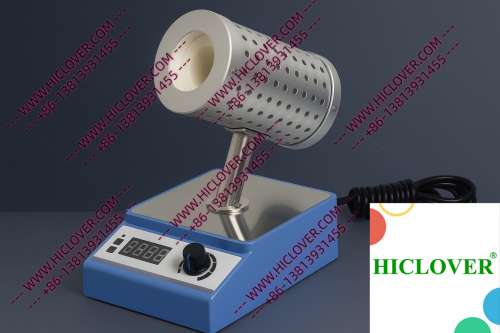
In contrast, the Micro Incinerator offers a reliable alternative, providing rapid thermal sterilization that is both clean and efficient. By eliminating the inherent risks associated with open flames, researchers can focus more on their experimental workflows, ensuring optimal performance and accuracy while adhering to strict compliance standards.
Technical Principles Behind Micro Incinerators
The Micro Incinerator operates on the principle of infrared high-temperature disinfection, utilizing a specialized ceramic heating chamber enclosed within an insulated shell. When the device is activated, infrared heat penetrates the inoculating loop or tools placed inside the chamber, achieving sterilization within seconds. This enclosed design eliminates the exposure seen in traditional flame sterilization, making it safer for laboratory environments.
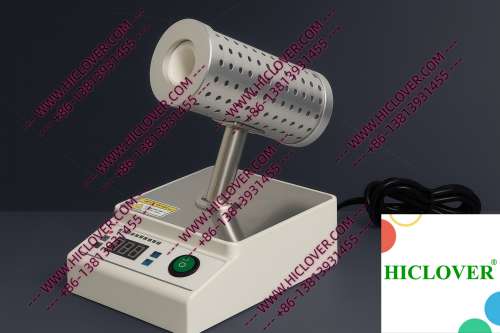
- Rapid Thermal Sterilization: Achieves sterilization in a matter of seconds.
- Aerosol-Free Handling: Prevents the release of particles into the air, enhancing biosafety.
- Clean-Bench-Safe: Protects sterile work areas from contamination.
- Energy Efficient: Low power consumption with high output efficiency.
Application Scenarios in Real Labs
1. Biosafety Cabinets
In laboratories equipped with biosafety cabinets, the need for stringent contamination control becomes paramount. The Micro Incinerator fits seamlessly within the workflows of these controlled environments. After handling potentially hazardous materials, researchers can quickly sterilize inoculating loops and other tools right inside the cabinet. This ensures that the sterile field remains undisturbed and free from external contaminants, fostering a safe and efficient research environment.
2. Field Testing Scenarios
Field testing often involves challenging conditions, where traditional sterilization methods may not be feasible. The portability and rapid operation of the Micro Incinerator make it an ideal choice for mobile labs or field operations. Researchers can conduct microbial tests in outdoor environments, away from standard lab setups, without the risk of ignition from open flames. This flexibility allows for innovative approaches to environmental sampling and pathogen detection.
Compliance and Environmental Considerations
Adhering to global biosafety standards, such as those set by the World Health Organization (WHO), is crucial for laboratories worldwide. The use of the Micro Incinerator aligns perfectly with these standards, especially in clean rooms or environments where no open flames are permitted. This compliance ensures a safer working atmosphere while minimizing ecological impacts.
Furthermore, these devices contribute to sustainable laboratory practices by reducing energy consumption and waste generation compared to traditional methods. Given China’s commitment to environmental protection in healthcare, the adoption of advanced sterilization technologies plays a significant role in aligning laboratory operations with government mandates.
Comparison: Micro Incinerator vs. Traditional Flame Burners
| Feature | Micro Incinerator | Flame Burners |
|---|---|---|
| Heat Source | Infrared heat | Open flame |
| Contamination Risk | Low | High |
| Operating Time | Seconds | Variable |
| Safety | Safe for clean environments | Fire hazards present |
| Portability | High | Low |
Frequently Asked Questions
1. What is the primary benefit of using a Micro Incinerator over traditional flame sterilizers?
The primary benefit is safety. The enclosed design and infrared technology eliminate the risk of aerosol generation and fire hazards, making it more suitable for sensitive lab environments.
2. Can the Micro Incinerator be used in a field testing environment?
Absolutely! Its portable design and rapid sterilization capabilities make it ideal for field testing applications, allowing for efficient sample processing in various conditions.
3. How does the Micro Incinerator comply with WHO standards?
The Micro Incinerator meets WHO standards by providing an efficient and safe method of sterilization that minimizes contamination risks and adheres to biosafety protocols.
4. Is the Micro Incinerator energy-efficient?
Yes, it operates on low power while delivering high performance, making it an energy-efficient option for laboratories.
5. How quickly can I achieve sterilization with a Micro Incinerator?
Sterilization can be achieved in just a few seconds, significantly reducing downtime in your laboratory workflows.
Conclusion
The evolution of sterilization technology is paramount for laboratories seeking to navigate the dual demands of safety and efficiency. The Micro Incinerator / Infrared Inoculating Loop Sterilizer epitomizes this balance, providing a modern solution to an age-old method of contamination control. As laboratories in China continue to embrace innovative technologies, investing in devices like the Micro Incinerator will not only enhance operational workflows but also align with international safety standards.
If you’re interested in elevating your laboratory’s sterilization practices, contact us today to explore our range of Micro Incinerators suitable for your needs!
Categories:
Tags: