
In the quest for enhanced biosafety and environmental sustainability, laboratories face the dual challenge of effective sterilization and minimal ecological impact. For many in Uganda, especially those in dynamic settings such as university teaching labs or mobile medical facilities, traditional sterilization methods like alcohol lamps or Bunsen burners are proving inadequate. Enter the Micro Incinerator, a transformative device that leverages infrared heat for rapid thermal sterilization and promotes contamination control while aligning with environmental protection efforts.
Understanding the Technical Principles of Micro Incinerators
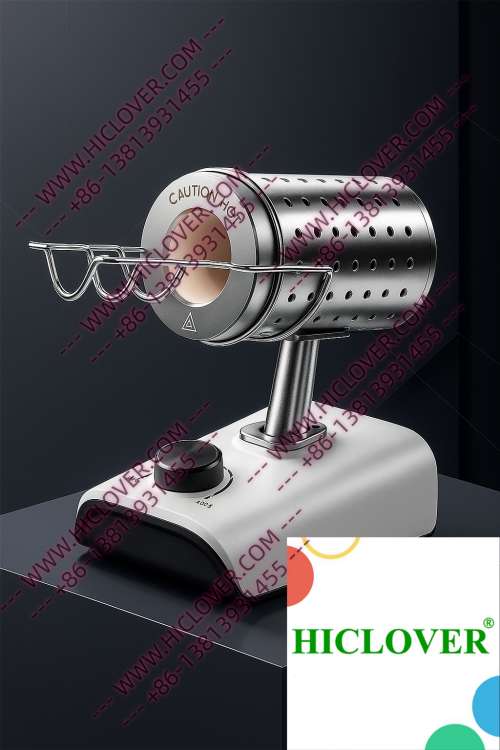
At the heart of the Micro Incinerator’s functionality is its innovative design that utilizes an enclosed ceramic heating chamber. This chamber harnesses infrared radiation to reach high temperatures necessary for effective sterilization. Unlike traditional flame-based methods, which can introduce hazardous aerosols and increase fire risks, the Micro Incinerator provides a clean-bench-safe environment for handling inoculating loops and other sensitive materials.
Applications in Real Laboratories
Micro Incinerators have found a diverse range of applications in various laboratory settings. Here are two notable scenarios:
- Biosafety Cabinets: In BSL-2 and BSL-3 laboratories, where microbial manipulation requires stringent contamination control, Micro Incinerators serve as an optimal solution. Their ability to sterilize without open flames ensures the safety of lab personnel while effectively managing biohazard waste.
- Field Testing: When conducting research in remote locations, researchers often struggle with the logistics of sterilization. The portability and ease of use of a Micro Incinerator empower field testing teams to ensure safe sample handling without the need for conventional flame methods, simplifying equipment transport and minimizing risk.
- What is a Micro Incinerator used for?
Micro Incinerators are primarily used for sterilizing inoculating loops, needles, and other lab instruments without the risks associated with open flames. - How does the Micro Incinerator comply with WHO standards?
It adheres to WHO biosafety recommendations by eliminating aerosol generation and providing rapid and efficient sterilization. - Can Micro Incinerators be used in field studies?
Yes, their portable design allows users to perform sterilization in remote locations while maintaining safe handling protocols. - What are the key advantages over traditional flame sterilizers?
Key advantages include increased safety, reduced contamination, environmental sustainability, and efficiency in sterilization. - How easy is it to operate a Micro Incinerator?
The device is designed for user-friendly operation, making it accessible even in fast-paced or educational environments.
Compliance with Biosafety Standards
Ensuring compliance with international biosafety and sterilization standards is crucial in any laboratory operation. The World Health Organization (WHO) guidelines outline the necessity for safe sterilization practices, particularly in clinical diagnostics and research environments. Utilizing a Micro Incinerator aligns seamlessly with these standards, as it eliminates the risks associated with open flames in clean rooms.
Traditional burners can lead to contamination through soot deposits and are not suitable for cleanroom environments. The Micro Incinerator’s rapid thermal sterilization helps maintain sterile conditions, supporting laboratories in meeting or exceeding compliance requirements.
Advantages of Micro Incinerators Over Flame Sterilizers
When comparing Micro Incinerators with traditional flame sterilizers, several advantages stand out. Here’s a summary of these benefits:
| Features | Micro Incinerator | Flame Sterilizers |
|---|---|---|
| Safety in Use | Flame-free operation decreasing fire risks | Open flames can lead to hazards |
| Efficiency | Rapid thermal sterilization | Longer heating times |
| Contamination Control | Aerosol-free handling | Potential for aerosol generation |
| Environmental Impact | Reduced carbon footprint | Higher emissions |
Potential Impact on Uganda’s Health Sector
In Uganda, the introduction of Micro Incinerators can significantly bolster environmental protection efforts while promoting health sector advancements. By providing accessible and safe sterilization methods, healthcare workers can better manage waste, reduce contamination risks, and enhance laboratory efficiency. This empowers local communities, leading to improved health outcomes and creating a ripple effect toward sustainable practices in the region.
FAQs on Micro Incinerators
Conclusion
As laboratories and healthcare facilities in Uganda continue to strive for enhanced biosafety standards and innovative environmental practices, the Micro Incinerator stands out as a vital tool. By seamlessly integrating into sterilization workflows, this technology fosters responsible waste management and overall public health improvements. Interested parties—including laboratory supply distributors, hospitals, and universities—are encouraged to explore the benefits of the Micro Incinerator. Contact us today to learn more about this game-changing technology and how it can transform your sterilization processes.
Categories:
Tags: