
In the realm of laboratory biosafety, especially in Tanzania’s evolving research landscape, the challenges of sterilization are both critical and complex. Laboratories frequently struggle with the need for effective contamination control while maintaining compliance with stringent guidelines. Traditional methods, such as alcohol lamps and Bunsen burners, often fall short due to safety concerns and inefficiencies in workflow. With the advent of Micro Incinerators, particularly Infrared Inoculating Loop Sterilizers, laboratories can reinvent their approaches to rapid thermal sterilization, ensuring both safety and efficacy in their operations.
Understanding Micro Incinerators
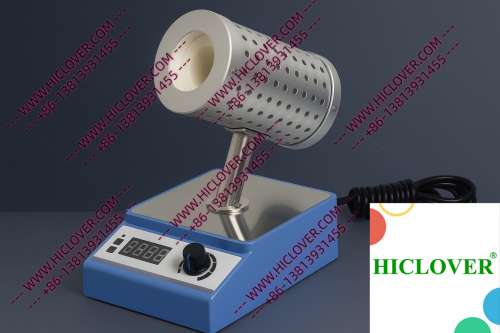
The Micro Incinerator, or Infrared Inoculating Loop Sterilizer, effectively employs the principle of infrared heat along with an enclosed ceramic heating chamber. This innovative technology allows for high-temperature disinfection without the risks associated with open flames. Patients and laboratory personnel alike benefit from an enhanced sterilization workflow that mitigates the risks of aerosolization and contamination. Simple yet effective, these units are designed to reach operational temperatures within seconds, drastically reducing the time often spent during routine sterilization tasks.
Technical Principles of Operation
At the heart of the Micro Incinerator’s technology is an infrared heating element that emits high-temperature energy to sterilize inoculating loops and other laboratory instruments. The enclosed ceramic tube efficiently retains heat, generating a stable and uniform temperature that destroys pathogens in seconds. Compared to traditional flame sterilizers, this method eliminates the exposure to harmful fumes and reduces the risk of fire hazards, making it the safest choice for laboratory settings.
Applications in Real Labs
1. BSL-2 Microbiology Lab
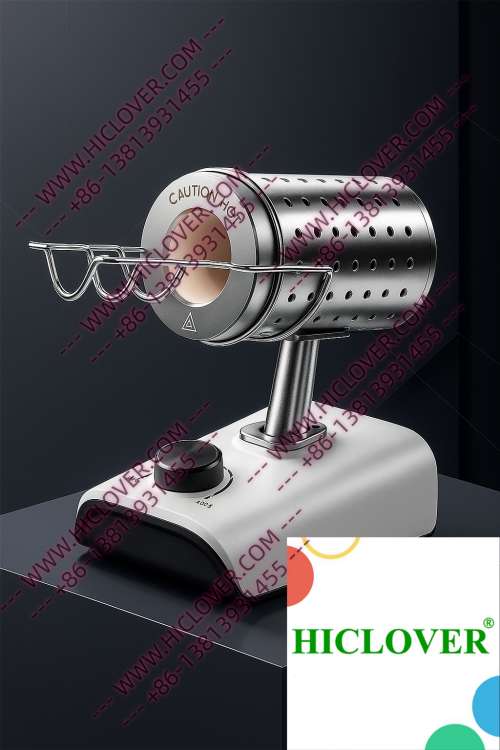
In BSL-2 microbiology labs, where infectious agents may be handled, maintaining biosafety is paramount. Using Micro Incinerators allows technicians to quickly sterilize tools without worrying about the dangers posed by flames. For instance, professional microbiologists often utilize these sterilizers inside biosafety cabinets, ensuring a clean and safe working environment. The compact design enables easy integration into the lab setup, promoting efficiency during sample handling and processing.
2. Teaching Laboratories at Universities
University teaching labs, devoted to instructing the next generation of scientists, also benefit immensely from this advanced technology. With students frequently performing inoculation techniques, the use of Micro Incinerators ensures that sterilization is rapid and effective, thereby fostering an educational environment where safety is prioritized. Instructors can demonstrate techniques using these units, providing students with hands-on experience of cutting-edge sterilization technology while seamlessly maintaining compliance with lab safety standards.
Compliance with International Standards
The WHO biosafety guidelines advocate for the adoption of methods that ensure safe handling of pathogens, particularly in cleanroom settings and laboratories. The Micro Incinerator’s design aligns perfectly with these standards. Here are a few key points about its compliance and environmental benefits:
- No flames in clean rooms: Ensures no ignition source, reducing fire hazards.
- Aerosol-free handling: Minimizes contamination and preserves a sterile workspace.
- Rapid thermal sterilization: Meets stringent laboratory sterilization standards effectively.
Comparison: Micro Incinerator vs. Traditional Flame Burners
| Feature | Micro Incinerator | Flame Burners |
|---|---|---|
| Temperature Control | Instant and adjustable | Variable, requires skill |
| Safety | No open flame, low risk | Open flame, high risk |
| Efficiency | Rapid disinfection | Slower, requires more monitoring |
| Environmental Compliance | Meets WHO standards | Potential non-compliance |
Frequently Asked Questions
- How does a micro incinerator work? The device uses infrared heat in a ceramic tube to sterilize instruments rapidly without flames.
- What makes micro incinerators safer than traditional sterilizers? They eliminate the risks associated with open flames and aerosol creation, making them ideal for sensitive labs.
- Where can I buy a Micro Incinerator in Tanzania? Numerous suppliers in Tanzania specialize in laboratory equipment, providing access to this cutting-edge technology.
- Are micro incinerators compliant with international safety standards? Yes, they adhere to WHO biosafety guidelines and are designed to meet rigorous lab sterilization standards.
- What are the benefits of using a micro incinerator in a teaching lab? They improve safety, enable rapid sterilization, and enhance the educational experience by demonstrating modern technology.
Conclusion
Micro Incinerators are revolutionizing laboratory sterilization in Tanzania, providing a safer, more efficient alternative to traditional flame sterilizers. Their ability to meet rigorous biosafety standards while enhancing workflow makes them a crucial addition to both research centers and educational laboratories. For laboratories looking to upgrade their sterilization techniques and improve safety protocols, investing in Micro Incinerators is a wise choice.
To learn more about how Micro Incinerators can benefit your laboratory, or to make a purchase, please contact us. Join the movement towards a healthier future through innovative technology!
Categories:
Tags: