
In Thailand, the quest for effective biosafety management in laboratories is heightened by challenges associated with sterilization workflows. This is particularly true within BSL-2 and BSL-3 microbiology labs, where the risk of contamination can have dire consequences. Reliance on traditional sterilization methods, such as alcohol lamps and Bunsen burners, poses not only safety hazards but also challenges in achieving the high standards set by contemporary laboratory regulations. The introduction of Micro Incinerators, specifically the Infrared Inoculating Loop Sterilizer, offers groundbreaking solutions to enhance laboratory safety and efficiency.
Understanding the Technical Principles of Micro Incinerators
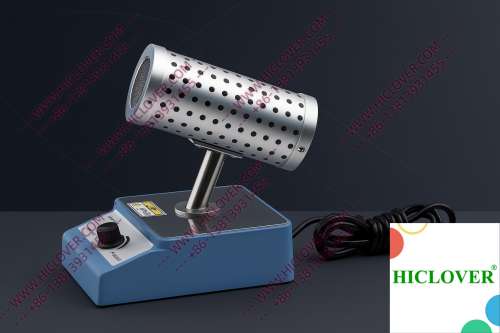
The Micro Incinerator operates on a highly effective thermal sterilization principle that utilizes infrared heat. Unlike traditional flame sterilizers, which can pose risks in clean rooms and create hazardous aerosols, the Micro Incinerator utilizes an enclosed ceramic tube that rapidly reaches high temperatures. This system provides a clean and efficient method for sterilizing inoculating loops and other laboratory accessories.
The enclosed heating chamber ensures that the sterilization process minimizes heat loss, making it not only more effective but also energy-efficient. With a temperature range that can exceed 800 degrees Celsius, this device promises rapid thermal sterilization, achieving disinfection without aerosol production, leading to a safer working environment.
Applications of Micro Incinerators in Various Laboratory Settings
The versatile design and operational efficiency of Micro Incinerators render them suitable for various application scenarios:
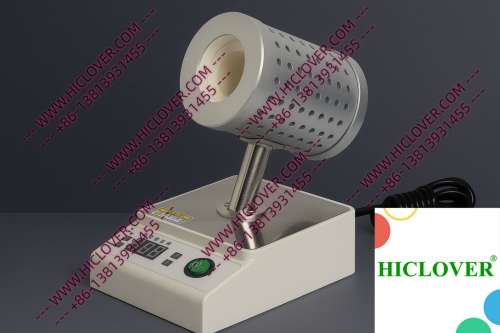
- Biosafety Cabinets: In clinical diagnostics or microbiology laboratories, the Micro Incinerator can be seamlessly integrated into biosafety cabinets. Its compact size allows it to fit comfortably within the workspace, enabling researchers to efficiently sterilize tools while maintaining a clean environment free from contamination.
- Field Testing Laboratories: In mobile laboratories, particularly in remote areas of Thailand, the reliability of a Micro Incinerator is indispensable. These units provide on-the-spot sterilization capabilities without the need for large gas supplies, ensuring that critical testing can continue uninterrupted, even in challenging conditions.
- University Teaching Labs: For academic institutions, incorporating Micro Incinerators in teaching labs enhances educational experiences. Students can observe the sterile inoculation methods while learning about biosafety and contamination control practices in real-time.
Compliance with Biosafety Standards and Environment Concerns
Adherence to biosafety standards set by organizations such as the WHO is paramount in laboratory settings. The Micro Incinerator aligns with these standards, providing a no-flame solution ideal for environments requiring strict contamination control. Traditional flame sterilizers can compromise lab integrity, especially in clean rooms where aerosol production must be minimized. The integration of Micro Incinerators in these facilities not only meets international protocols but also enhances overall safety and environmental compliance.
In Thailand, the push towards environmentally friendly practices is continuous. The Micro Incinerator’s design minimizes unnecessary emissions, making it a responsible choice aligned with local sustainability goals. By promoting the use of such cutting-edge technologies, laboratories contribute to the betterment of the community and the environment.
Comparison: Micro Incinerators vs. Traditional Flame Burners
| Feature | Micro Incinerator | Flame Burner |
|---|---|---|
| Heating Method | Infrared Heating | Open Flame |
| Safety | Enclosed, aerosol-free | Risk of burns, aerosol generation |
| Energy Efficiency | High | Variable |
| Speed of Sterilization | Rapid | Variable |
| Environmental Compliance | Yes | No |
Frequently Asked Questions about Micro Incinerators
- What is the working principle of a Micro Incinerator?
The Micro Incinerator utilizes infrared heat within an enclosed ceramic tube to achieve rapid thermal sterilization, ensuring contamination-free operations without aerosol production. - How does the Micro Incinerator enhance laboratory safety?
By preventing open flames, it minimizes risks of burns and contamination, making it a safer choice for both clinical and educational environments. - Is it compliant with WHO biosafety standards?
Yes, the Micro Incinerator is designed to meet international biosafety protocols, thus ensuring safe sterilization practices in laboratories. - Can it be used for mobile or field testing?
The compact design and no requirement for gas supplies make it ideal for field testing scenarios, especially in remote locations. - How does it compare to traditional sterilization methods?
Micro Incinerators provide faster, cleaner, and more environmentally friendly sterilization solutions compared to traditional flame burners.
Conclusion
In the effort to empower communities in Thailand, implementing Micro Incinerators in laboratory settings is a game-changer. With significant benefits in safety, efficiency, and compliance, these innovative sterilization solutions enable laboratories to operate at peak performance while ensuring the highest biosafety standards. For distributors, hospitals, and educational institutions, investing in Micro Incinerators is not just an upgrade—it’s a step towards a safer, cleaner future. Contact us today to explore how our Micro Incinerators can elevate your laboratory operations.
Categories:
Tags: