
As the healthcare sector evolves, enhancing patient safety through effective sterilization methods has become more crucial than ever. In Gaborone, hospitals are now prioritizing sterilization workflows that mitigate biosafety challenges, especially in the laboratory environment. The introduction of Micro Incinerators and Infrared Inoculating Loop Sterilizers is transforming lab sterilization practices, ensuring high standards of contamination control without compromising safety or efficiency.
The Practical Lab Biosafety Challenges
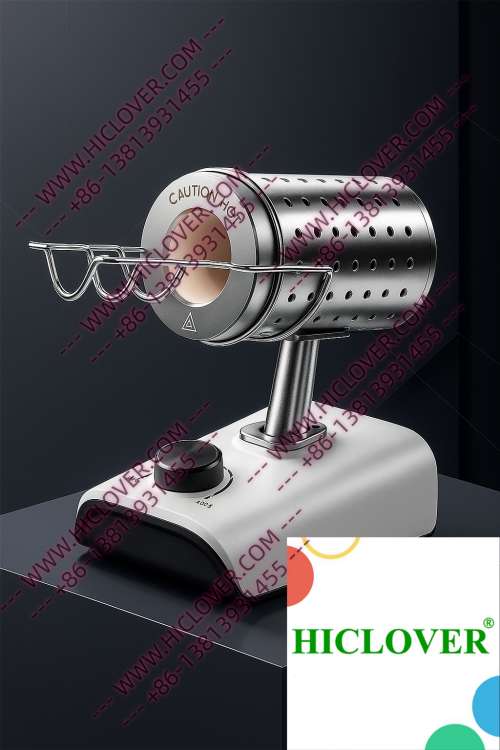
Laboratories, especially those operating in BSL-2 and BSL-3 environments, face significant biosafety challenges, primarily concerning the rapid thermal sterilization of laboratory equipment. Traditional flame sterilizers, such as alcohol lamps and Bunsen burners, often introduce risks associated with open flames, including fires and the release of aerosols. These issues are not merely theoretical; they can have real consequences on laboratory surroundings and patient safety.
With the increasing demand for sterile environments, Gaborone hospitals are adopting enclosed systems like the Micro Incinerator that utilize infrared heat for effective disinfection. This method allows for the quick and efficient sterilization of inoculating loops and other laboratory tools, safeguarding both staff and patient health.
Technical Principles of Infrared Inoculating Loop Sterilizers
The Micro Incinerator operates on a straightforward yet advanced technical principle: infrared heat generated within an enclosed ceramic tube. This ceramic heating chamber produces targeted high temperatures to ensure rapid sterilization while preventing the dispersion of contaminants into the surrounding environment.
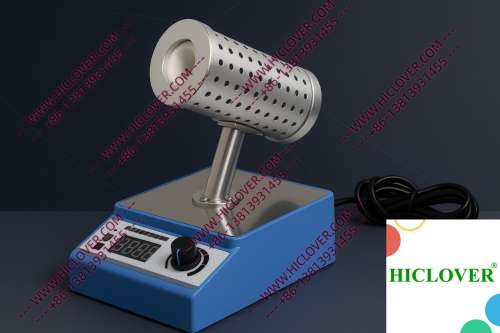
Compared to traditional flame methods, this design eliminates the need for hazardous materials, such as alcohol, and creates an aerosol-free handling experience. Infrared sterilizers are not only more efficient but also safer, offering a reliable solution for laboratories seeking to enhance their sterilization workflows.
Application Scenarios in Diverse Laboratories
- Biosafety Cabinet Operations: In research labs utilizing biosafety cabinets, Micro Incinerators enhance the sterilization process for loops and tools used in culturing infectious agents. The enclosed design ensures that no harmful aerosols are released, aligning perfectly with sterile techniques mandated in such controlled environments.
- Field Testing Labs: In mobile or field testing situations, where accessibility to traditional sterile equipment can be limited, portable infrared inoculating loop sterilizers ensure continuous sterilization. Field microbiologists can rely on this technology for rapid thermal sterilization, thereby enhancing biosafety even in unconventional settings.
Compliance with International Standards
Gaborone hospitals must adhere to WHO biosafety guidelines as well as laboratory sterilization standards. The introduction of infrared inoculating loop sterilizers aligns with these guidelines, particularly in scenarios where open flames are a potential hazard. These sterilizers maintain compliance with clean-room operations that forbid the use of flames, reinforcing the imperative of contamination control in health laboratories.
The Micro Incinerator also meets stringent sterilization protocols that are necessary for handling specimens in diagnostics, making it an ideal choice for clinical diagnostics labs.
Comparison of Micro Incinerators and Traditional Flame Burners
| Feature | Micro Incinerator | Flame Burners |
|---|---|---|
| Heat Source | Infrared | Open Flame |
| Aerosol-Free Handling | Yes | No |
| Temperature Consistency | High & Stable | Variable |
| Safety Risk | Low | High |
| Ease of Use | Simple & Portable | Requires Skill |
FAQs
- What are the main benefits of using a Micro Incinerator over traditional sterilizers?
The Micro Incinerator offers rapid thermal sterilization, improved safety with no open flame, and operates in an aerosol-free manner, which is crucial for maintaining sterile conditions. - Can Micro Incinerators be used in mobile laboratories?
Yes, their compact design and efficient operation make them suitable for field testing labs requiring portable sterilization solutions. - Are Micro Incinerators compliant with WHO biosafety standards?
Absolutely! They are designed to meet stringent international lab sterilization standards ensuring safety in clinical environments. - How does infrared heat sterilization compare to flame methods in terms of efficiency?
Infrared heat provides a more consistent and controlled sterilization process, reducing the time needed for effective disinfection compared to flame methods. - What types of laboratories should consider investing in Micro Incinerators?
Micro Incinerators are ideal for clinical diagnostics, university teaching labs, and any BSL-2 or BSL-3 facility looking to enhance patient safety through better sterilization practices.
Conclusion
Adopting Micro Incinerators and Infrared Inoculating Loop Sterilizers in Gaborone hospitals signifies a pivotal shift in laboratory sterilization practices, focused on enhancing patient safety and compliance with international standards. By moving away from dangerous open flames and embracing technology that offers consistent, rapid thermal sterilization, hospitals can ensure that their sterilization workflows are both efficient and safe.
For laboratory supply distributors, hospitals, and research centers considering upgrades to their sterilization equipment, the Micro Incinerator represents not just a product choice but a commitment to superior biosafety standards and enhanced clinical outcomes. Contact us today to learn more about integrating this essential equipment into your laboratory operations.
Categories:
Tags: